The right quartz slab is the one that matches your style, your budget, and your daily usage needs. That's the whole answer. Everything else is just working out the details.
When you choose the right quartz slab, you'll judge every option through three lenses: looks, lifestyle, and cost. According to the Houzz 2026 U.S. Kitchen Trends Report, 32% of qualifying kitchen renovators chose engineered-quartz countertops, so you're in good company. Still, you need to choose the right quartz slab for your home, not someone else's.
Don't worry about jargon. We'll walk you through quartz slabs step by step, in plain language. By the end, that slab showroom won't feel overwhelming at all.
Key Takeaways
-
Set your budget before you shop for quartz slabs.
-
Choose a color and finish that match your kitchen cabinets and lighting.
-
Quartz resists stains and needs no sealing, but avoid hot pans directly on it.
-
Compare quartz prices and certifications to get the best value.
-
Follow a simple buying timeline: browse, visit a showroom, get a quote, template, and install.
Quartz Countertops Basics
What Quartz Is
Quartz countertops start as engineered stone, not a chunk of rock cut from a mountain. Manufacturers crush natural quartz crystals into grit and powder. That crushed quartz makes up roughly 90 to 93 percent of the slab by weight. A polyester resin binder holds it all together, along with pigments that create the color and pattern.
The factory process matters. Workers blend the mix, pour it into molds, then compact it under vacuum with vibration. This step squeezes out air pockets. The slab then cures in a kiln and gets ground and polished to a smooth finish. The result is a dense, uniform slab with virtually no porosity. That is why quartz surfaces and countertops look so consistent from edge to edge.

Kitchen Benefits
A nonporous surface is the headline benefit. Liquids cannot soak in, so coffee, wine, and oil sit on top instead of staining below. You never need to seal quartz in the kitchen, unlike granite or marble. Routine cleaning with mild soap and water does the job.
Durability holds up well too. Quartz resists scratches and chips, and it handles heat up to 400°F. It will not warp or crack with proper care, so it lasts for decades. The surface also discourages bacteria, mold, and mildew growth, which helps households with kids or allergy concerns.
Low maintenance makes these countertops a practical pick for busy families. You skip the yearly sealing routine and the special cleaners. Just wipe up spills and move on. Reputable quartz slab suppliers, such as MRD STONE, build their slabs to meet these same standards, so quality stays consistent from batch to batch. Explore the quartz slab collection to compare available colors and designs.
How to Choose the Right Quartz Slab
Start with money, not color. Set a budget-appropriate cost range before you fall for a pattern. Ask your fabricator for a rough installed price per square foot, then shop inside that number. This order keeps you from loving a slab you cannot afford. Once the range feels comfortable, explore colors and compare options with a clear head.
Color, Pattern, and Finish
White and gray dominate real kitchens for good reason. White quartz that looks like marble with modest veining suits almost any cabinet color. Gray quartz reads calm and modern. Here are a few popular directions:
|
Quartz Color |
Dominant Tone |
Pattern / Veining |
Style Impression |
|---|---|---|---|
|
Alabaster White |
Pure white |
Minimal veining |
Timeless, versatile, clean |
|
Calacatta Ida |
White |
Soft cloudy gray veins |
Airy, calm, sophisticated |
|
Statuario Nuvo |
Bright white |
Dramatic gray veining |
Luxurious, high-end |
|
Alpine Mist |
Soft gray with white speckles |
Marble-inspired speckling |
Sophisticated, modern, serene |
|
Bianco Drift |
Light gray |
Soft flowing waves |
Elegant, relaxed |
|
Fresh Concrete |
Soft gray |
Concrete-look |
Industrial chic, modern |
Finish changes everything about upkeep. Consider this:
Polished quartz offers a glossy, mirror-like sheen that enhances color and depth, with excellent stain resistance and easy wipe-down cleaning — though it can show fingerprints and streaks more readily, especially in darker hues. Honed (matte) quartz diffuses light for a soft, contemporary look, hides oil spots and fingerprints better on darker slabs, but may require more frequent cleaning, while retaining full durability, non-porosity, and stain resistance.
Thickness and Edge Style
Standard thickness recommended for kitchen counters is 1 1/4 inches, which equals 3cm. You will also see 1/2-inch, 3/4-inch, and 1 1/2-inch quartz slabs on the market. The 3/4-inch (2cm) option works well for bathroom vanities and vertical panels. The 3cm slab supports a kitchen island overhang without plywood underneath. Select the right thickness based on where the piece goes and how much weight it must carry.
Edge style shapes both the look and the bill. A typical kitchen has 25–40 linear feet of countertop edge, so small per-foot differences add up fast.
|
Edge Profile |
Typical Upcharge (per linear foot) |
Complexity |
|---|---|---|
|
Eased |
$0 (standard) |
Low |
|
Beveled |
$0–$5 |
Low |
|
Half bullnose |
$0–$8 |
Low |
|
Full bullnose |
$5–$15 |
Medium |
|
Ogee |
$10–$20 |
Medium-High |
|
Waterfall (mitered) |
$25–$60+ |
High |
An eased edge usually costs nothing extra. A decorative ogee or dupont profile adds about $10–$30 per linear foot. A waterfall edge can add $1,000–$2,500 to a standard kitchen job on its own. Weigh that against your quartz countertops cost total before you commit.
Matching Quartz to Your Kitchen
Cabinets, Lighting, and Theme
Your cabinet color sets the temperature of the room, and your bulbs decide how that temperature reads. Warm bulbs in the 2700K–3000K range pull out gold and taupe veining, while cool bulbs at 3500K–4100K make whites and grays look crisper. A quartz countertop with warm veining can shift noticeably between the two. Check the CRI of your planned bulbs too. A rating of 90 or higher keeps veining and paint tones true to life.
|
Cabinet Color |
Best Quartz Direction |
|---|---|
|
Warm White / Cream |
Warm white with gold or taupe veining |
|
Cool / Bright White |
Crisp white with gray or charcoal veining |
|
Honey Oak / Natural Wood |
Warm white or soft beige, minimal pattern |
|
Navy Blue |
Clean white with subtle gray veining |
|
Charcoal / Black |
White or light gray for contrast |
Design theme narrows the field further. Modern kitchens suit matte finishes and bold dark hues. Traditional spaces favor marble-look quartz. Transitional kitchens use quartz as the modern element that balances hardwood floors and brass accents.
Comparing Samples at Home
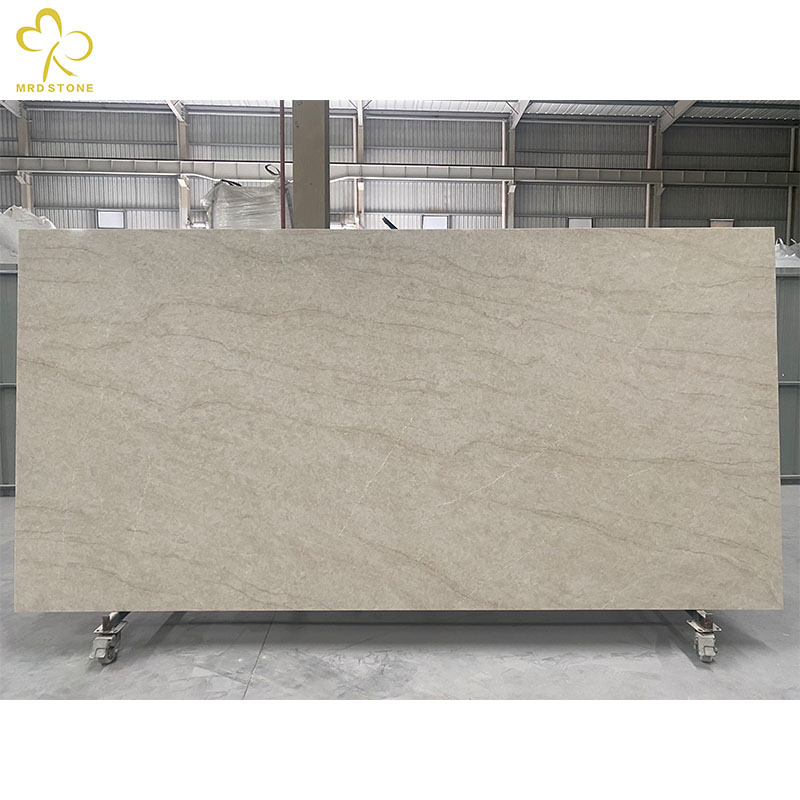
Small chips look lighter and calmer than a full slab, which runs about 55x120 inches. Expect your finished counters to read a shade darker and any pattern to feel more present. Set samples against your cabinet doors, backsplash tile, and flooring under morning, afternoon, and evening light. Morning light is often the least flattering, so treat it as your toughest test.
Photos mislead, especially with textured finishes. If finish matters, ask for a physical sample in the exact color. Then visit a showroom with photos of your space. Consultants there can answer questions and help you narrow the options. Suppliers like MRD STONE also publish their quartz slabs and colors online, which gives you a head start before you walk in. Browse the Calacatta quartz collection to compare marble-inspired veining and finishes.
Practical Tips for Kitchen Countertops
Durability, Maintenance, and Cost
Quartz earns its reputation honestly, but it has limits you should know before you buy. The table below lays out the real trade-offs.
|
Dimension |
Pros |
Cons |
|---|---|---|
|
Durability |
One of the hardest minerals; flex-resistant and less prone to chipping than natural stone; resists scratches and stains; lasts decades |
Can chip under heavy impact, especially at edges; sensitive to thermal shock above 300°F; resin may yellow under prolonged UV exposure, so keep it indoors |
|
Maintenance |
Nonporous and stain resistant; spills wipe away with a damp cloth; no sealing, waxing, or buffing ever |
Visible seams possible in large installations; dark liquids like wine or turmeric can leave marks if left to dry |
|
Cost |
Higher upfront price is offset by eliminated annual sealing and restoration costs; adds resale value |
Higher initial installation cost than laminate, tile, or entry-level granite |
On price, quartz holds its own. The commercial median for engineered quartz sits at $51/SF, below granite at $56.25/SF and just under marble at $51.75/SF. That gap matters on big jobs. A 10,000 SF project saves roughly $52,500 in material costs versus granite. Budget-tier quartz at $16.84/SF also undercuts granite's low end of $20.3/SF.
"Quartz countertops cost is more expensive to install upfront compared to laminate, tile, or entry-level granite. But you want to look at this from a long term value standpoint. Considering the lack of costly annual sealants and its extreme resistance to chips and stains, quartz more than pays for itself over its lifetime in the 'saved' maintenance costs."
Quartz Countertops Buying Guide and Timeline
Cost, fabrication, and installation planning all shape your final budget and schedule. Follow this simple quartz countertops buying guide and timeline:
-
Browse styles and colors that suit your space, then save your top picks.
-
Visit a showroom and view your selections up close in the slab gallery.
-
Engage a fabricator for a quote, and confirm your slabs come from the same production lot so colors match.
-
Schedule professional templating. Never skip this step, because precise measurements prevent costly mistakes.
-
Prepare the site: clear kitchen counters, protect floors, and verify cabinets are level and sound.
-
Book installation, which typically takes 1–2 days. Add extra support for overhangs beyond 10 inches.
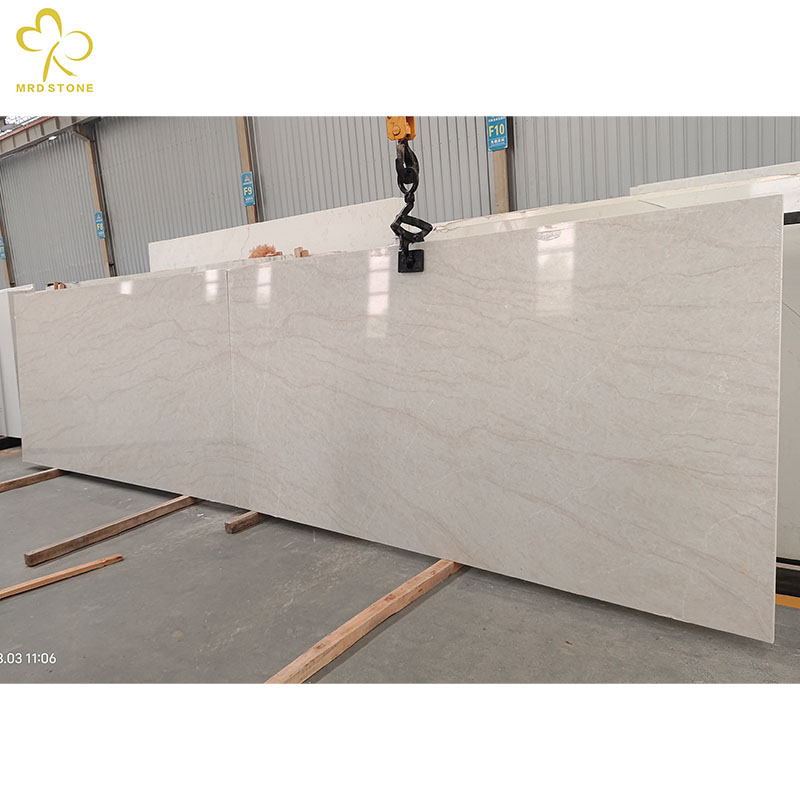
Vet your quartz slab supplier before you commit. Look for ISO9001 for quality management, NSF (ANSI 51) for food safety, BV for factory strength, and SGS for global audits. MRD STONE, a quartz slab supplier with global export experience, holds these certifications, which makes it a useful benchmark when you compare vendors. A reliable supplier also helps you match slab size and colors across a large kitchen. Take your time here, and your kitchen countertops will reward you for years. Learn more about Calacatta white quartz countertops and available surface options.
Three tests decide every slab: style, budget, and daily usage. Run each option through all three, and you will choose the right quartz slab without second-guessing yourself.
Now move from browsing to action. Order physical samples from a quartz slab supplier like MRD STONE, talk to a fabricator, and compare quotes using the buying timeline above. A little preparation makes this countertop decision feel calm, and you will choose the right quartz slab with confidence. Your new kitchen countertops will thank you. Compare options in the artificial stone kitchen countertop slab collection.
FAQ
Do quartz countertops need sealing?
No. Quartz is nonporous, so you never seal it. Wipe spills with mild soap and water and you're done. That saves you the yearly sealing routine granite and marble owners deal with.
Can I put a hot pan on quartz?
Not directly. Quartz handles heat up to 400°F, but a hot pan straight off the stove can damage the resin. Use a trivet or a cooling rack. Small habit, big payoff for your countertop.
How thick should a kitchen quartz slab be?
Most kitchens use 3cm, or about 1 1/4 inches. That thickness supports an island overhang without extra plywood. Thinner 2cm slabs suit bathroom vanities and vertical panels better. Pick thickness by where the piece goes.
How long does installation take?
Plan for 1–2 days on site. Templating comes first, and you should never skip it. Clear your counters and protect your floors beforehand. A good quartz slab supplier, like MRD STONE, helps you confirm slabs ship from one production lot so colors match.
Which certifications should I check?
Look for ISO9001 for quality management, NSF for food safety, BV for factory strength, and SGS for global audits. MRD STONE holds all four, which makes it a handy benchmark when you compare quartz slab suppliers.