In Search of Rare Treasures in Marble: Unveiling the World's Rarest Marble Colors
Introduction: When Stone Becomes Art
In the world of marble, color is not merely a visual feature, but also a storyteller of geological history and a measure of scarcity. From ancient temples to modern mansions, marble defines spatial aesthetics with its unique textures and colors. But did you know that among the many varieties of marble, some colors are so rare that they have become coveted treasures for collectors and designers?
The Formation of Marble Colors: Nature's Magical Alchemy
To understand why certain marble colors are extremely rare, we first need to explore their origins. Marble is a metamorphic rock, formed from limestone under high temperature and pressure deep within the Earth's crust. Its color depends on mineral impurities:
- White/Pure: Composed of almost pure calcite
- Blue: Usually contains graphite or specific silicate minerals
- Green: Rich in serpentine, olivine, or chlorite
- Red/Pink: Presence of iron oxides (hematite)
- Yellow/Gold: Limestone combined with iron compounds
- Black: Rich in organic materials or carbonaceous matter
Each color is a product of a precise combination of geochemical processes and geological conditions, while rare colors represent extremely special formation environments.
The World's Rarest Marble Colors
1. Blue Marble: The Blue Diamond of Geology
Rarity: ★★★★★
Blue marble is undoubtedly one of the rarest types of marble on Earth. The most famous is Blue Sasso marble, found only in specific regions of the Italian Alps. This marble exhibits deep sky-blue to grayish-blue hues with unique white veining, formed in special sedimentary environments and containing rare mineral components.
Why is it so rare? The geological conditions required for blue marble to form are extremely specific—a particular type of mineral needs to combine under precise pressure and temperature, and no other "contaminating" minerals can interfere with the blue color. Only a handful of quarries worldwide produce true blue marble, and many are depleted or subject to strict mining restrictions.
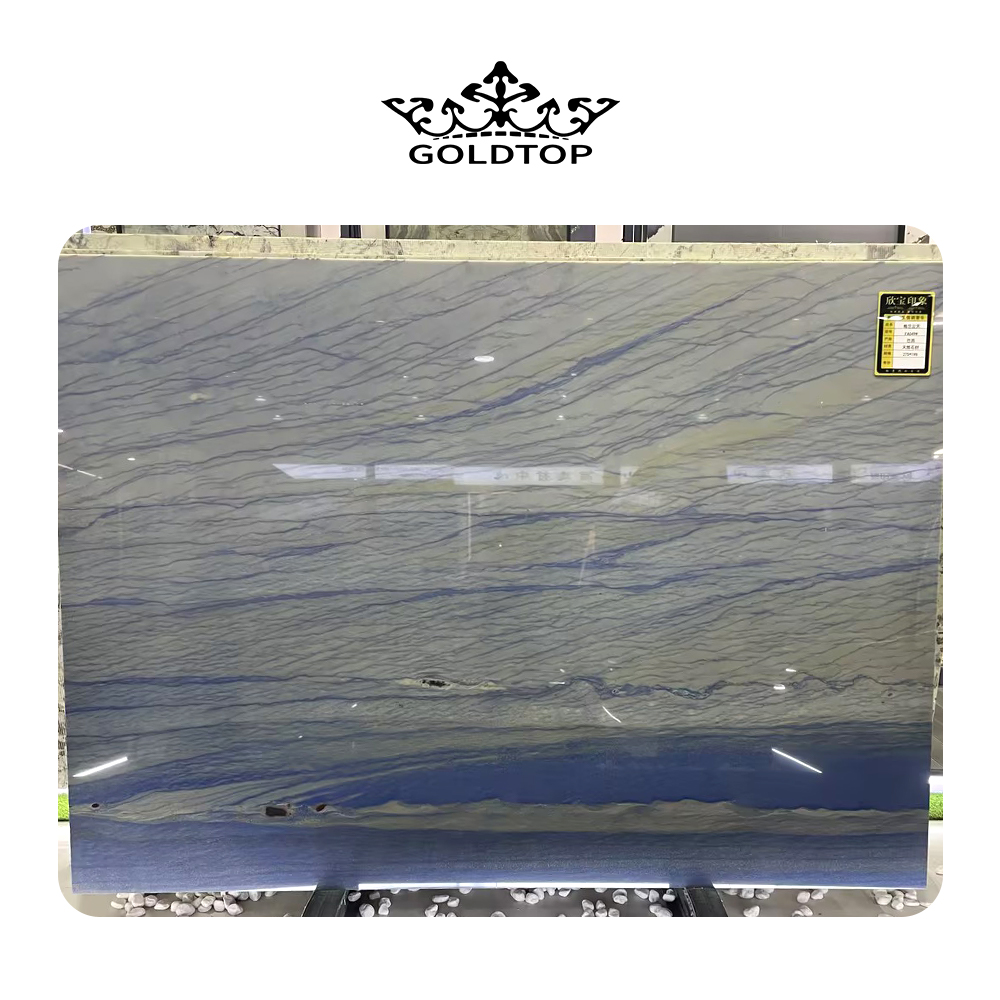
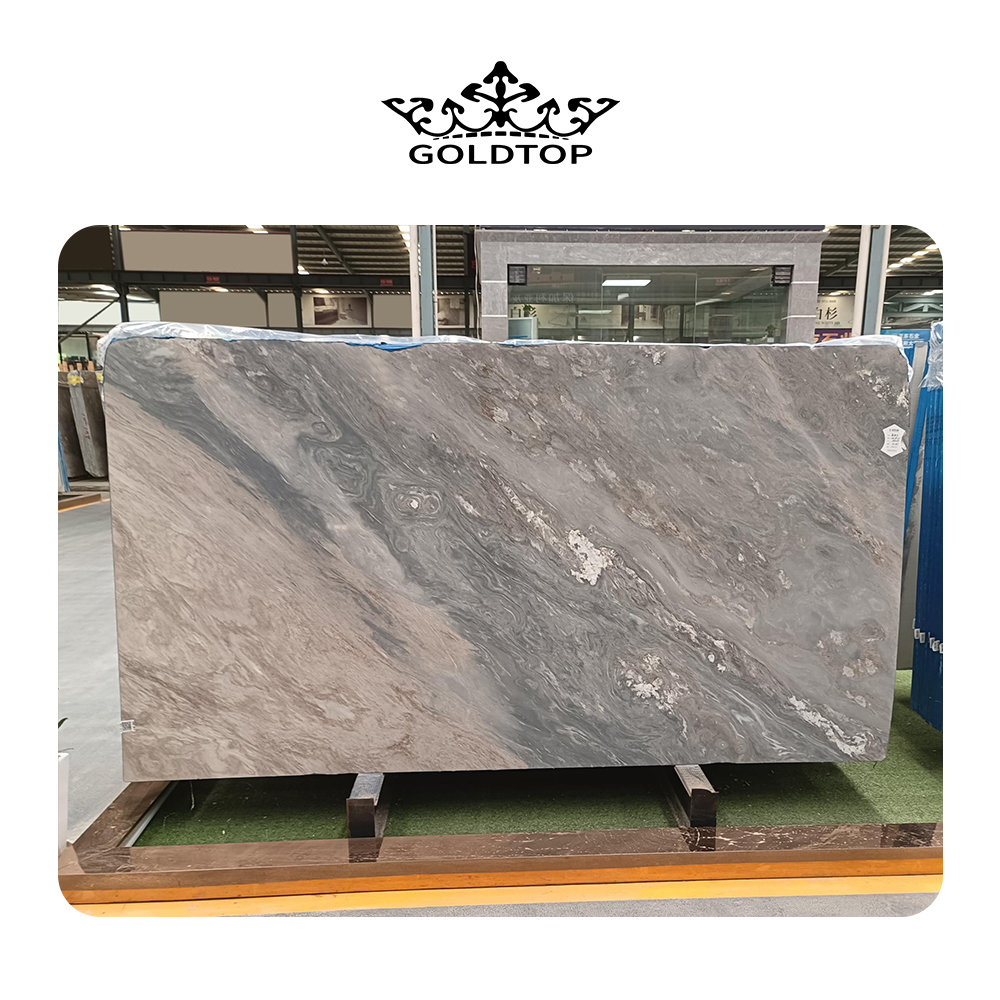
Recommend some similar marbles:
 |
 |
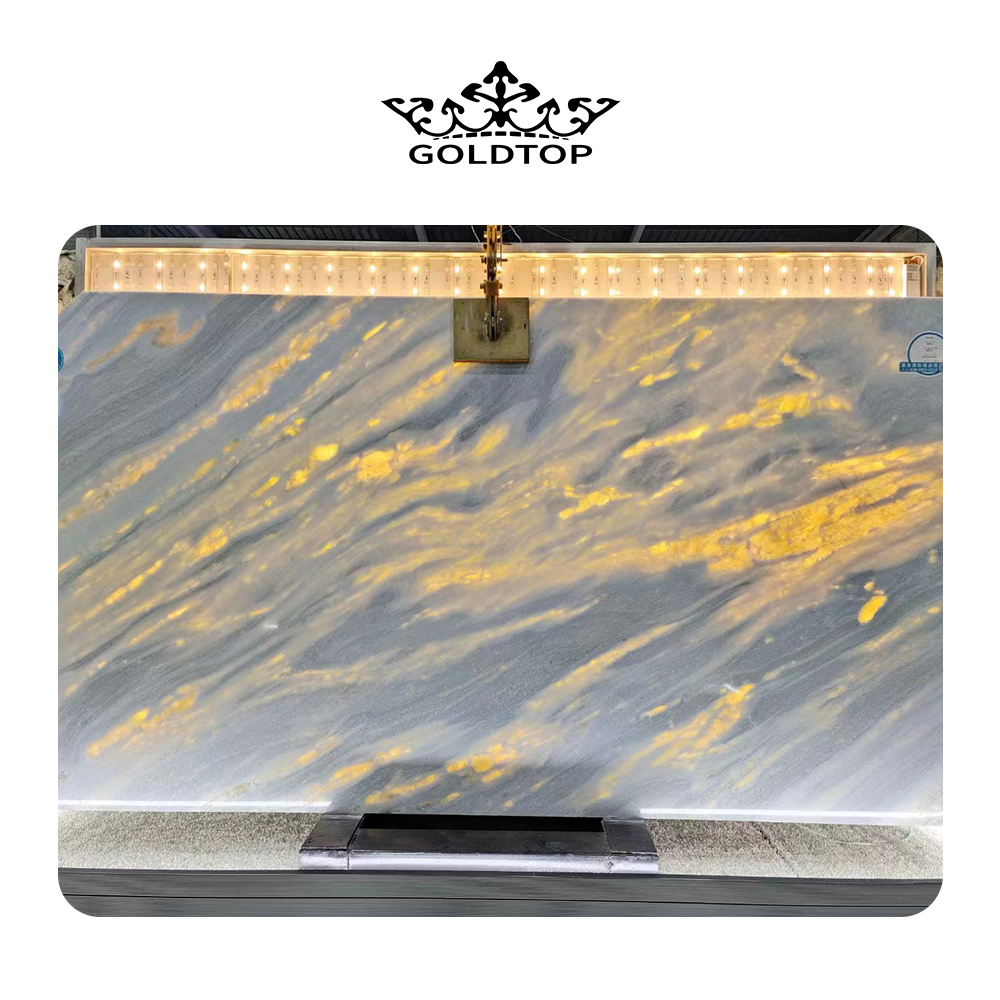 |
| Azul Blue Marble | Italy Palissandro Blue Marble | Glacier Blue Marble |
2. Vivid Green Marble: The Petrification of Forests
Rarity: ★★★★☆
Unlike common dark or light green marble, vivid green, translucent marble is extremely rare. Certain varieties of Indian green marble, especially those exhibiting apple green or emerald green, are among the most sought-after materials on the market. Pakistani green onyx marble is also highly prized for its vibrant green color and translucent texture.
Unique Value: This vivid green color is usually formed by a large amount of serpentine minerals, but extremely specific geological conditions are required for the color to be vibrant and evenly distributed. Many green marble veins are small and difficult to mine, further increasing their scarcity.
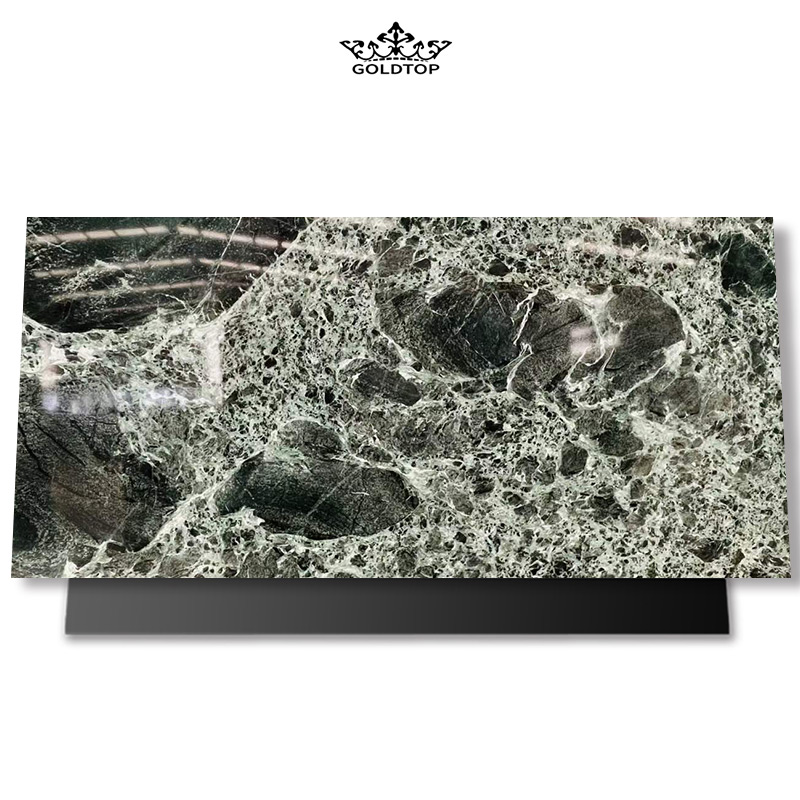
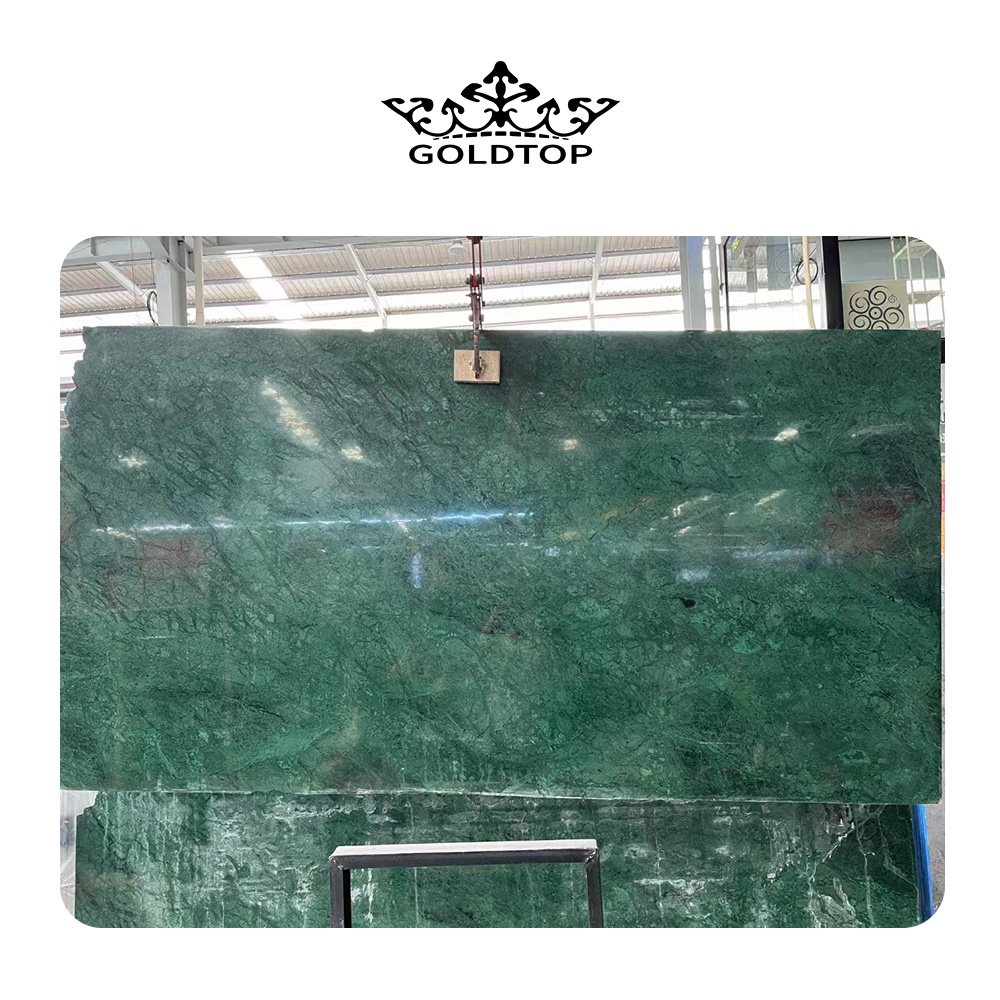
Recommend some similar marbles:
 |
 |
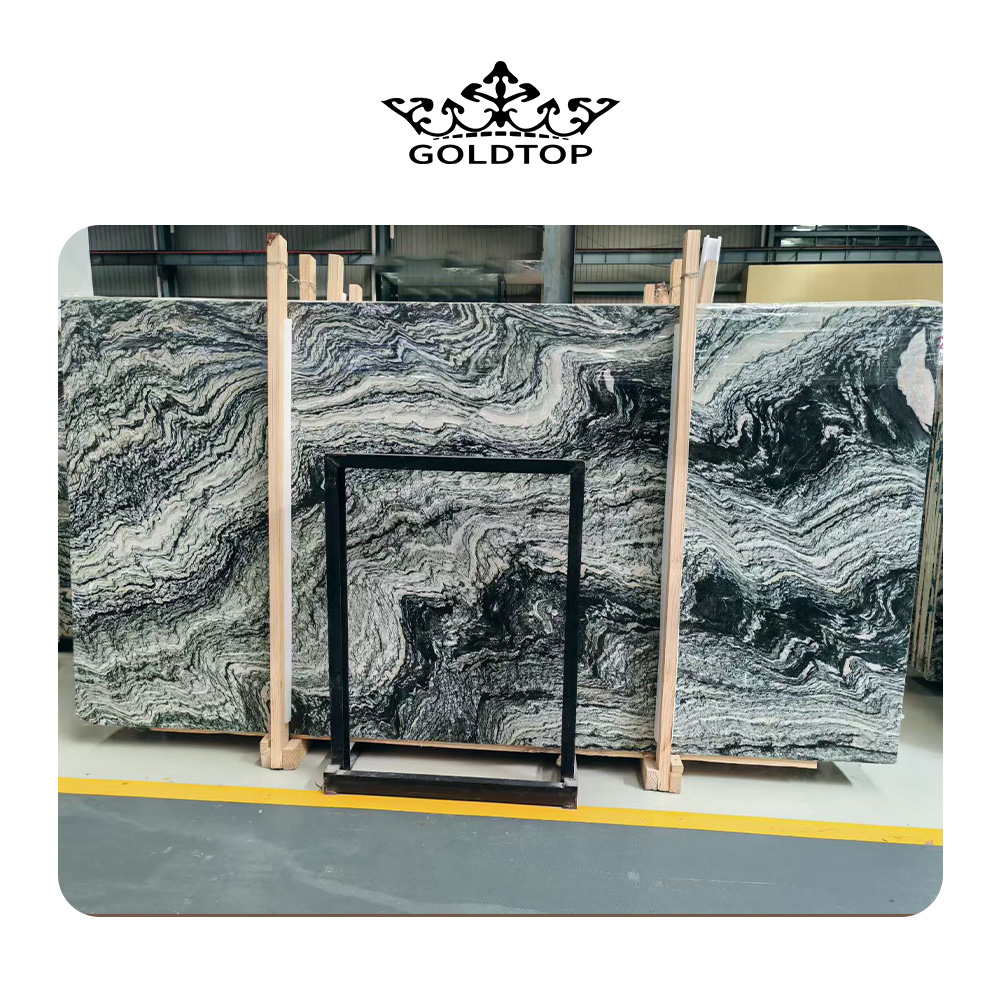 |
| Prada Green Marble | India Green Marble | Landscape Green Marble |