Does Natural Stone Fade?
A practical guide to marble, granite, and long-term color performance
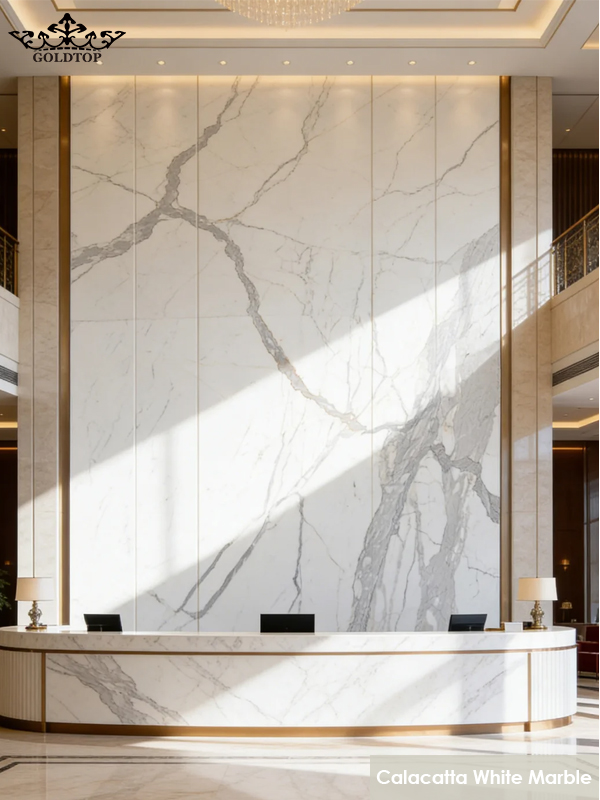
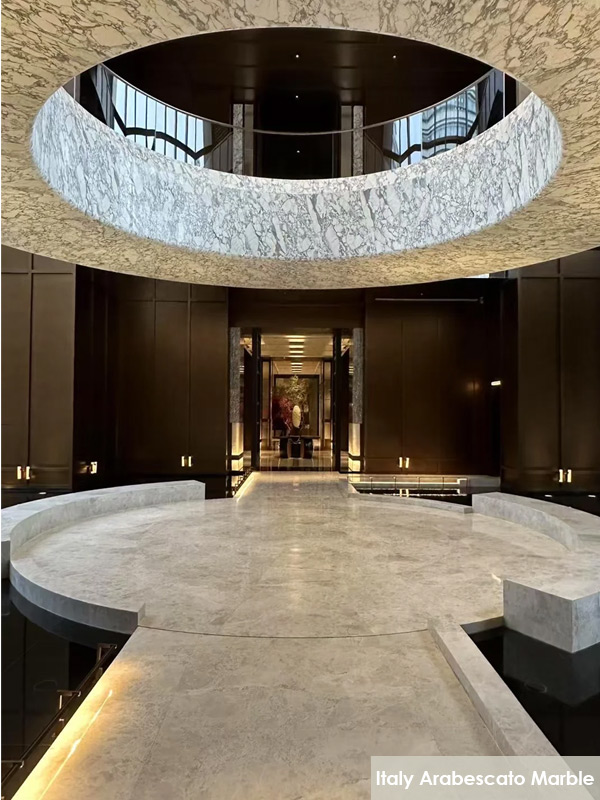
Natural stone is widely valued for its timeless beauty, but one question often comes up in both residential and commercial projects: does natural stone fade over time?
The short answer is: yes—but not all stone behaves the same, and the reasons are more complex than simple “fading.” Understanding the science behind stone composition helps explain what really happens.
Why Natural Stone Can Change Color
Natural stone is not chemically inert. Its appearance can evolve due to environmental exposure, mineral composition, and chemical reactions.
1. Marble: More Reactive, More Vulnerable
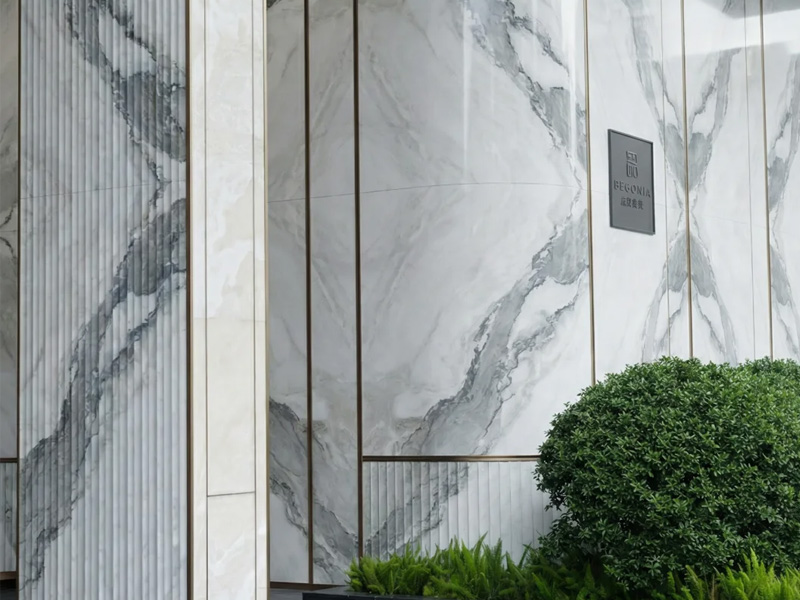
Marble is primarily composed of calcite (CaCO₃) and sometimes dolomite (CaMg(CO₃)₂). These minerals contain carbonate ions, which are relatively reactive. When exposed to air and moisture, especially in outdoor environments, marble can undergo:
● Reaction with sulfur dioxide (SO₂) in the atmosphere
→ forming gypsum (CaSO₄·2H₂O), which appears as a dull, cloudy layer on the surface
● Interaction with water
→ forming calcium bicarbonate (Ca(HCO₃)₂), which can dissolve and later recrystallize
These processes lead to:
Surface dulling→ Loss of polish→ Gradual lightening or uneven discoloration
This is why marble is generally not recommended for exterior applications. In many cases, marble used on façades may show noticeable fading or weathering within 2–3 years.
2. Granite: More Stable, But Not Immune
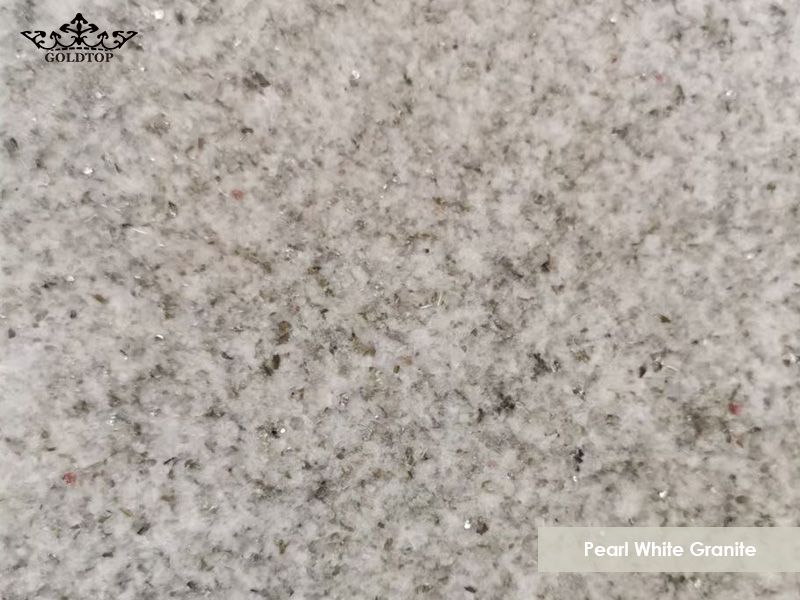
Compared to marble, granite is significantly more stable.
Granite is an igneous rock composed mainly of:
◆ Feldspar ◆ Quartz ◆ Mica ◆ Amphibole or pyroxene
These are silicate minerals, built on a strong silicon-oxygen tetrahedral structure, which gives granite:
★ High chemical stability
★ Strong resistance to acids
★ Excellent weather resistance
Because of this, granite is often described as “non-fading” in practical terms.
However, that’s not entirely absolute.
3. Long-Term Changes Still Happen
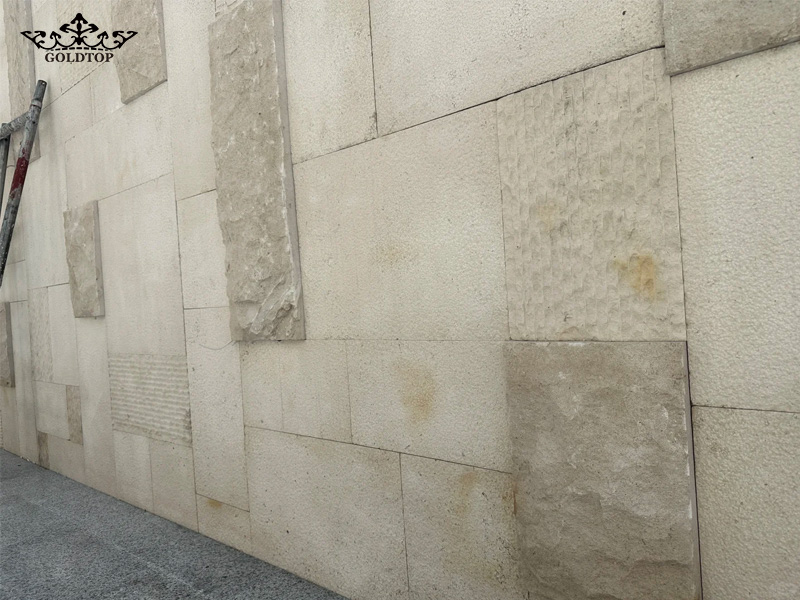
No natural material is completely immune to change—not even granite.
Over very long periods, stone can undergo:
◆ Weathering ◆ Hydrothermal alteration ◆ Mineral transformation
For example:
● Feldspar and mica can transform into kaolinite (clay minerals) or limonite
● Pyroxene may alter into epidote or chlorite
● Olivine can become serpentine or magnesite
These transformations can eventually affect color and texture.
That said:
These changes occur over extremely long geological timescales—often far beyond the lifespan of buildings or human observation.
So, Does Natural Stone Fade?
Here’s a practical summary:
| Material | Fading Risk | Main Cause | Typical Timeline |
| Marble | High | Chemical reaction & weathering | 2–3 years (outdoor visible change) |
| Granite | Low | Very slow mineral alteration | Decades to centuries |
Key Factors That Influence Fading
Regardless of stone type, several external factors accelerate visible changes:
● UV exposure (sunlight)
● Air pollution (SO₂, acid rain)
● Moisture and humidity
● Surface finish (polished vs honed)
● Maintenance and sealing
Proper sealing and maintenance can significantly slow down visible fading.
How to Minimize Fading
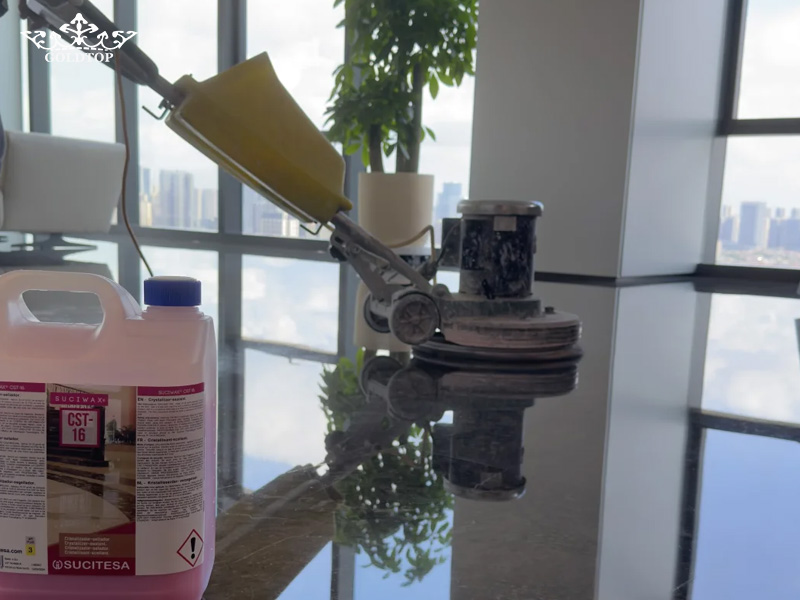
To preserve the original appearance of natural stone:
● Use marble indoors, especially for countertops, walls, and vanities
● Choose granite or quartz for exterior applications
● Apply a high-quality stone sealer
● Perform regular cleaning and maintenance
● Avoid prolonged exposure to harsh chemicals or acidic environments
FAQ
How long will marble last?
Marble can last decades or even centuries when properly maintained, especially in indoor environments. However, its surface appearance may change over time if exposed to moisture, acids, or outdoor conditions.
Does marble fade over time?
Yes. Marble can lose its polish and appear lighter or duller, especially when exposed to air pollutants, moisture, and outdoor weathering.
How often should I reseal a natural stone?
Typically, natural stone should be resealed every 6–12 months, depending on usage, exposure, and stone type. High-traffic or wet areas may require more frequent sealing.
Does marble fade in sunlight?
Yes. Prolonged exposure to UV rays and heat can accelerate surface degradation, leading to fading or discoloration—especially in outdoor or sun-exposed areas.
If you're selecting materials for a project and want long-term color stability, choosing the right stone—and using it in the right environment—is just as important as the design itself.
Explore our natural stone product range and real project case studies to see how different materials perform in actual applications. Whether you're working on residential, hospitality, or multi-family developments, our team can help you choose the most suitable solution.
Contact us today for material recommendations, free samples, and project support.