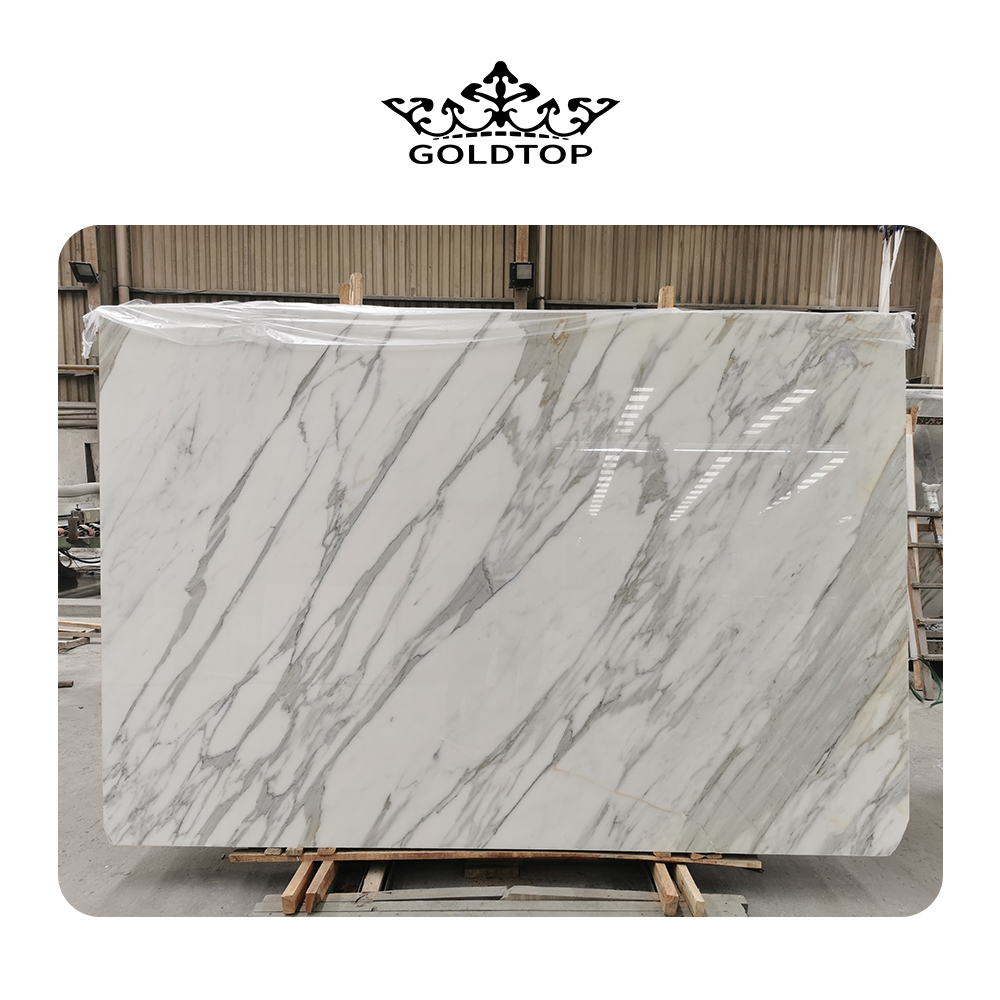
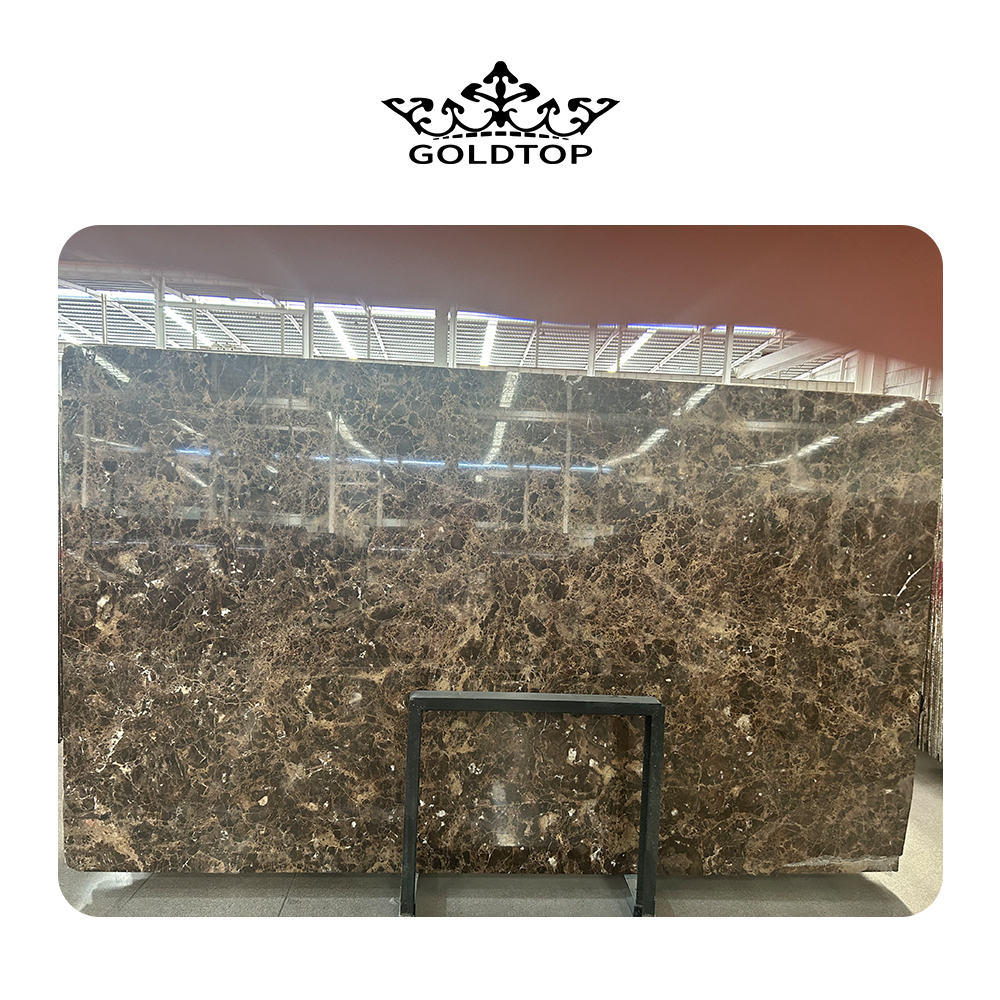
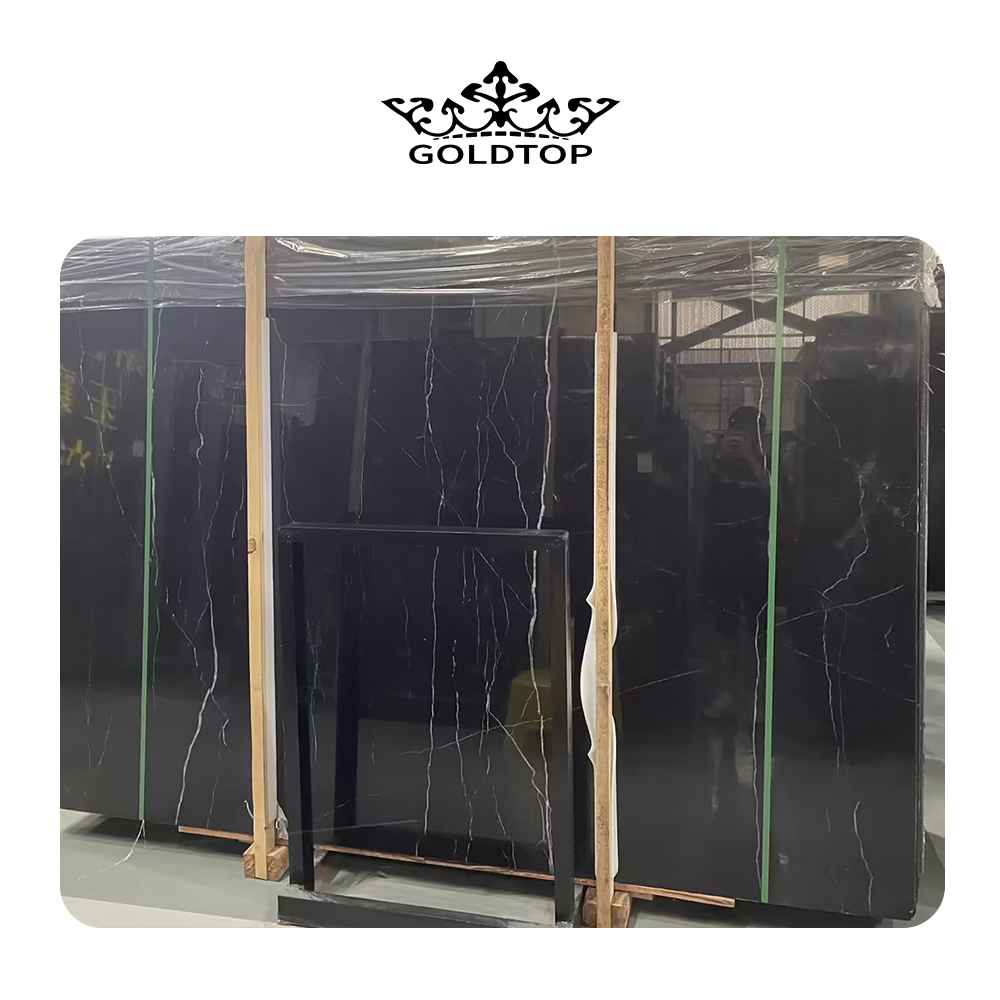
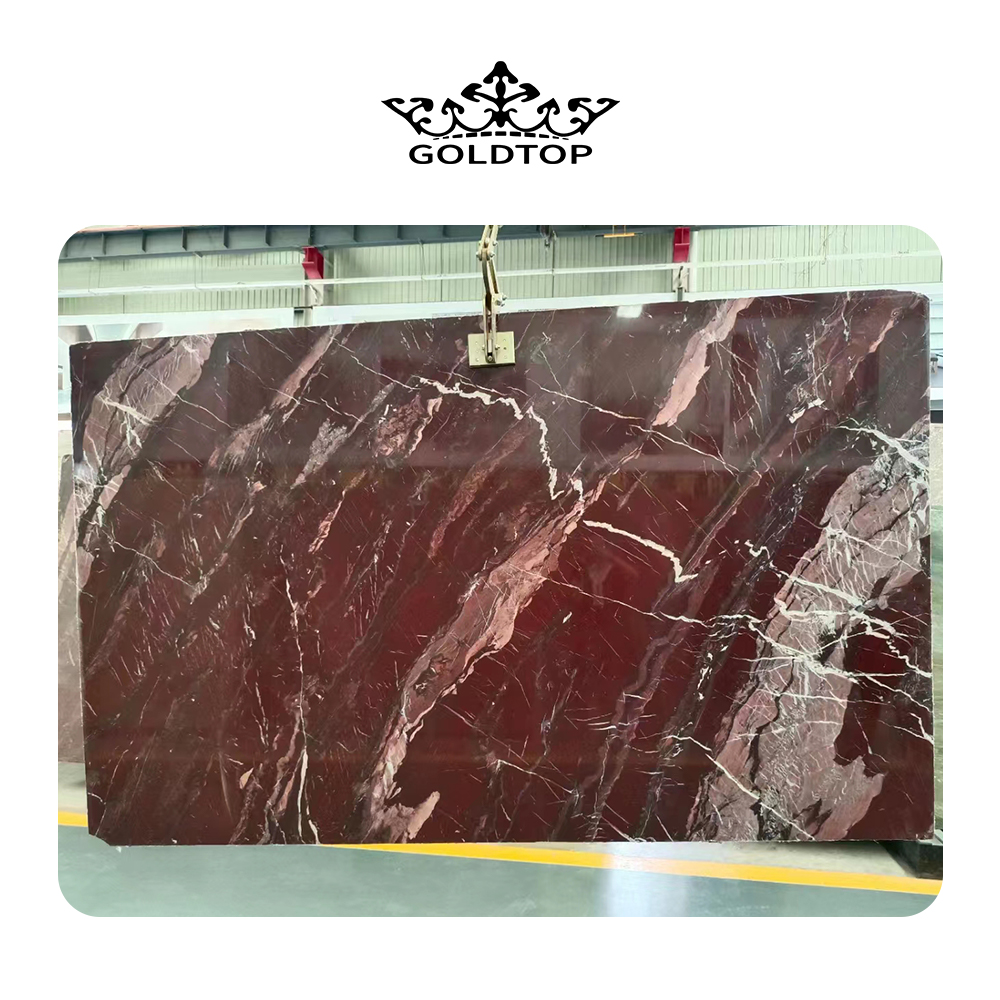
Choosing the correct stone thickness is a critical factor in any stone application. Whether for marble slabs, granite tiles, countertops, or outdoor paving, thickness directly impacts strength, durability, safety, and long-term performance.
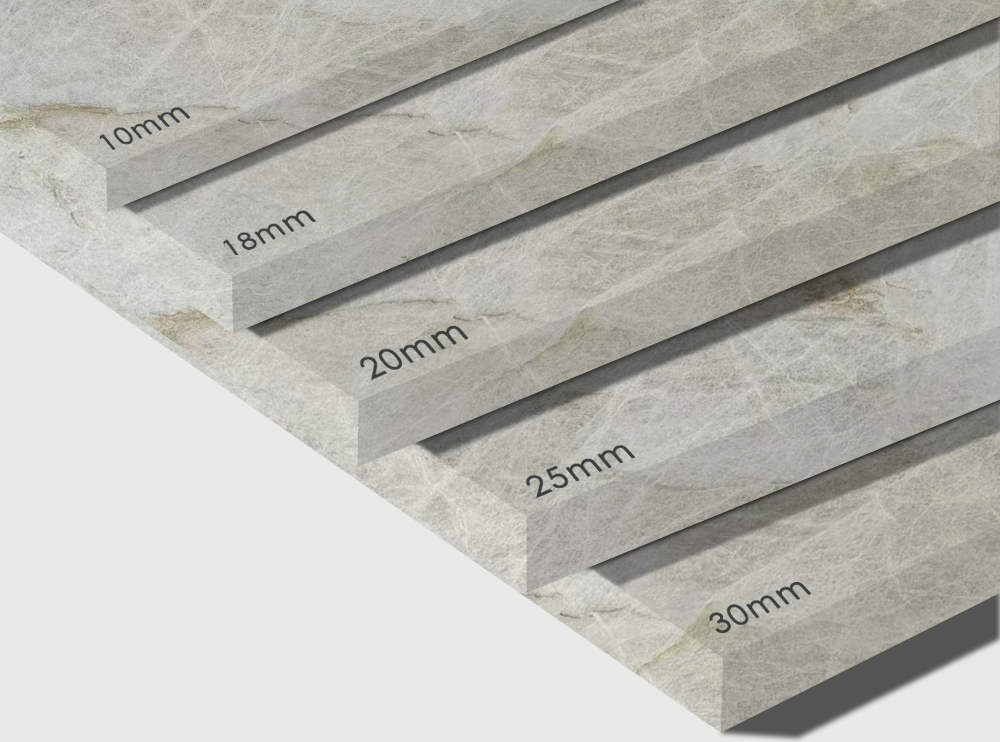
 

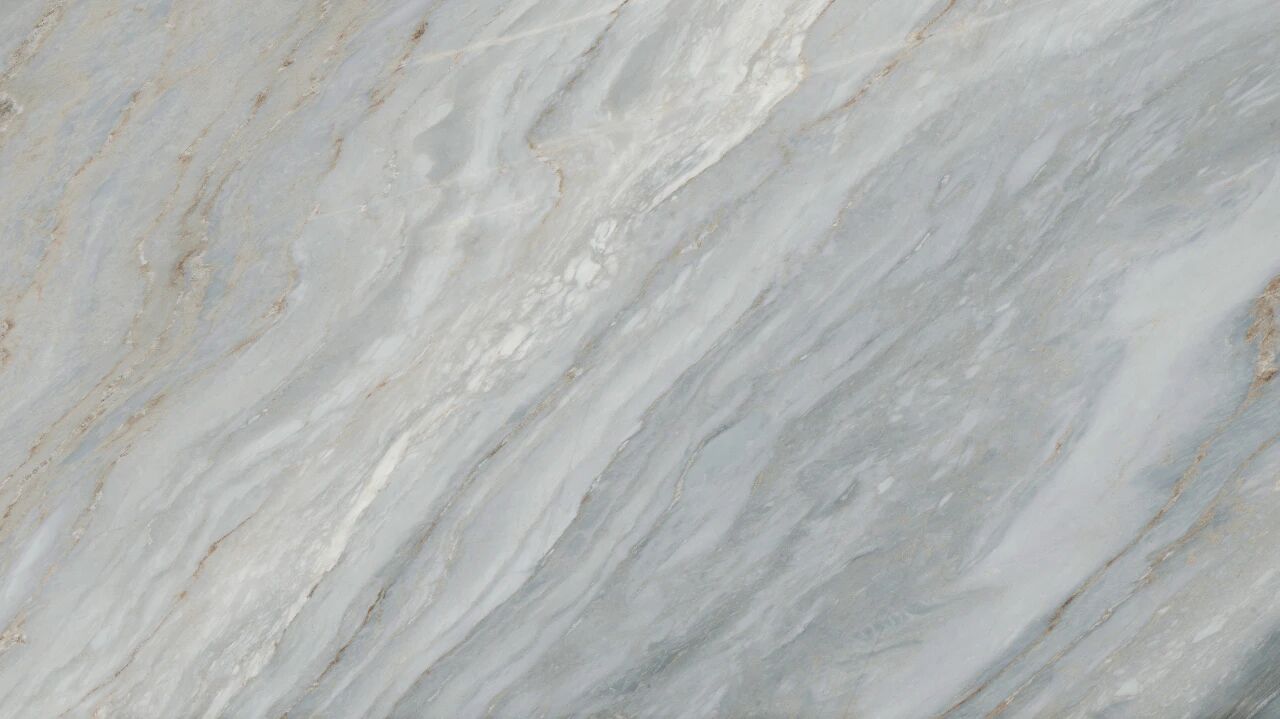
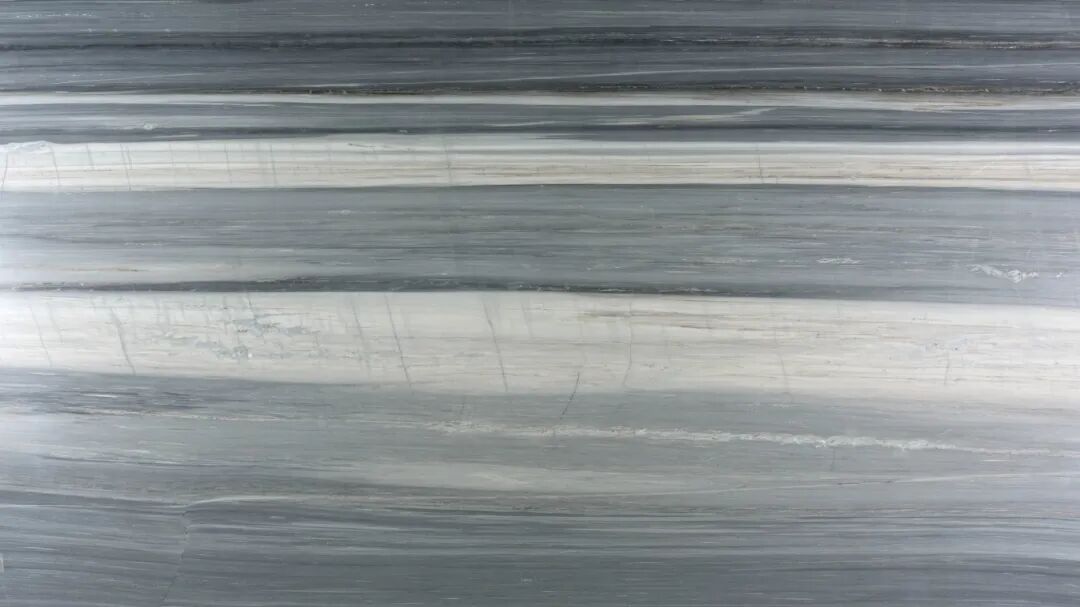
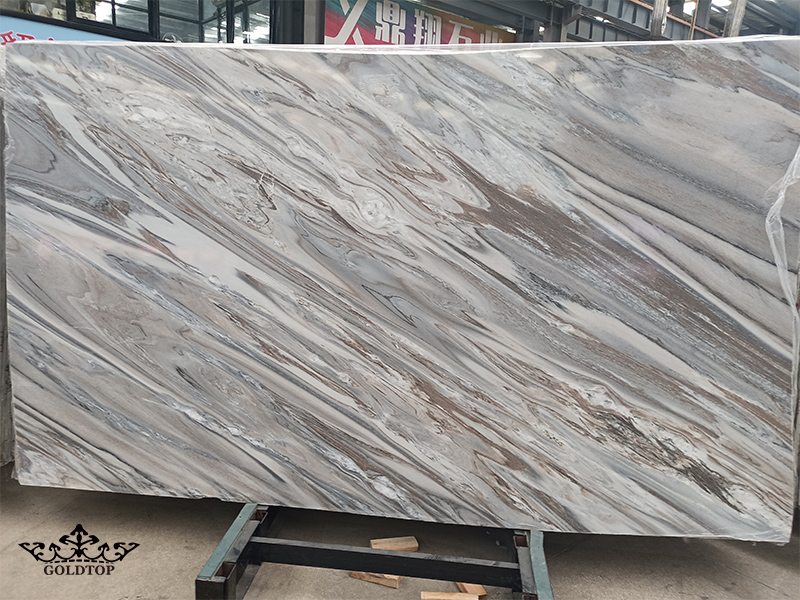
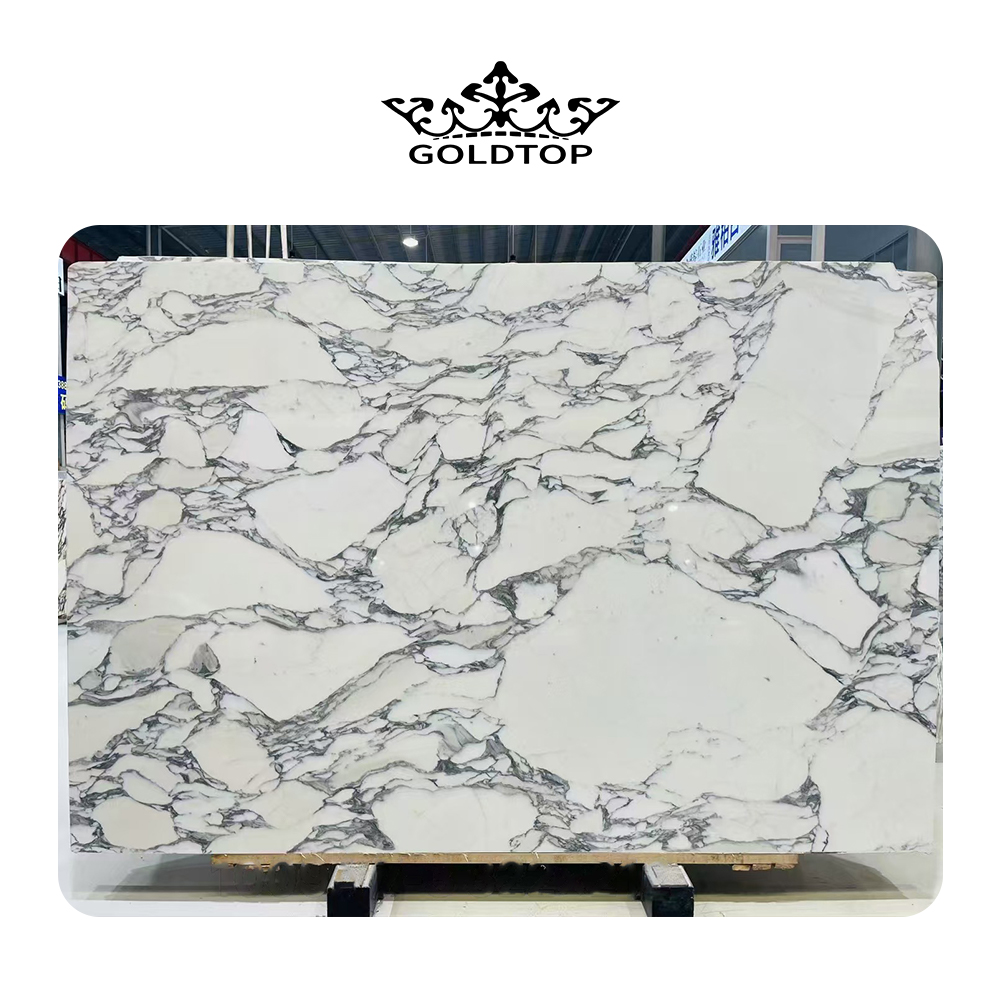
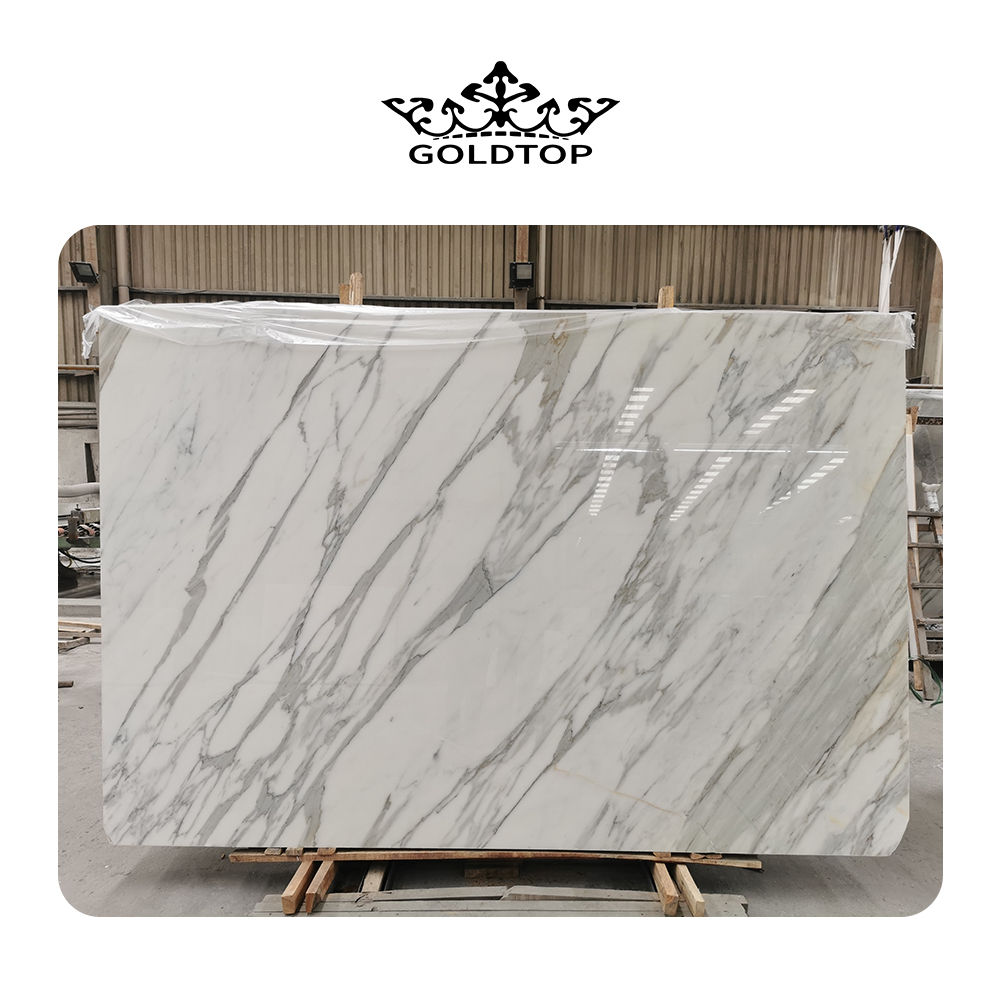
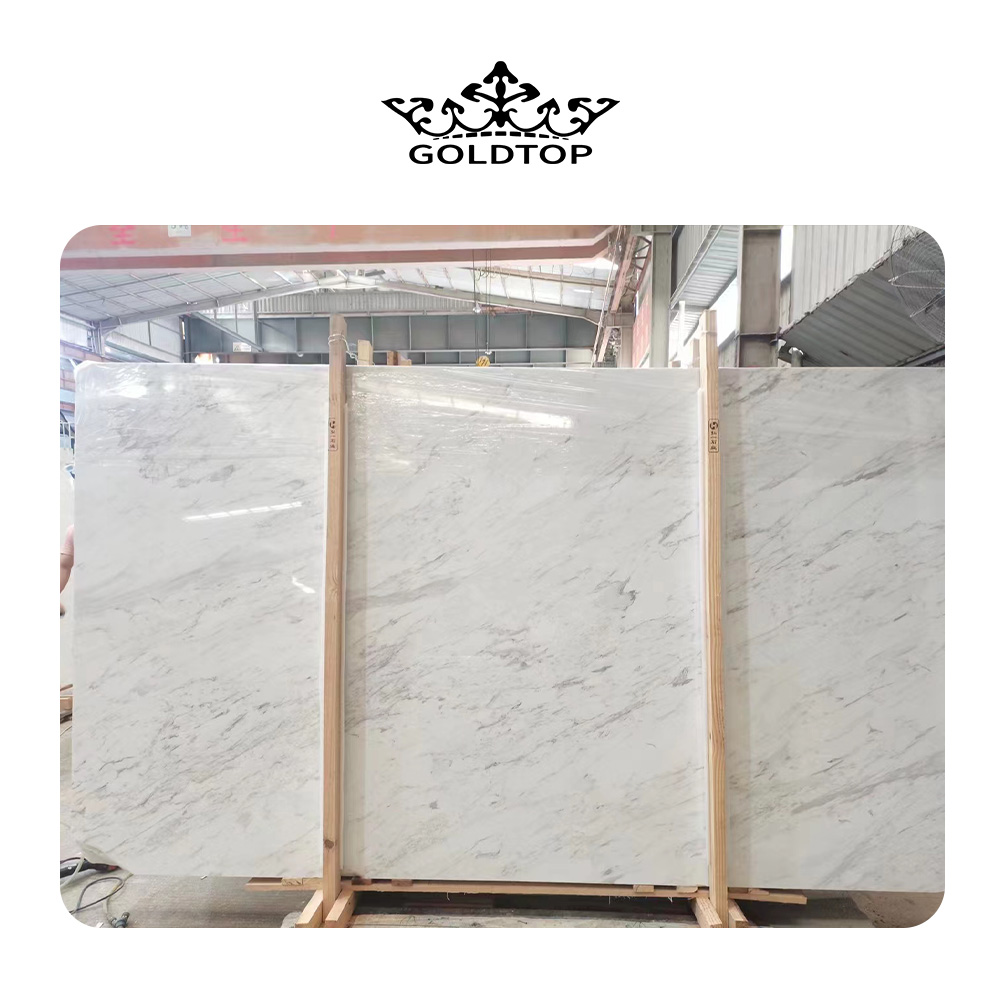
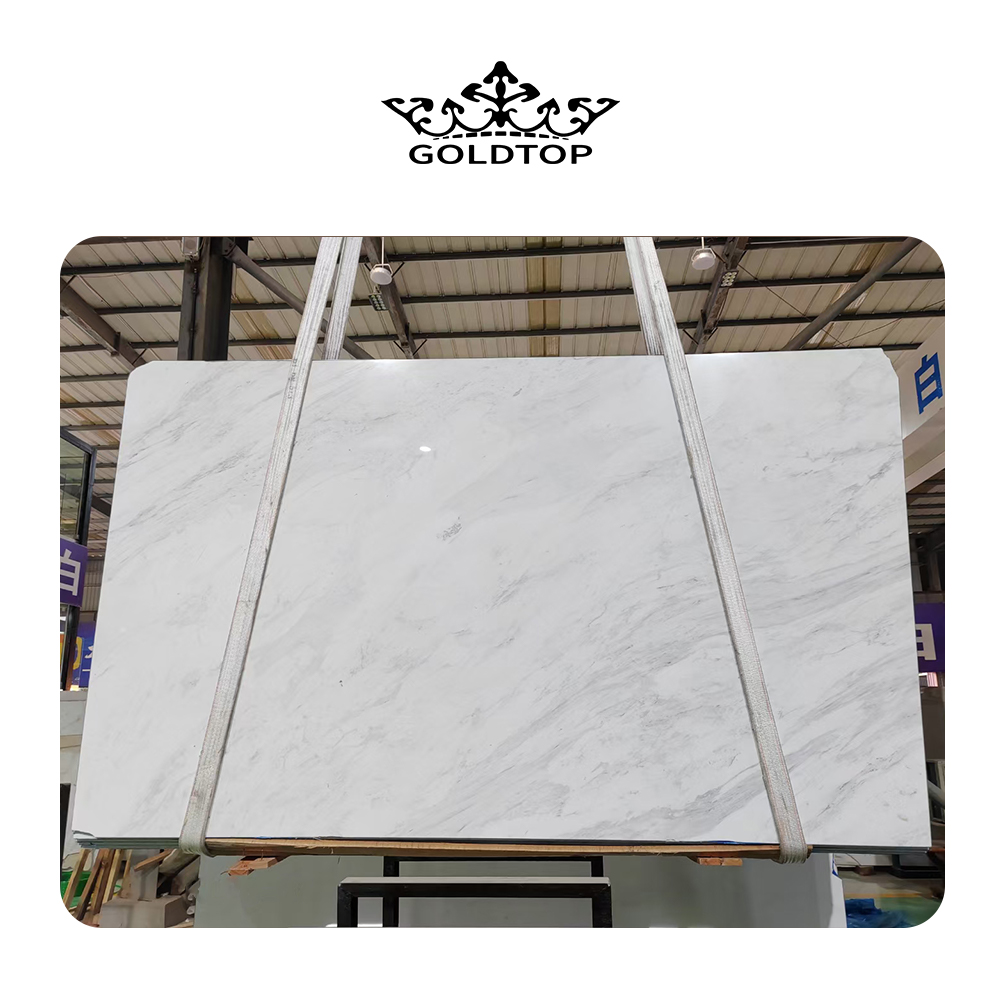
different Thickness of taj mahal quartzite


I. Why Stone Thickness Matters

Stone thickness is not only a visual or cost-related choice—it plays a decisive role in:

    • Structural strength

    • Load-bearing capacity

    • Resistance to cracking and warping

    • Installation stability

    • Long-term durability and maintenance cost

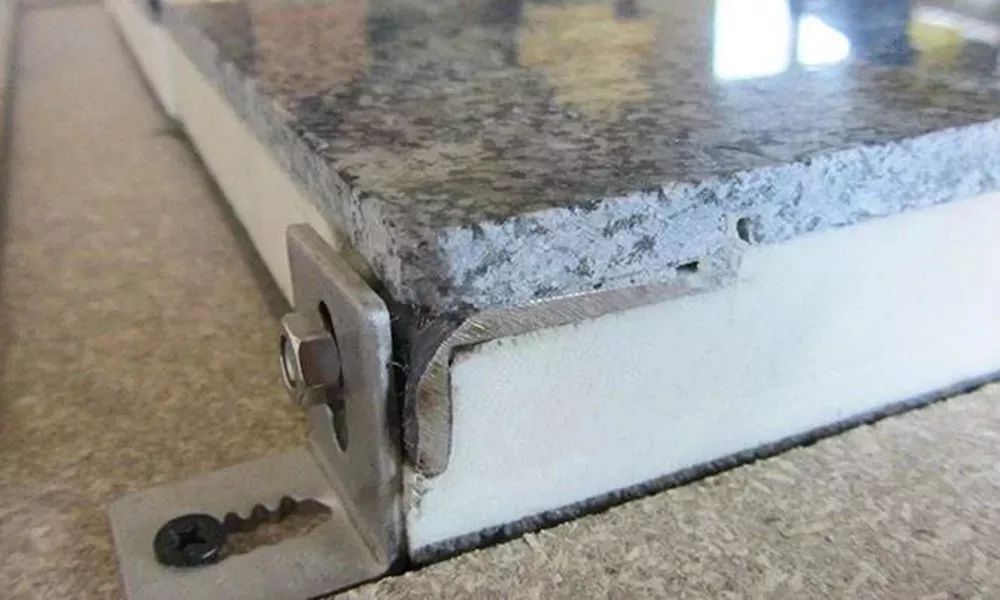
Incorrect thickness selection often leads to cracking, adhesive bleeding, deformation, and premature failure.
How to Choose the Right Stone Thickness: A Complete Guide for Durability & Safety

II.Relationship Between Stone Thickness and Strength

In general, thicker stone slabs provide higher compressive strength.

    • Thin marble slabs have lower resistance to pressure and impact

    • Standard thickness slabs (such as 18mm marble slabs) offer improved stability and durability

    • Extra-thick slabs are essential for high-load or outdoor environments

This applies to all stone types, especially in flooring, stairs, countertops, and exterior paving.

III. Problems Caused by Stone That Is Too Thin

1. Higher Risk of Cracking

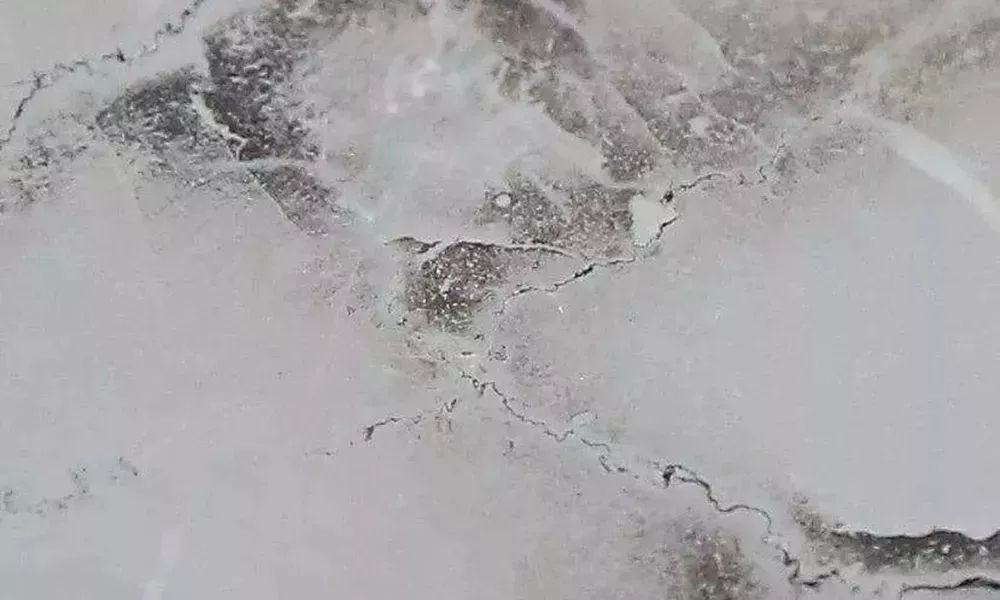
Natural stone may contain veins or micro-fissures. When slab thickness is below 16mm, the risk of cracking increases significantly during fabrication, transportation, or installation.

2. Adhesive Bleeding and Color Penetration

For light-colored stones such as marble floor tiles, thin slabs may allow cement or adhesive pigments to penetrate through the stone surface, negatively affecting appearance. Thicker slabs provide better protection against back-side contamination.

3. Insufficient Load-Bearing Capacity

In high-load areas such as plazas, commercial floors, or driveways, thin stone slabs may deform or crack. A classic example is Tiananmen Square in Beijing, where 100mm-thick granite is used to withstand heavy pedestrian and vehicle traffic.

4. Poor Dimensional Stability

Thin stone slabs are more prone to warping or bending due to temperature changes, humidity, or uneven stress, especially in engineered stone products.
How to Choose the Right Stone Thickness: A Complete Guide for Durability & Safety

V. Recommended Stone Thickness by Application

Indoor vs. Outdoor Stone Applications

Outdoor stone tiles and slabs must resist weather, temperature changes, wind load, and impact.

Recommended minimum thickness:

    • Outdoor granite tiles: ≥ 20mm

    • Outdoor marble slabs: ≥ 25mm

      How to Choose the Right Stone Thickness: A Complete Guide for Durability & Safety

For indoor use:

    • Wall cladding: thinner slabs acceptable

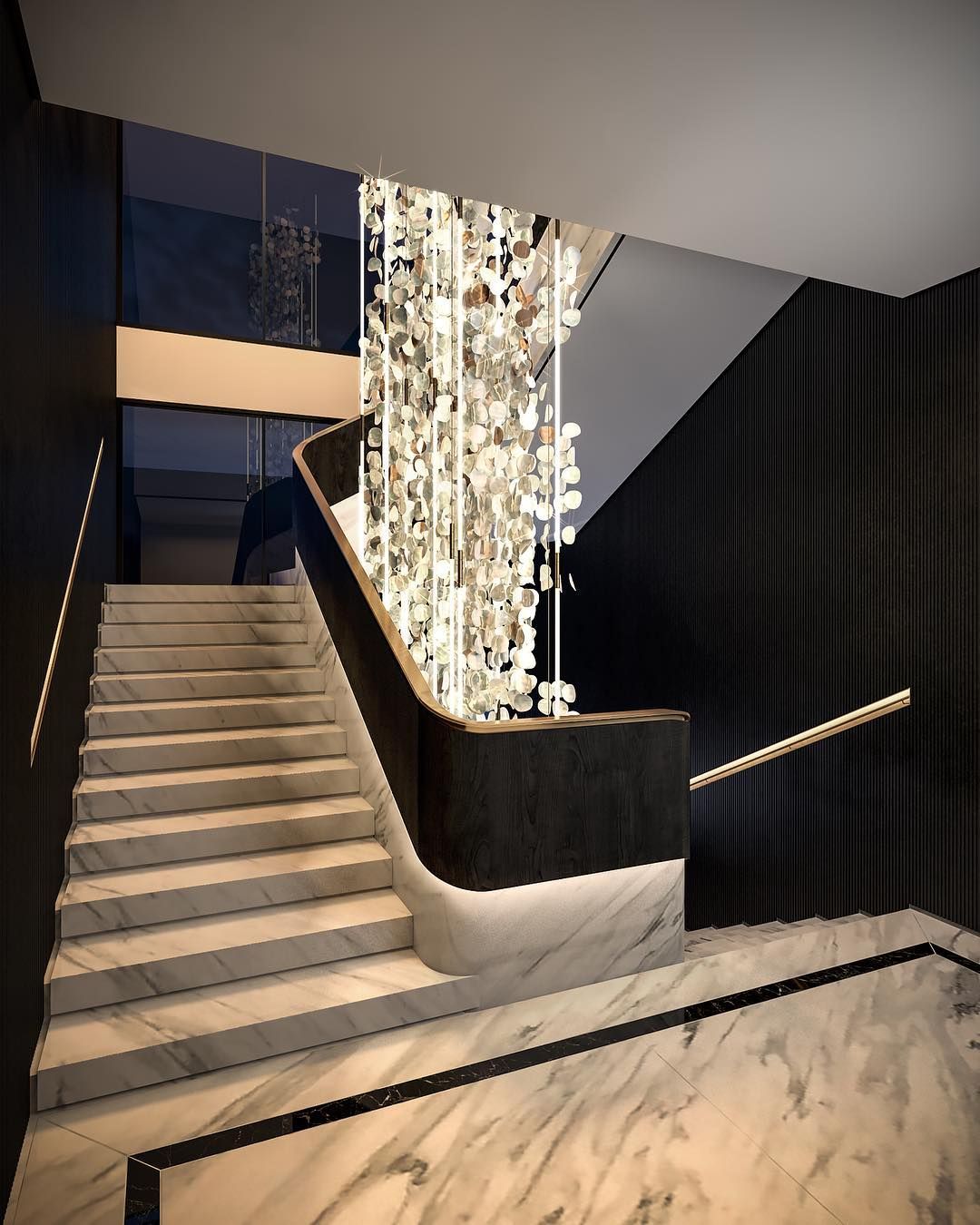
    • Flooring (marble floor tiles): ≥ 18mm recommended
      How to Choose the Right Stone Thickness: A Complete Guide for Durability & Safety

Thickness Differences by Stone Material

Marble generally has lower mechanical strength than granite. For the same application, marble should always be thicker. Marble countertops and vanity tops are recommended at 18mm or thicker, often with reinforcement.

Special High-Stress Areas

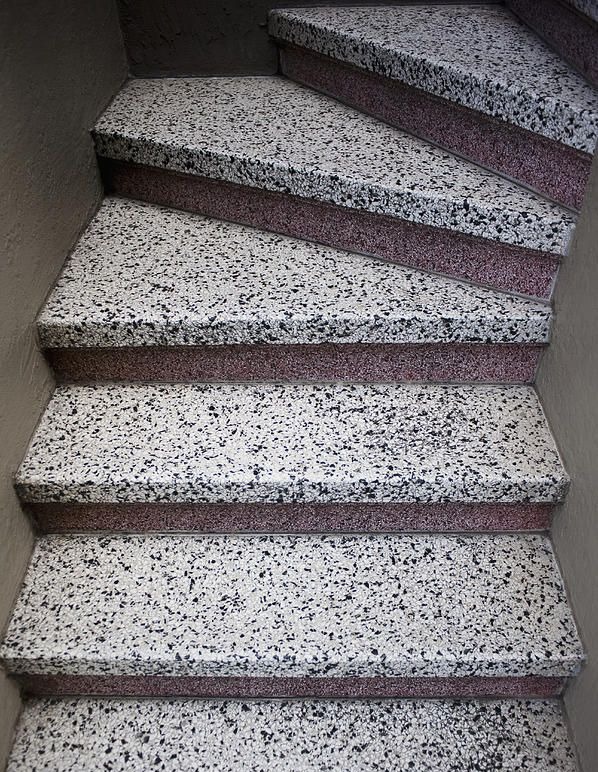
  • Stair treads: ≥ 30mm

  • Cantilevered countertops: thicker slabs recommended

  • Cut-out slabs (sink holes, cooktops): increased thickness improves safety and longevity
    How to Choose the Right Stone Thickness: A Complete Guide for Durability & Safety

VI. Conclusion: How to Choose the Best Stone Thickness

Selecting the right stone thickness requires balancing material type, installation method, and usage environment. While thin stone slabs may reduce initial cost, they increase long-term risks. Standard and thicker slabs ensure durability, safety, and visual stability.

Whether you are choosing marble floor tiles, outdoor granite tiles, or stone countertops, proper thickness planning is essential to achieve the ideal balance between aesthetics and performance.

Frequently Asked Questions (FAQ)

What is the standard thickness for marble slabs?

Standard marble slab thickness is typically 18mm or 20mm, offering a good balance between strength, durability, and cost.

Is thicker stone always better?

Not necessarily. Thicker stone provides more strength, but the optimal thickness depends on application, load requirements, and installation conditions.

What thickness is recommended for outdoor granite tiles?

Outdoor granite tiles should be at least 20mm thick to ensure durability against weather and impact.

Can thin marble slabs be used for flooring?

Thin marble slabs below 16mm are not recommended for flooring, especially in high-traffic areas.

Explore More with Goldtop Stone

⇒Explore Our Stone Products

Discover a wide range of marble, granite, quartz, and engineered stone slabs available in multiple thickness options.

View Our Project Cases

See how our stone materials are applied in residential, commercial, and large-scale architectural projects worldwide.

Contact Us for Professional Advice

Need help choosing the right stone thickness for your project? Our expert team is ready to support you.
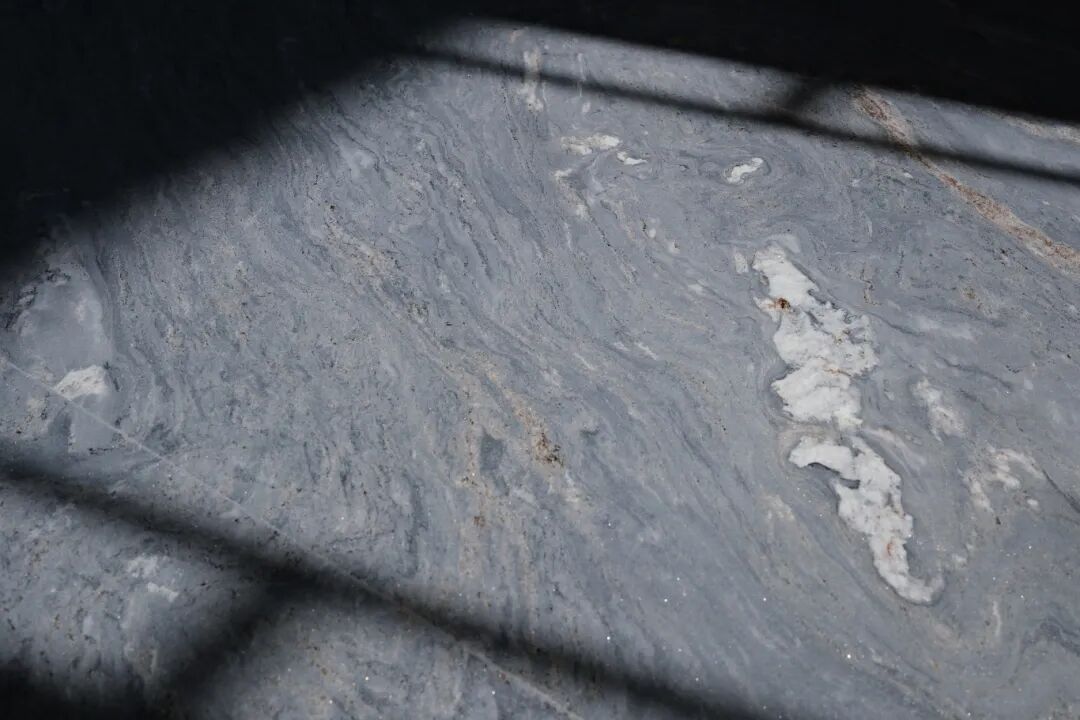
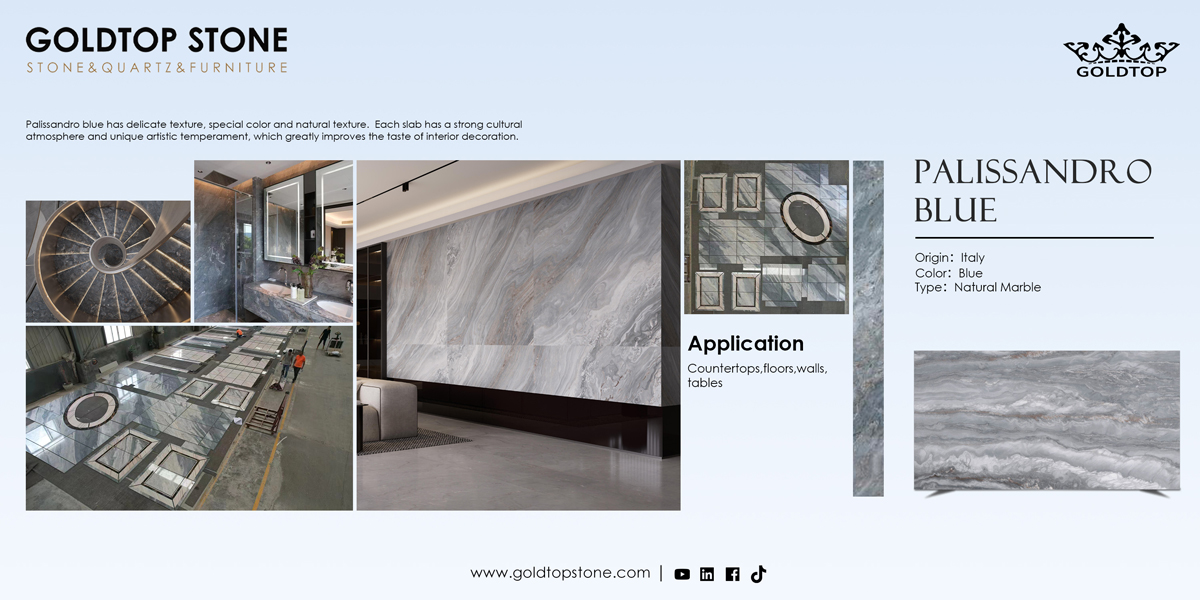


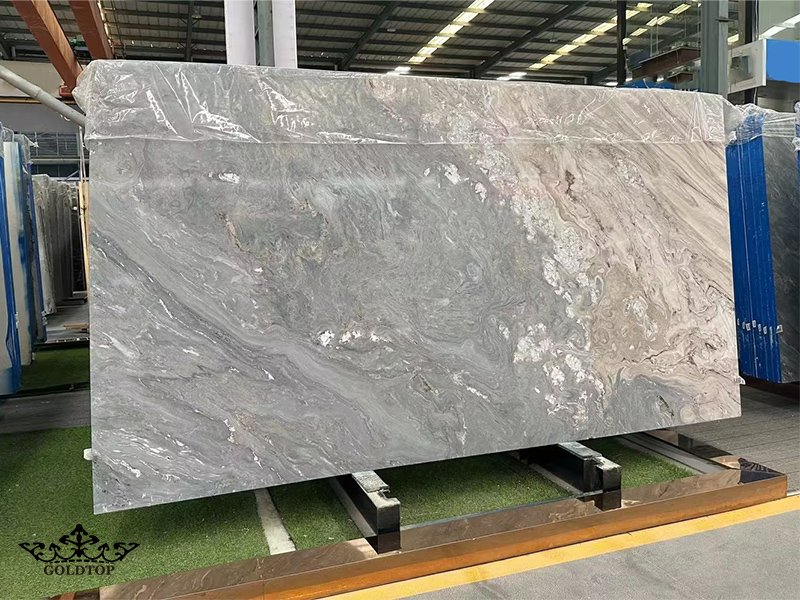
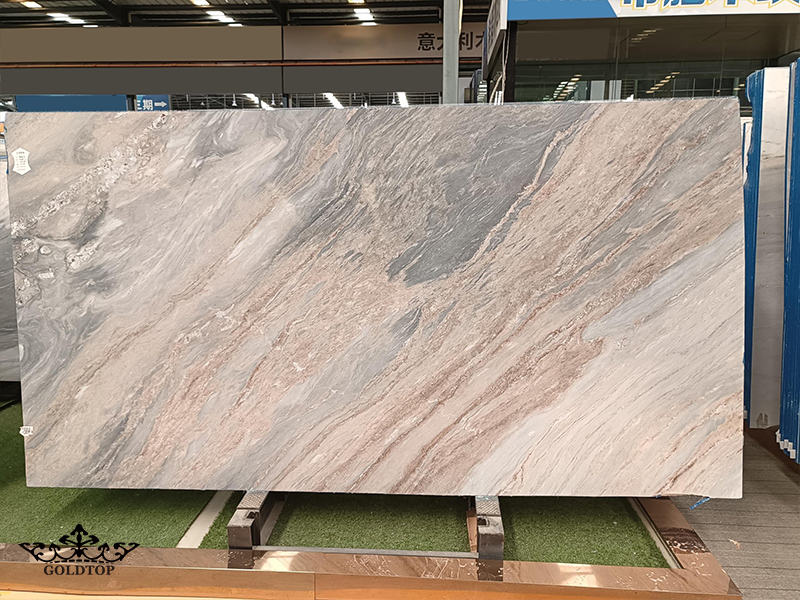
Palissandro Blue Marble: Where Rational Elegance Meets Romantic Beauty

In the world of natural stone, palissandro marble has long been admired for its refined texture and graceful veining. Among its variations, palissandro blue marble (also known as Blue Palissandro or Blue Sand Marble) stands out with its soft blue tones and flowing linear patterns, making it a highly sought-after material in modern interior design.

If you are looking for a stone that balances rational sophistication with romantic elegance, blue palissandro marble is a timeless choice worth exploring.


Palissandro Blue Marble

1. Basic Overview of Palissandro Blue Marble

  • Material Type: Natural Marble

  • Common Name: Palissandro Blue Marble

  • Texture: Linear and striped veining

  • Primary Color: Light blue to gray-blue

  • Applications:

    • Feature walls

    • Door surrounds and trims

    • Fireplace cladding

    • Vanity tops and countertops

    • Interior wall and floor coverings

Palissandro Blue Marble features a light blue base accented with fine white diagonal veining and soft linear patterns. The overall appearance is clean, modern, and layered. Its subtle blue veins introduce a romantic softness into the space while maintaining a refined architectural presence.

It seamlessly merges maturity and elegance—two seemingly contrasting qualities—into a harmonious aesthetic expression.


Palissandro Blue Marble

2. Visual Characteristics of Blue Palissandro Marble

Compared with warm-toned marbles, blue palissandro marble conveys a more contemporary atmosphere:

  • Cool light-blue background close to off-white tones

  • Directional veining ideal for large-format installations

  • Fine white lines that visually expand interior space

  • Different cutting methods (vein cut or cross cut) create varied artistic effects

When processed into palissandro blue marble tile, it becomes highly versatile for walls, flooring, and bathrooms, delivering a modern luxury and minimalist style.


Palissandro Blue Marble

Palissandro Blue Marble


Palissandro Blue Marble-Straight Veining

Palissandro Blue Marble-Straight Veining

3. Four Major Quarry Variations of Palissandro Blue Marble

Different quarry sources produce unique tones and surface characteristics.

(1) India Palissandro Blue Marble


Indian Palissandro Blue Marble


The India variety presents deeper blue tones with layered light and dark contrasts. The veins, whether bold or delicate, resemble the passage of time carved into stone.

It can create a grand and luxurious atmosphere in hotel lobbies or a subtle yet sophisticated look in private interiors.

Key Features:

  • Rich blue color

  • Strong depth perception

  • Ideal for high-end projects

  •  

(2) Iran Palissandro Blue Marble


Iran Palissandro Blue Marble


This version displays the richest color variations among the four. Some areas feature blue veining, while others reveal brownish undertones, reminiscent of tides sweeping freely across a shoreline.

Key Features:

  • Noticeable color contrast

  • Dynamic and expressive surface

  • Strong artistic character

  •  

(3) Italian Palissandro Blue Marble


italy Palissandro Blue Marble


Although not as intensely blue as the india variety, Italian Palissandro Blue Marble often reveals sparkling crystalline particles across the slab surface, adding brilliance and visual highlights.

Under lighting, the surface reflects a subtle glow, enhancing its luxurious appeal.

Key Features:

  • Fine crystalline sparkles

  • Excellent polish and gloss

  • Perfect for modern light-luxury interiors

  •  

4. Application Aesthetics of Palissandro Blue Marble

The nearly white base tone delivers minimalist modern beauty, while the soft blue hues introduce romance and mystery.

It resembles a professional woman—clean, confident, and composed—yet hiding a layer of quiet elegance beneath the surface.

Common applications include:

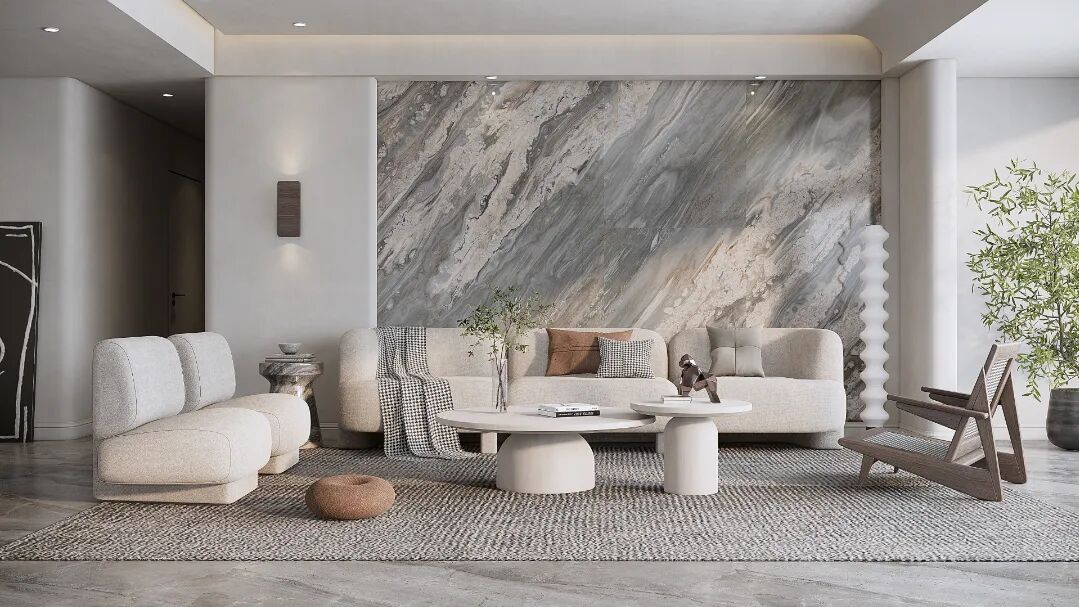
  • Villa living room feature walls

  • Hotel lobby statement backdrops

  • Luxury apartment bathrooms

  • Fireplace surrounds

  • Custom countertops and integrated stone systems

Through different cutting orientations, book-matching, and finishing techniques, blue palissandro marble can create versatile design styles—from minimalism to contemporary luxury.


Palissandro Blue Marble wall project


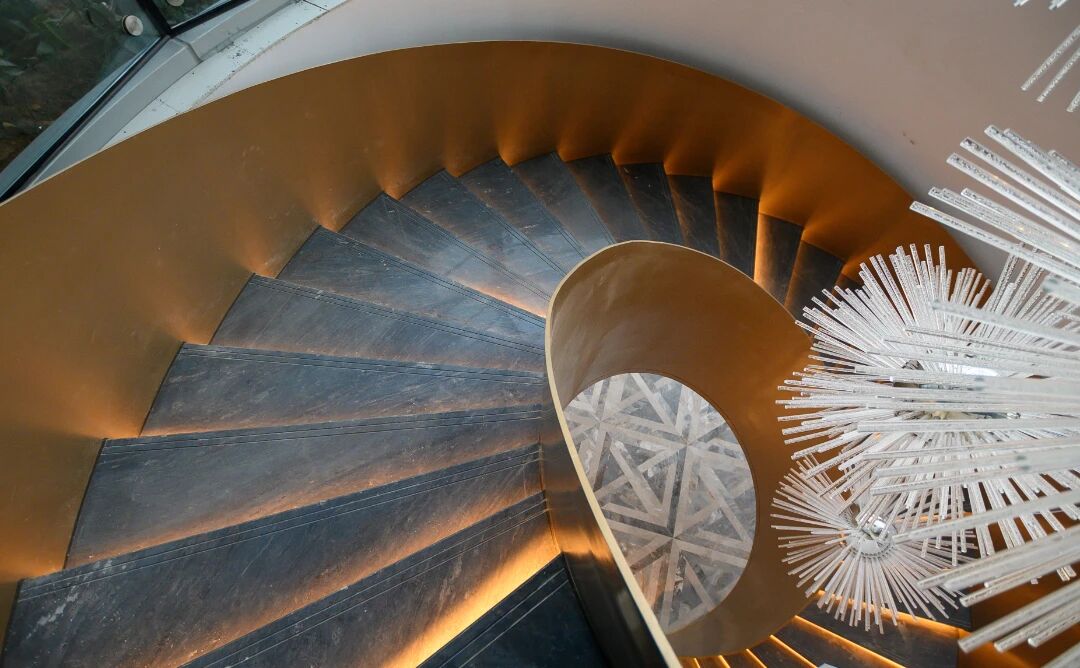
Palissandro Blue Marble stair project

5. Advantages of Palissandro Blue Marble Tile


Palissandro Blue Marble floor project


When fabricated into palissandro blue marble tile, the material offers both aesthetic and practical benefits:

  • Suitable for large-scale installations

  • Easier for standardized project applications

  • Ideal for walls, floors, and bathrooms

  • Compatible with metal, wood veneer, glass, and other materials

For hotels, apartments, and high-end residential developments, it provides a refined yet practical stone solution.

Conclusion

Whether used as a statement feature wall or integrated into a full custom stone project, palissandro marble carries timeless elegance. Among its varieties, palissandro blue marble stands out by blending rational modernity with romantic sophistication.

If you are sourcing premium blue-toned natural marble for your next project, blue palissandro marble deserves a place on your shortlist.

Explore More

For samples, technical specifications, or project quotations, feel free to contact our professional team.


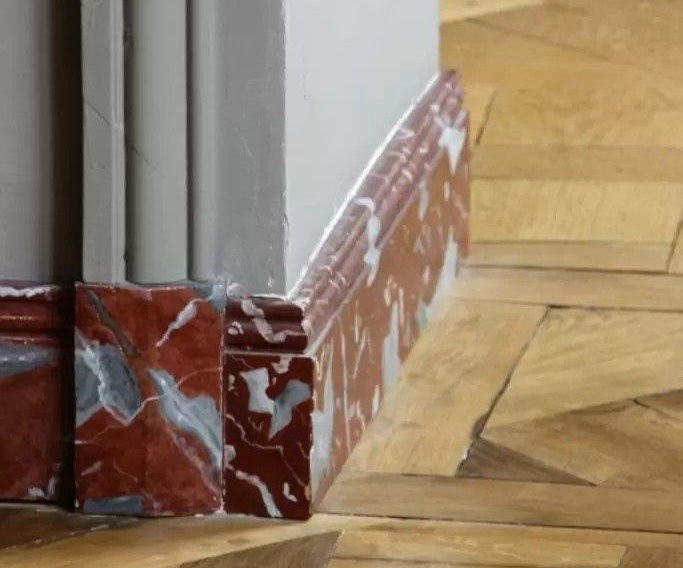
Marble Baseboard: The Refined Trim for Home Decor

Baseboards, an essential decorative material in every home, not only protect the base of the walls but also enhance the aesthetic appeal of the space. Among various materials, marble baseboards stand out with their unique texture and durability, becoming a preferred choice for creating a high-end home atmosphere. This article delves into their functions, pairing options, and advantages, and showcases eight classic styles.

Marble Baseboard

Functions of Baseboards
★ Visual Balance: Their lines and colors complement other linear elements in the space, enhancing the overall decorative appeal.
★ Wall Protection: They reinforce the junction between the wall and the floor, reduce wall deformation, and protect against external impacts. Their easy-to-clean nature makes dealing with floor spills particularly convenient.

Kensington marble

Matching Baseboards
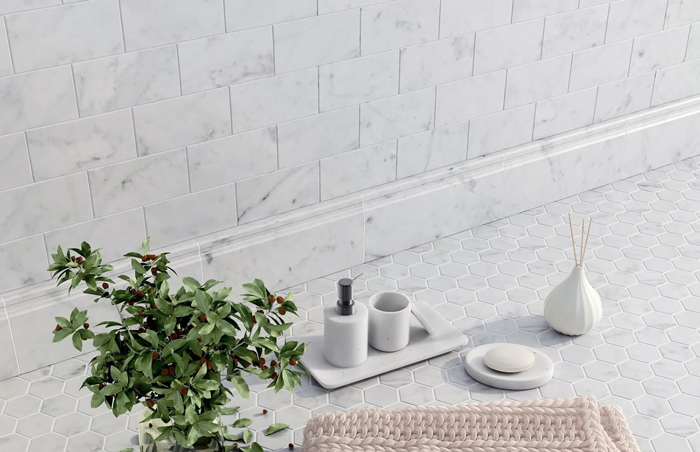
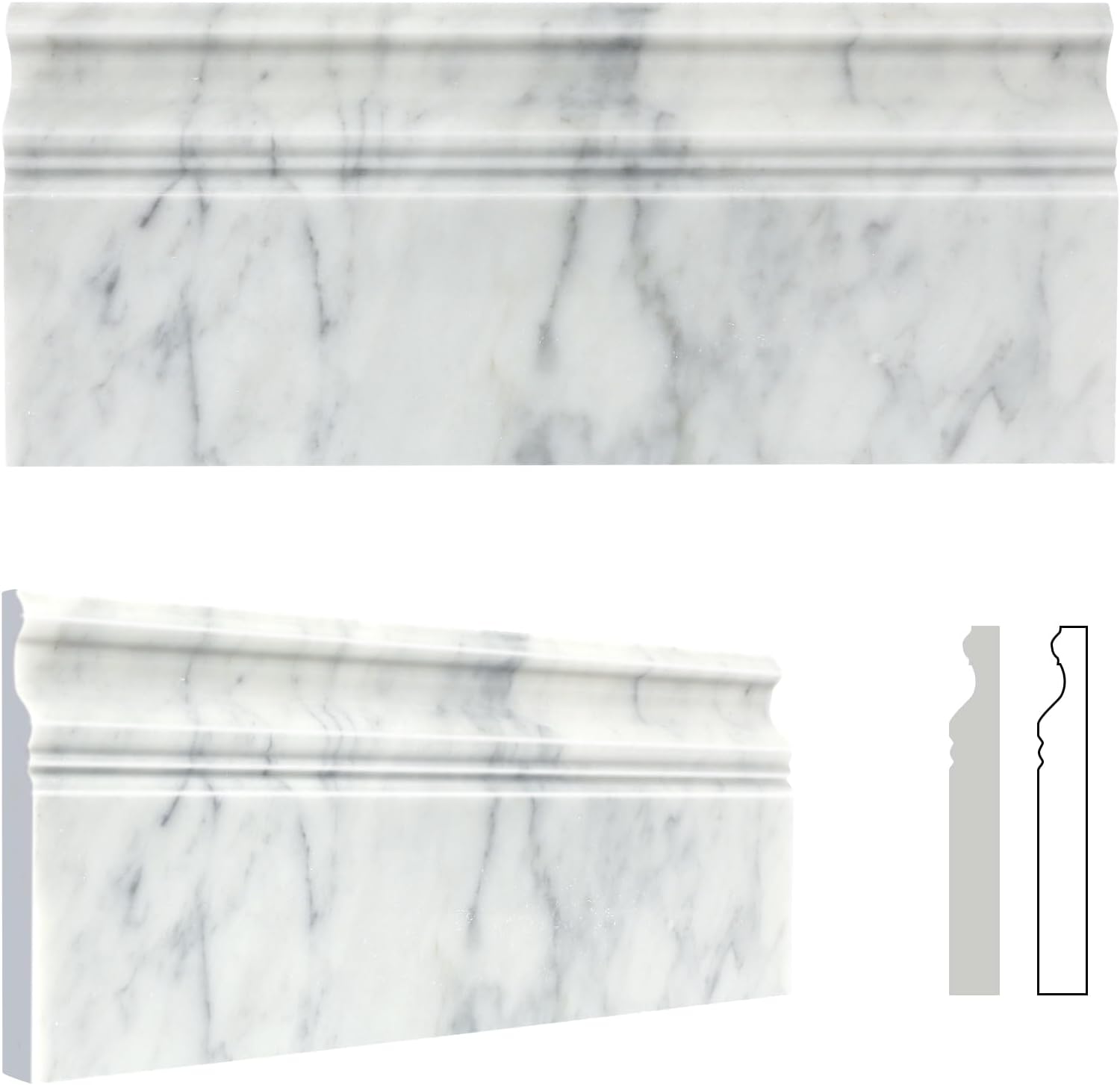
★ Similar Color Matching: Choosing baseboards in colors similar to the wall or floor, such as a white marble baseboard, creates a soft and harmonious visual effect.

white marble baseboard

★ Contrasting Color Matching: Using colors that contrast with the wall and floor can highlight layers and enhance visual impact.

marble baseboard

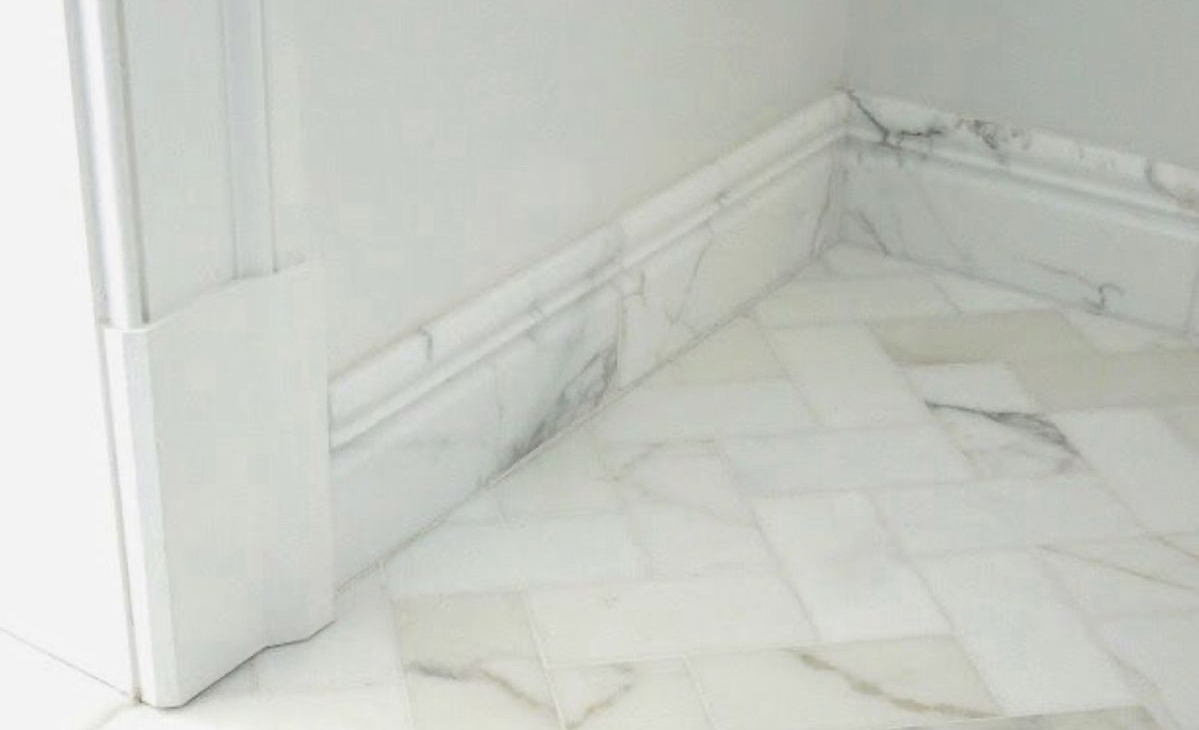
★ Unified Color Matching: Maintaining consistency with the color of door frames and archways, such as using a Carrara marble baseboard, creates a harmonious and unified color scheme in the room.

Carrara marble baseboard

Advantages of Marble Baseboards
★ Easy to Maintain: Marble baseboards are moisture-resistant and easy to clean, making daily maintenance simple.
★ Beautiful and Elegant: The decorative effect is elegant, especially marble tile baseboards, which can add a simple and luxurious feel to spaces such as living rooms.
★ Diverse Colors and Patterns: From light to dark colors, from plain textures to granular patterns, the natural textures are rich and varied, meeting the needs of different styles. This moisture resistance is particularly advantageous in damp areas like bathrooms, making a marble baseboard for the bathroom a practical and stylish choice.

Eight Classic Styles of Marble Baseboard Trim
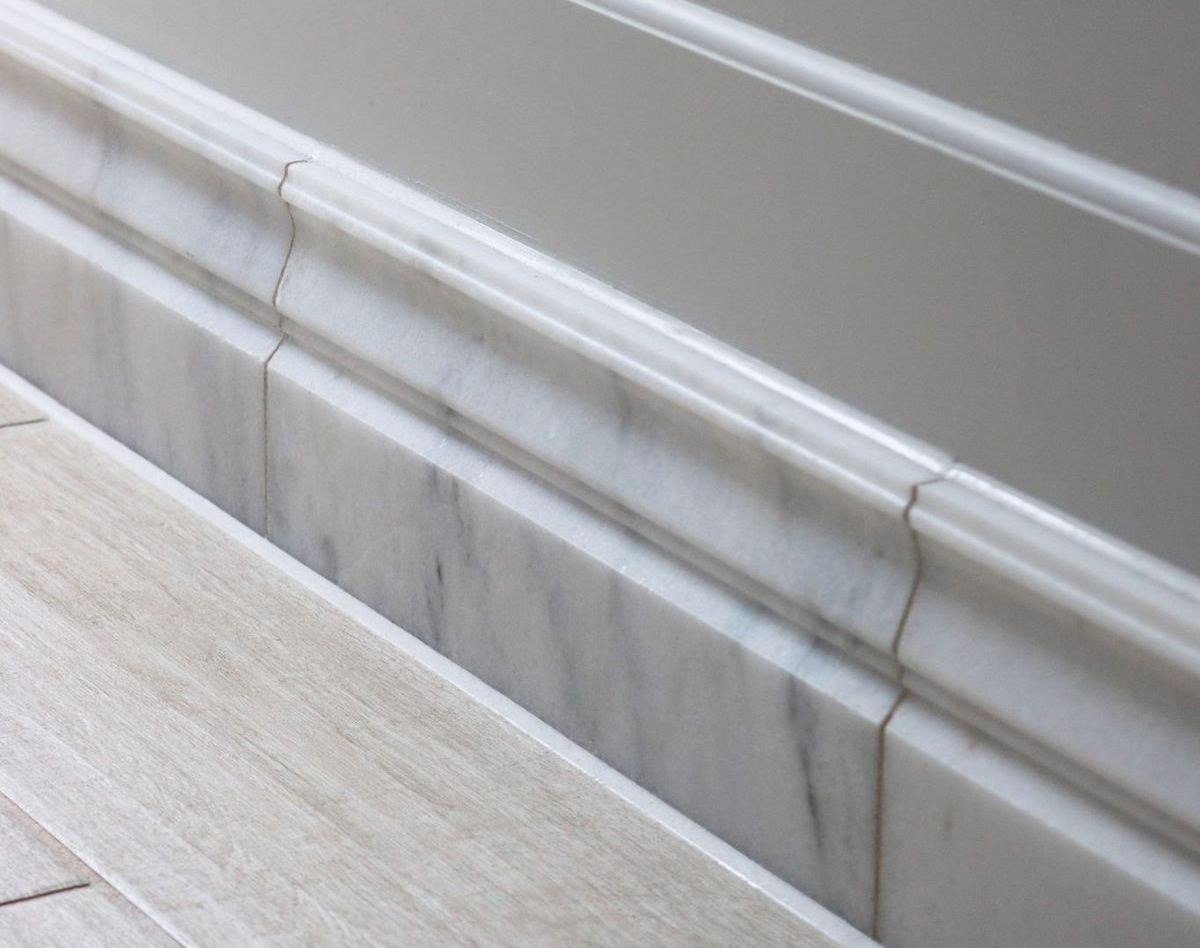
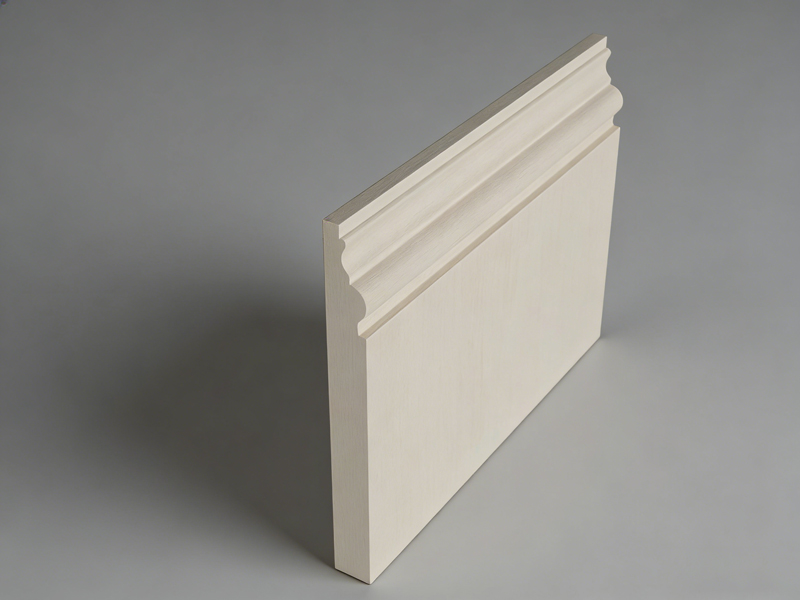
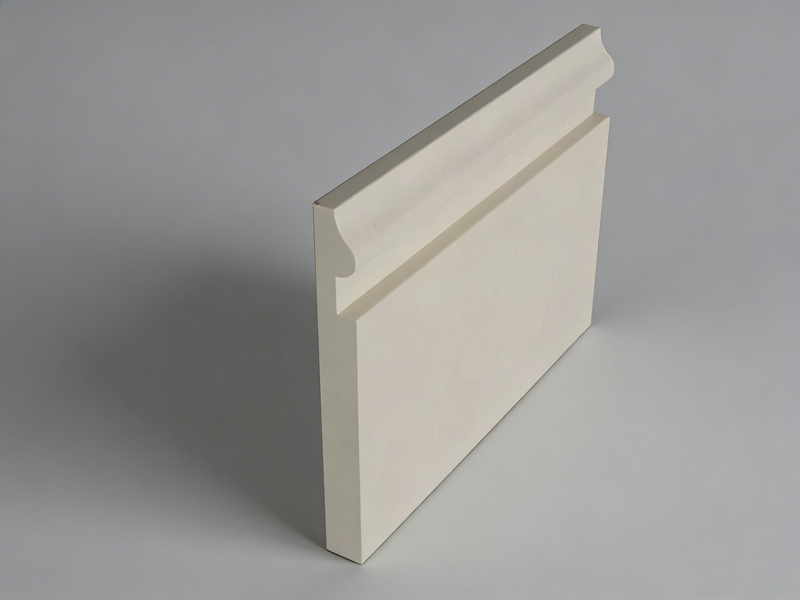
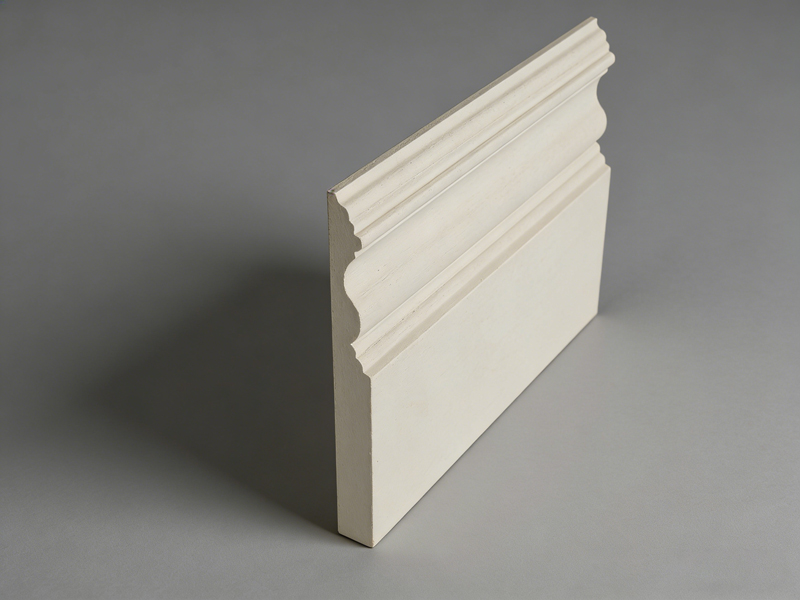
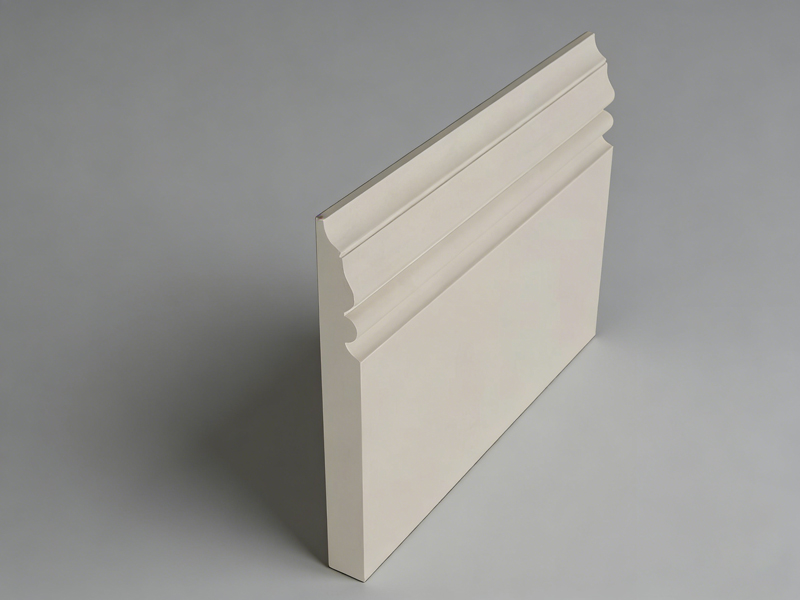
▲ 01 Classic Decorative Line Style: Beige stone paired with rich decorative lines, suitable for New Chinese and simplified European styles.

Classic Decorative Line Style
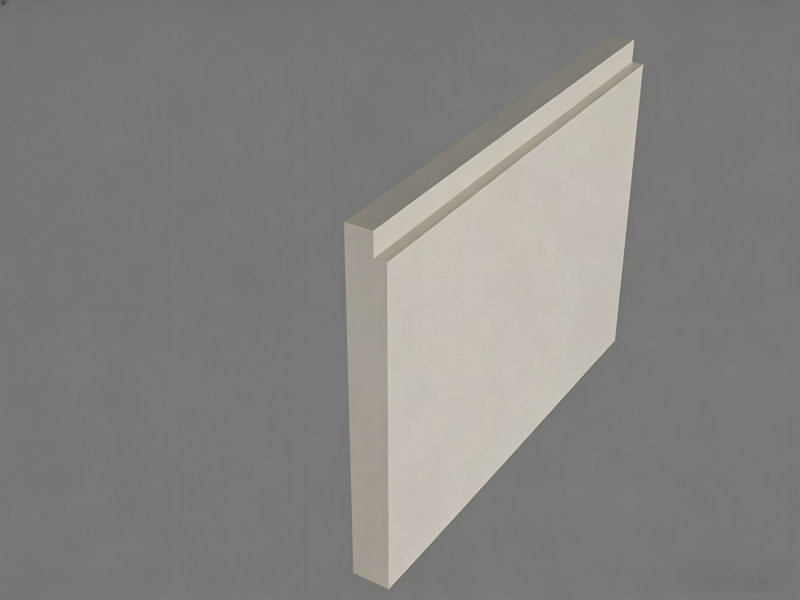
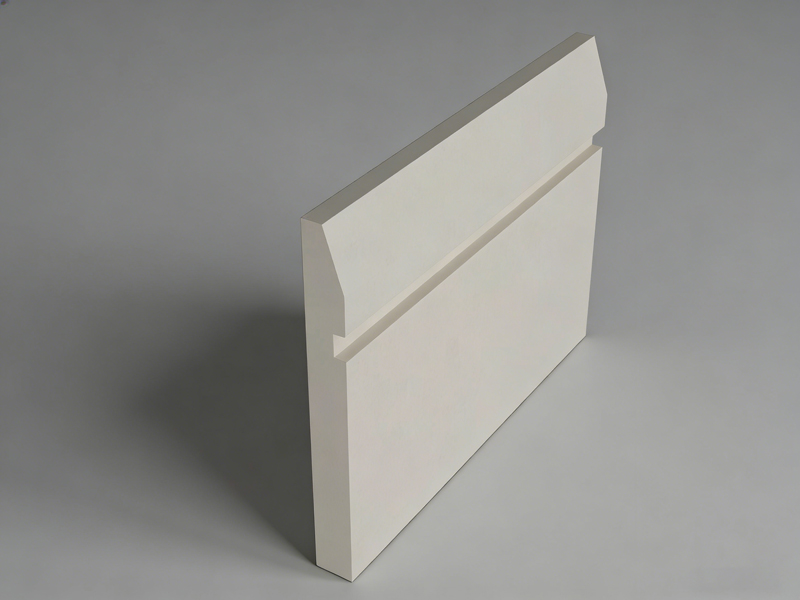
▲ 02 Modern Grooved Flat-Lay Style: Laid flush with wall tiles or marble, using grooves to highlight minimalist aesthetics.

Modern Grooved Flat-Lay Style
▲ 03 Right-Angle and Curve Combination: Showcases the natural elegance of marble through simple right angles and gentle curves.

Right-Angle and Curve Combination
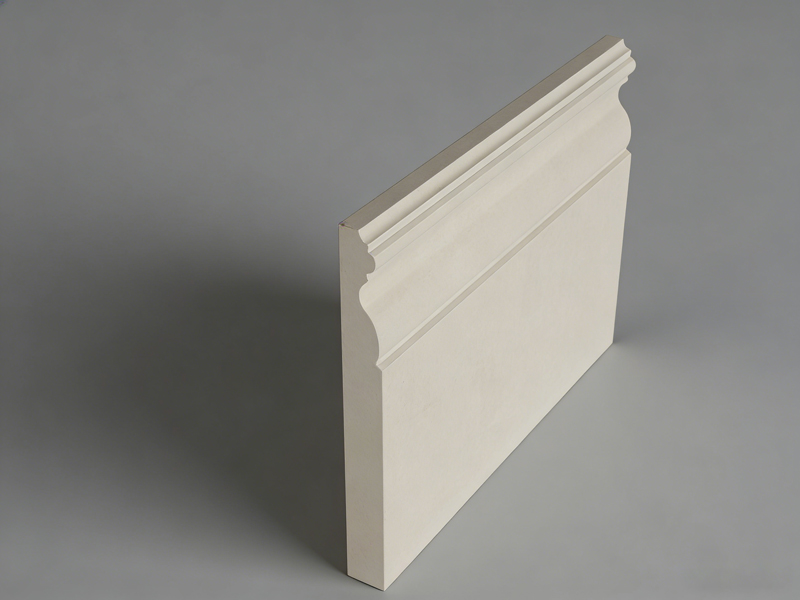
▲ 04 European Streamlined Design: Complex curves occupy half the height, suitable for simplified and traditional European styles.

European Streamlined Design
▲ 05 Angled and Curved Fusion: A combination of sharp angles and soft curves, resulting in a full and rich profile, often designed to be recessed into the wall.

Angled and Curved Fusion
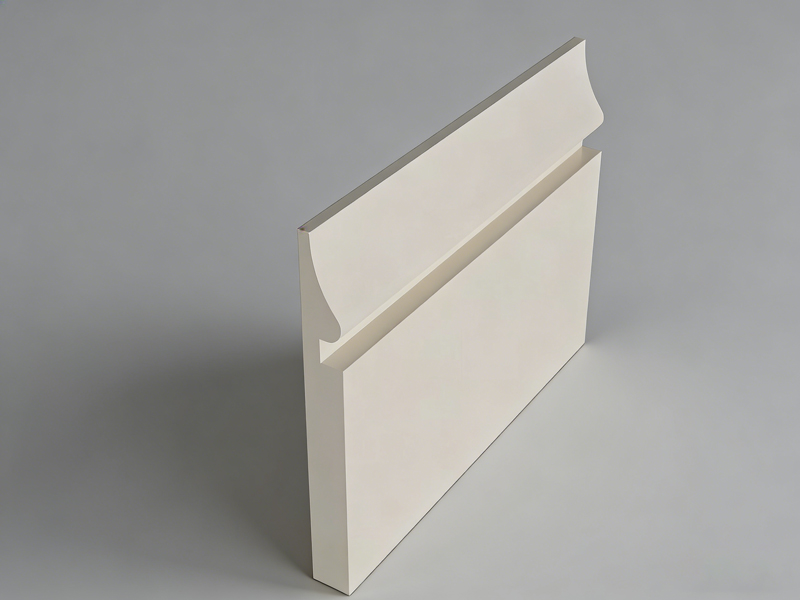
▲ 06 Thin Top, Thick Bottom Simple Style: The top edge is only 4 millimeters thick and remains flush with the wall, ideal for designs where a protruding baseboard is undesirable.

Thin Top, Thick Bottom Simple Style
▲ 07 Large Beveled Edge Simple Style: Uses a distinct beveled edge instead of a curved profile, fitting for modern and Chinese styles.

Large Beveled Edge Simple Style
▲ 08 Exquisite Three-Dimensional Design: Showcases the artistry of stone craftsmanship, with a rich and elegant multi-dimensional profile.

Large Beveled Edge Simple Style

Whether you prefer classic marble baseboards or contemporary marble baseboard trim, this material, with its lasting charm and practical functionality, provides the perfect finishing touch for your home. Choosing the right style and combination allows the baseboard to become a subtle yet striking decorative highlight. 

Several types of marble commonly used for baseboards

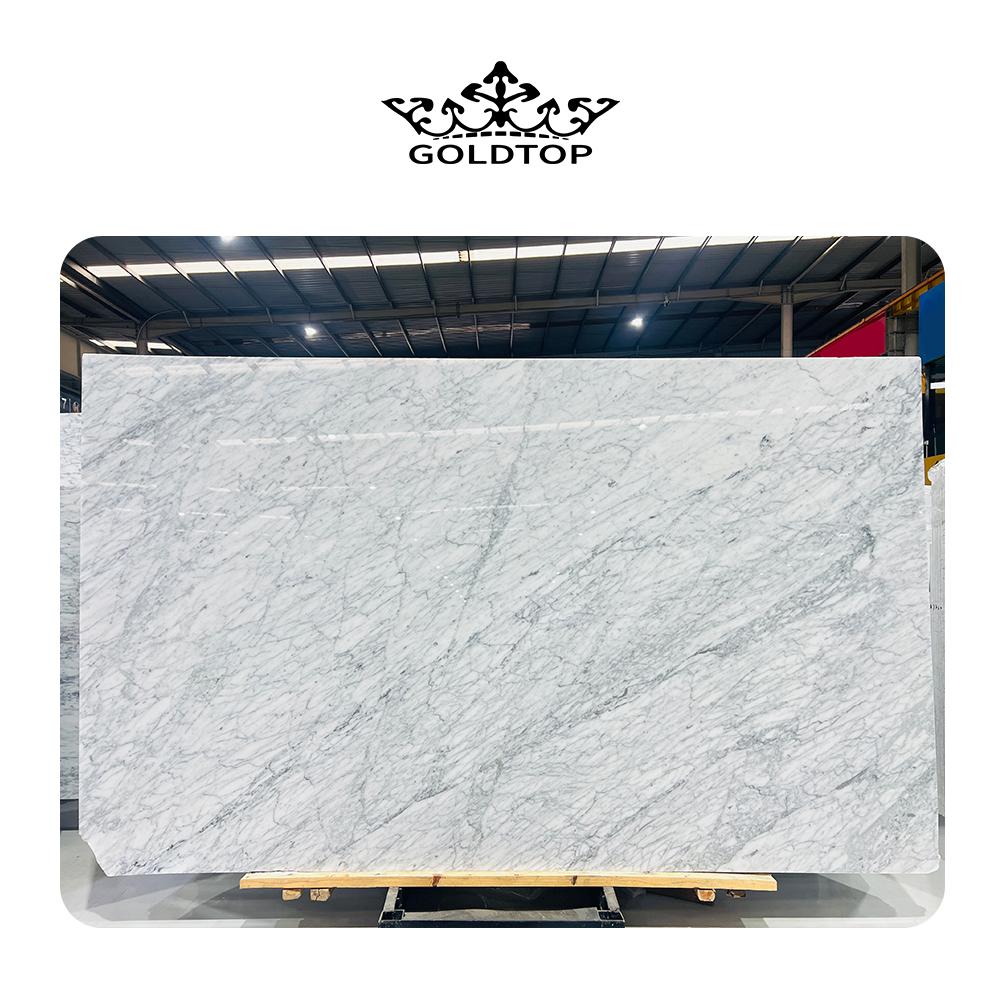
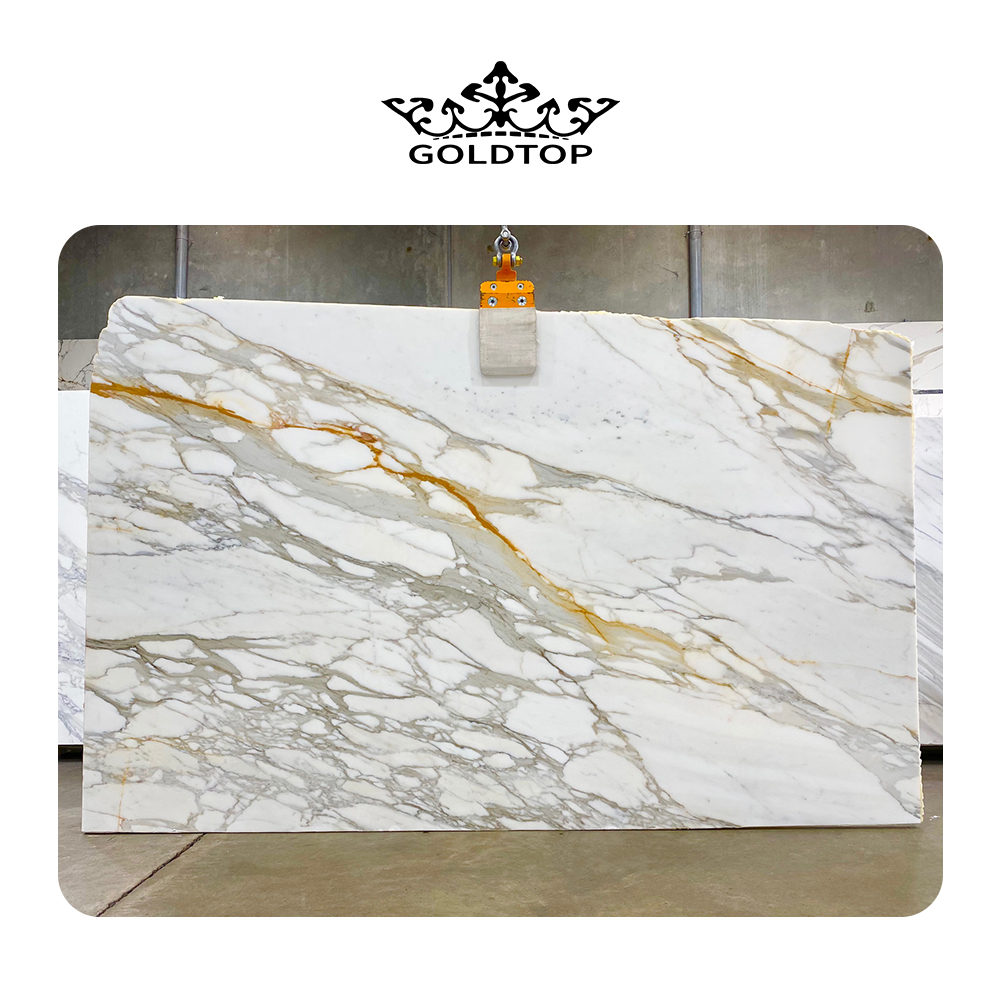
Carrara White Marble Calacatta Gold Marble Calacatta White Marble
Dark Emperador Marble Black Marquina Marble Rosso Collemandina Marble


-

Analysis of Common Quality Defects in White Stone | Common Quality Defects in White Stone & Marble

White stone, particularly white marble, is widely used in interior and exterior decoration due to its pure and elegant texture. However, during processing, installation, and use, some common quality defects often occur, affecting both aesthetics and durability. The following is an analysis of the main issues and their causes.

Introduction to Key Properties of White Stone

Category Arabescato Marble Calacatta White Marble Volakas Marble Ariston White Marble
Pic Arabescato Marble Calacatta White Marble Volakas Marble Ariston white Marble
Origin Italy Italy Greece Greece
Density (g/cm) 2.72 2.72 2.63 2.76
Water Absorption (%) 0.14 0.18 0.18 0.28
Mohs Hardness 51 59 56 61
Flexural Strength (MPa) 7 7 11.12 18.1
Compressive Strength (MPa) 114 139 130 140
Characteristics Dark gray veining, fine-grained structure, classic white marble Natural flowing veining, smooth and elegant, rich natural character Jade-like white tone, fine texture, elegant appearance, relatively soft Milky white background with light gray and dark gray mountain-style veining

1. Efflorescence and Calcification
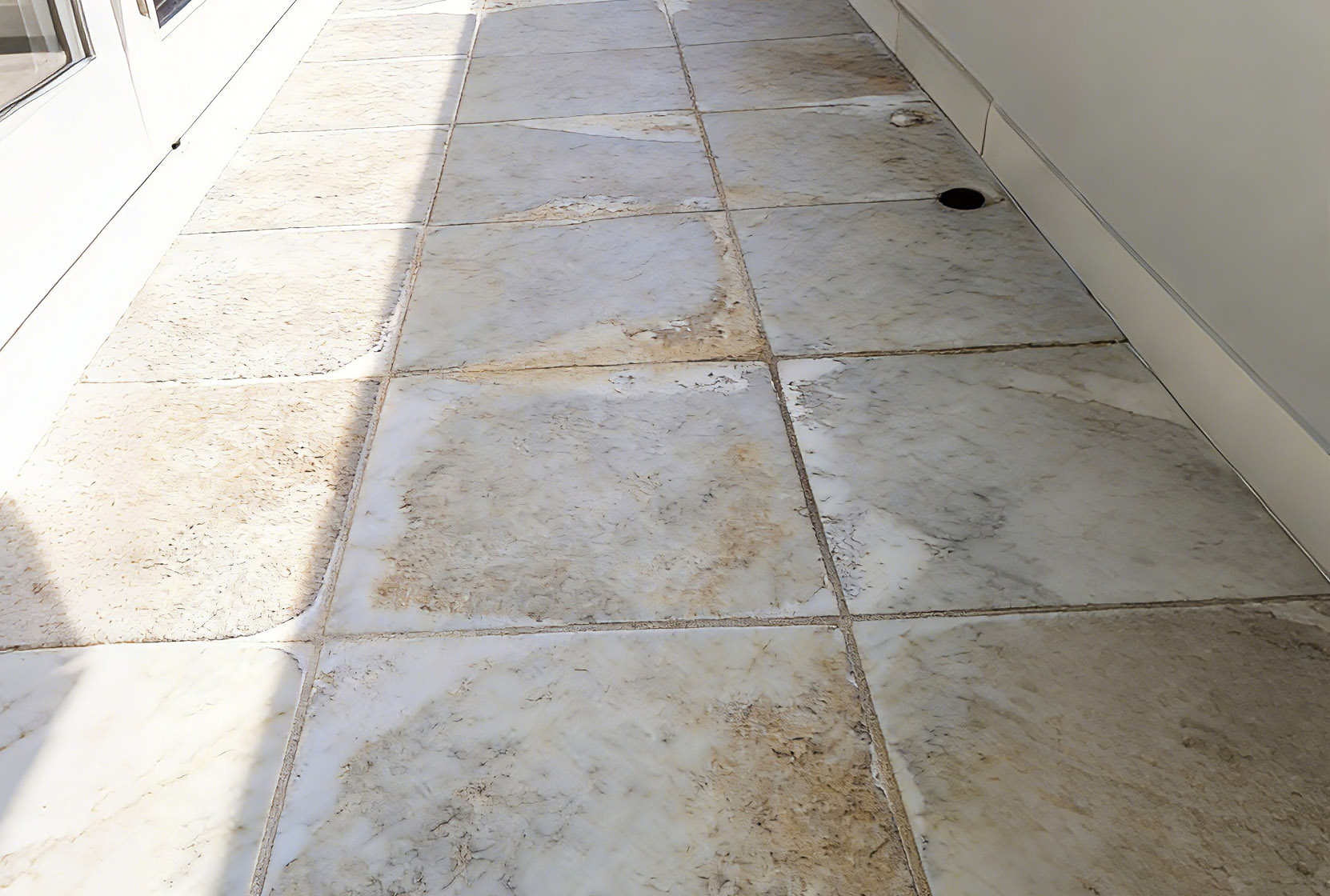
During wet installation, alkaline substances (such as CaSiO₃) in the cement mortar hydrolyze in the presence of water, producing calcium ions and hydroxide ions. These substances migrate to the surface through the stone's capillary pores or joints. After the water evaporates, a white powdery residue remains, known as efflorescence. When these alkaline substances further react with CO₂ and SO₂ in the air, forming compounds like calcium carbonate and calcium sulfate, calcification occurs. Calcification can severely erode the stone surface, damaging its gloss and structure.

Marble Efflorescence and Calcification

2. Staining and Discoloration
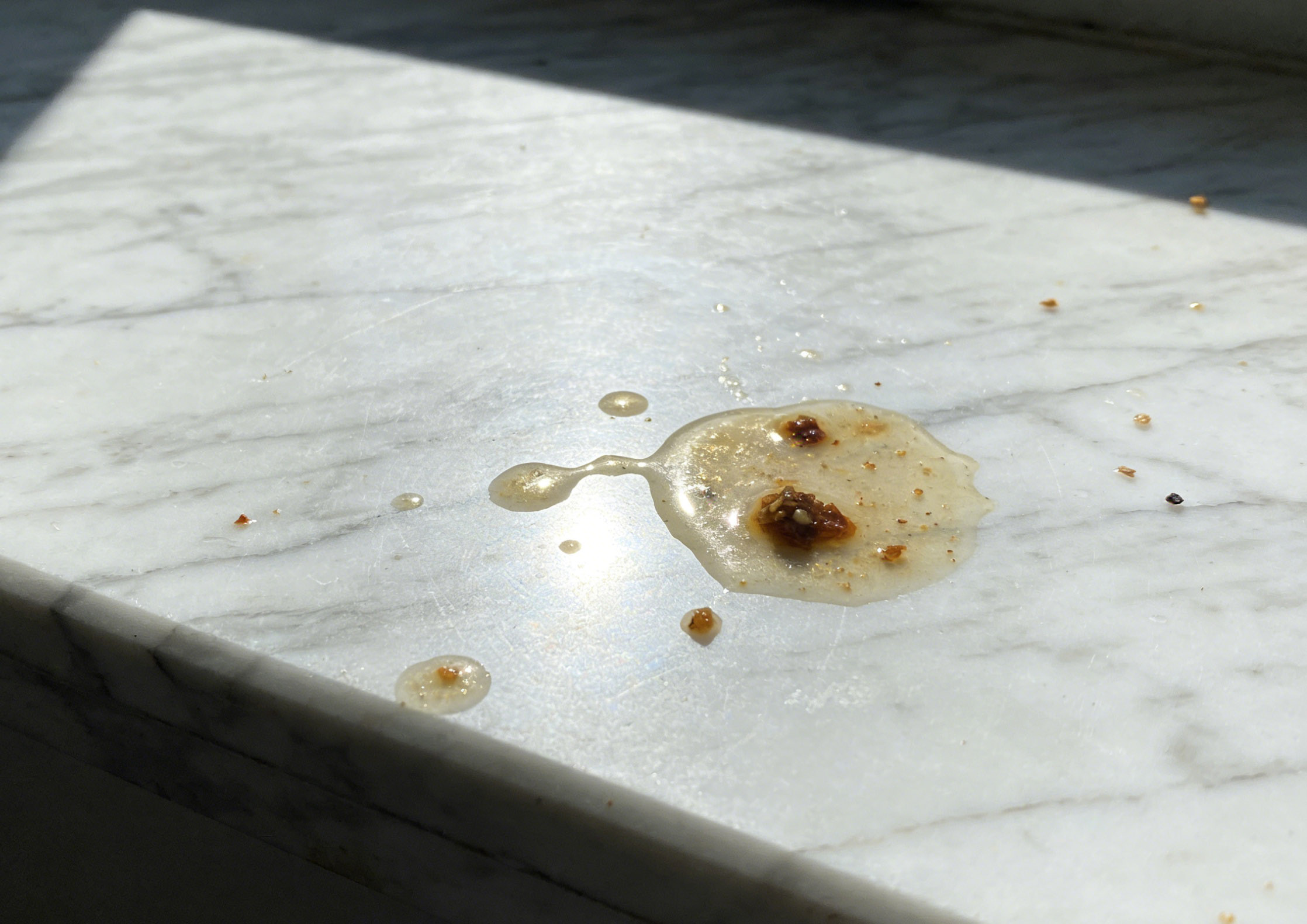
The microscopic pores of stone can absorb liquids and contaminants. Water-soluble or oil-soluble colored substances penetrate these pores, forming organic stains that are difficult to remove. Common sources of contamination include:

marble turning yellow

3. Yellowing
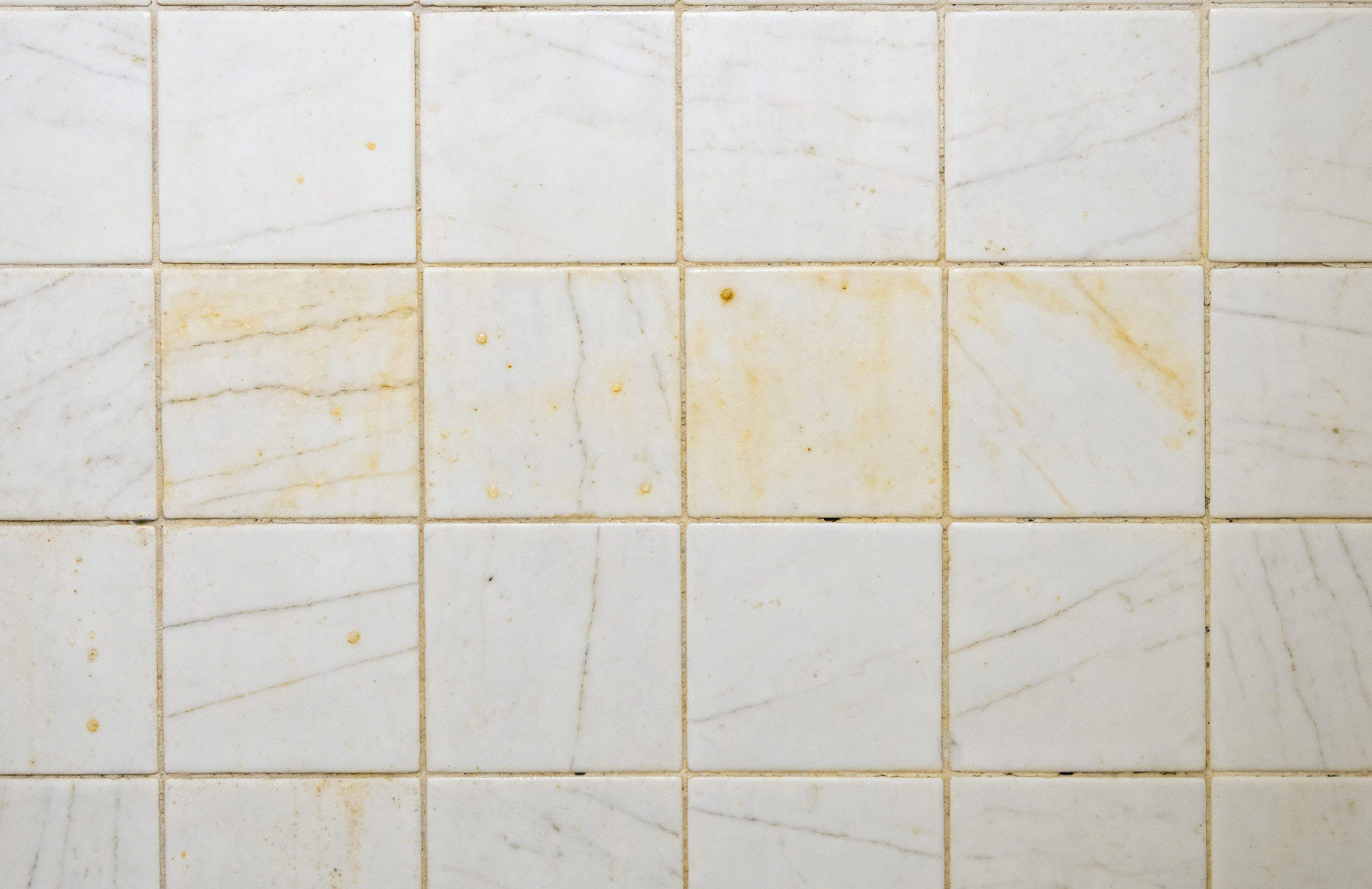
White marble (e.g., Arabescato Marble, Calacatta White MarbleVolakas Marble,Ariston White Marble ) is particularly susceptible to yellowing. The main causes include:

marble turning yellow

4. Color Variation
Color variation may arise from:

Conclusion
To ensure the beauty and longevity of white stone, strict control is necessary from material selection and protection to installation and maintenance. Choosing stable white marble, using dry-hanging or specialized adhesives to reduce efflorescence, applying comprehensive six-side protection before installation, and regularly maintaining with pH-neutral cleaners can significantly reduce the occurrence of the aforementioned quality defects.


keyboard_arrow_up