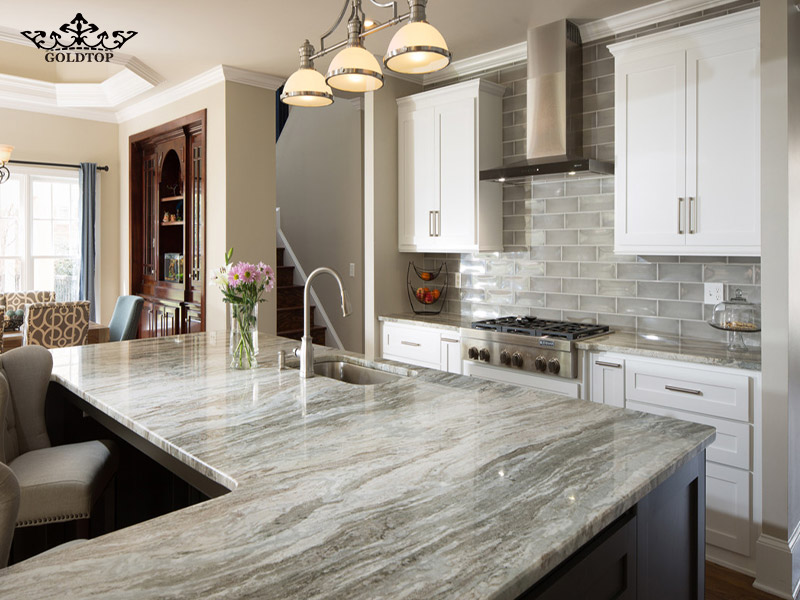
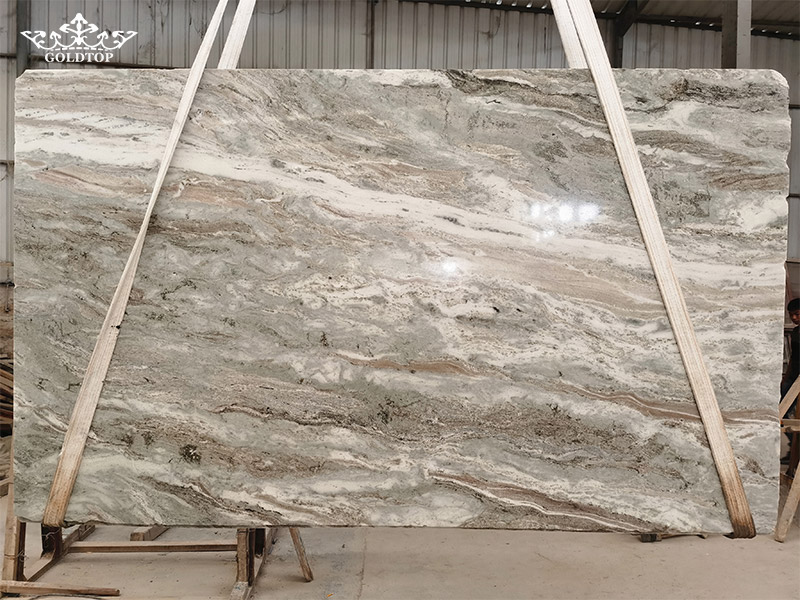
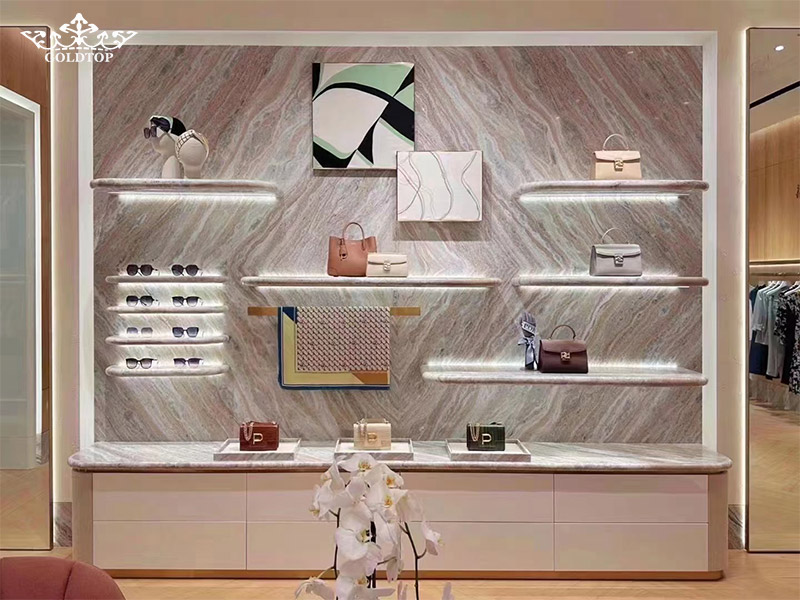
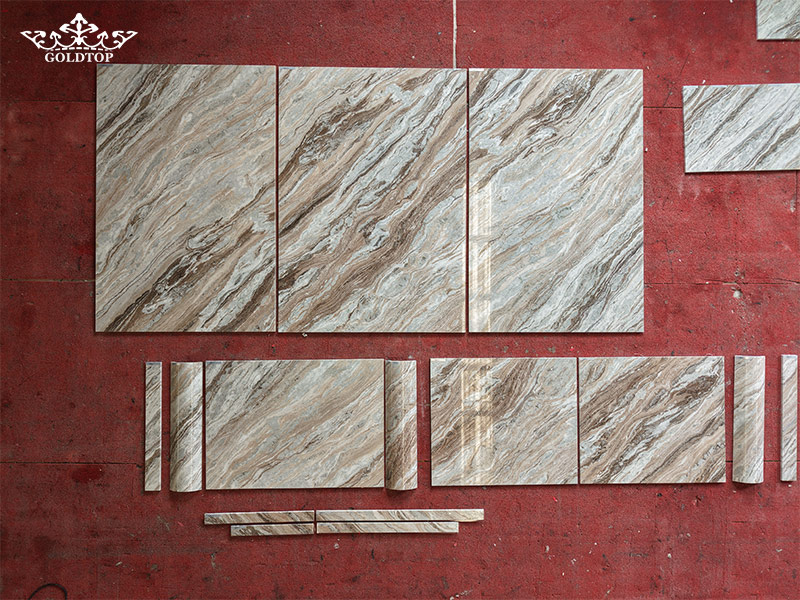
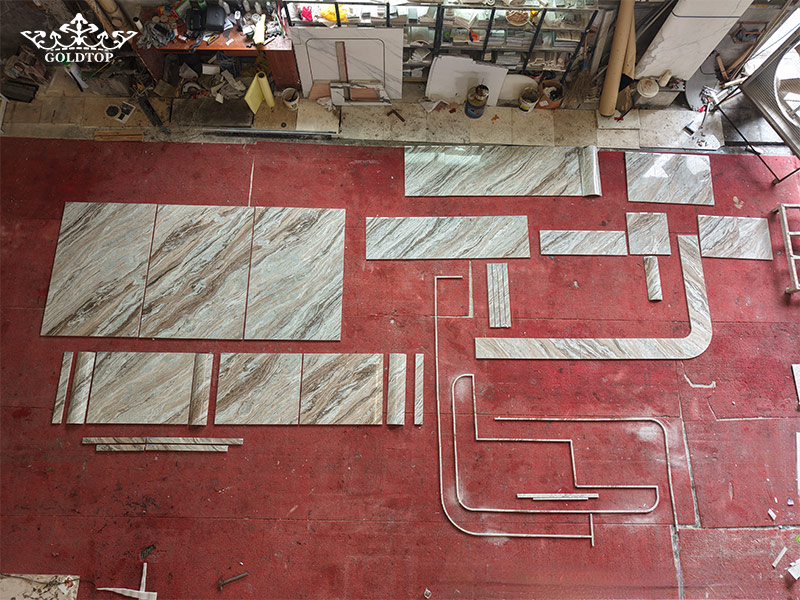
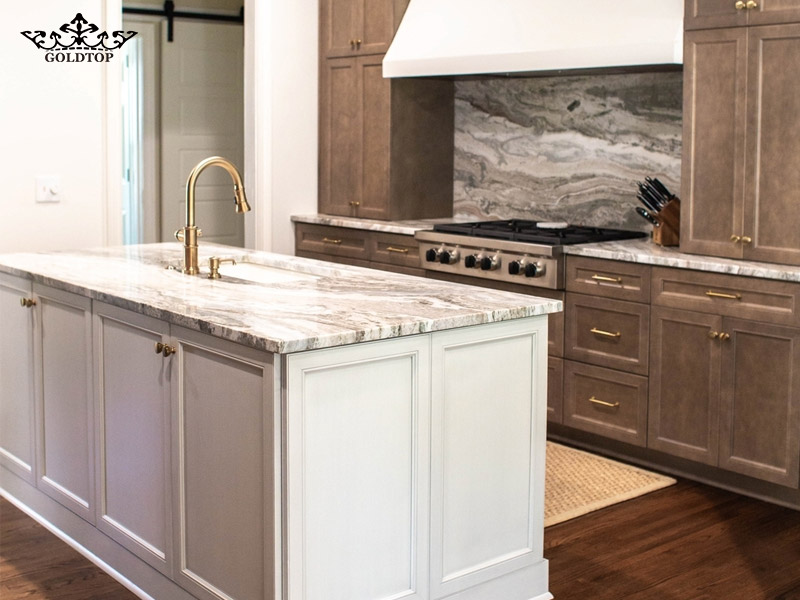
In contemporary architecture and interior design, the use of grey marble continues to grow, gradually evolving from a supporting material into a dominant element in spatial design.

In recent real-world projects, this trend has become increasingly evident. For example, in an industrial renovation project in Athens, large areas of grey stone were applied in lobbies and public spaces to enhance architectural unity. In a commercial renovation project in Paris, grey marble was used for flooring and structural zones, serving as a neutral base to highlight branding and spatial design. Meanwhile, in high-end residences in New York and modern apartments across Asia, designers tend to use lighter grey marble for flooring and bathrooms to create a cohesive and calming living environment.

These real cases indicate that:
Grey marble has evolved from a “decorative material” into a fundamental spatial material across both commercial and residential projects.


How to Choose the Right Grey Marble?

From practical project experience, different types of grey marble serve different purposes:

● Commercial spaces tend to favor darker grey stones with strong structure and visual stability

● High-end residential projects prefer lighter grey marbles with soft textures and natural tones

● Large-scale applications require materials with good consistency and continuity

This means:
Choosing the right material for the project is more important than simply choosing what’s trending.

Based on this, we’ve selected 10 grey marbles that are widely used and proven in real projects.


Top 10 Grey Marble Recommendations (2026)

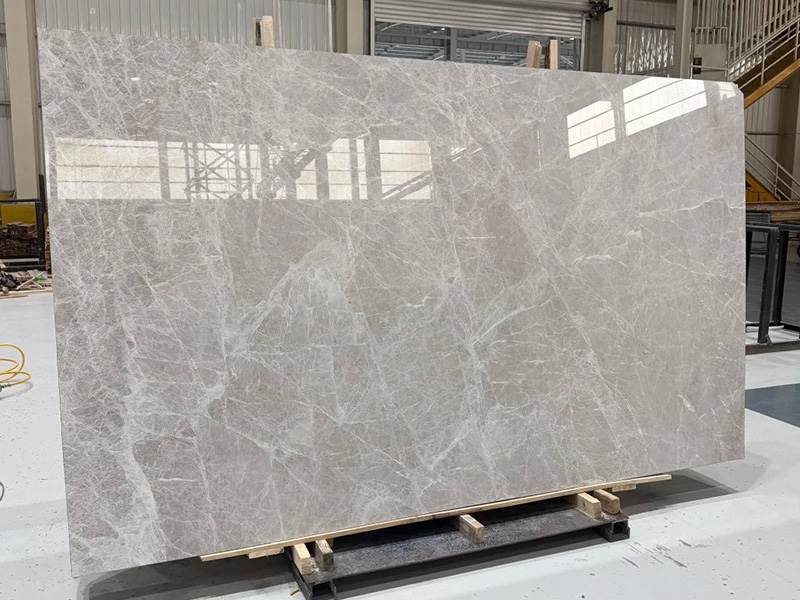
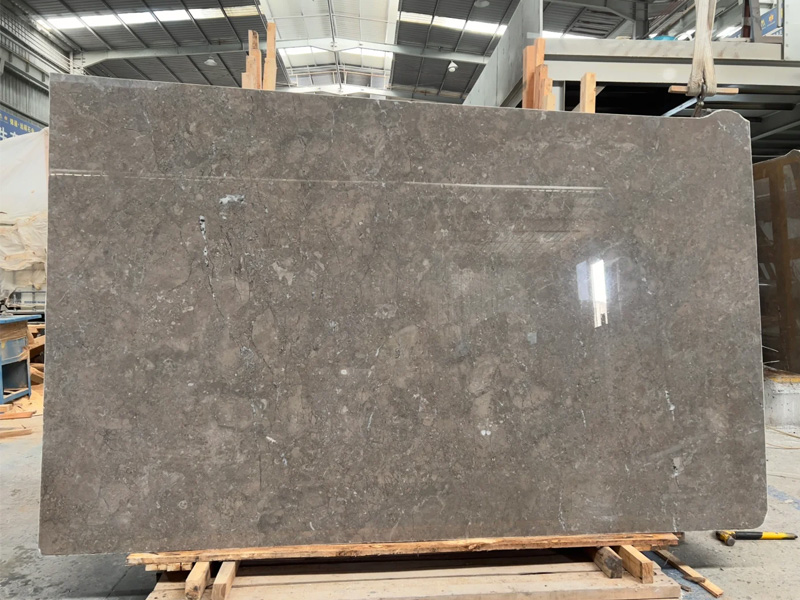
01 Castle Grey Marble

Castle Grey Marble


Keywords: Warm Grey / Cultural Texture / Unique Pattern

Castle Grey features a warm grey tone with subtle yellow undertones. It often presents lightning-like golden veins, and in some slabs, natural fossil traces can be found, giving it a classic and timeless appearance.

Applications: Ideal for feature walls, cultural spaces, and high-end interior projects.


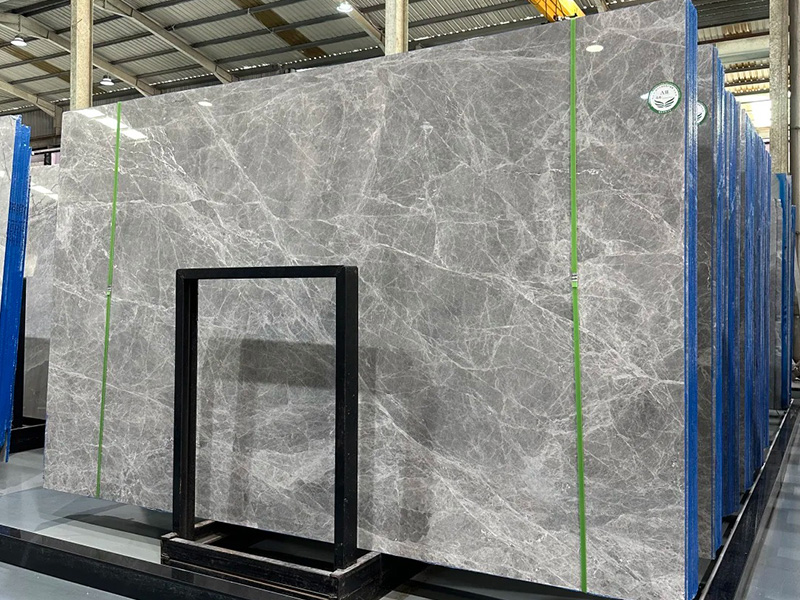
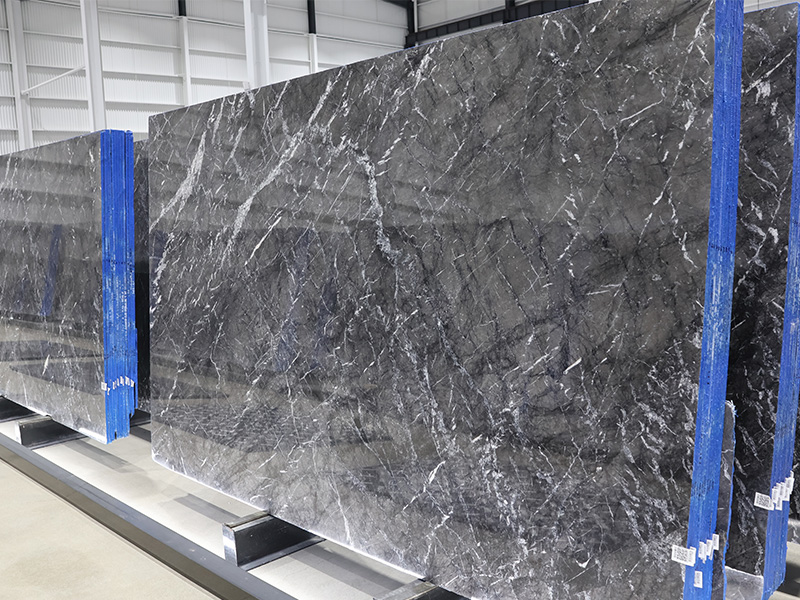
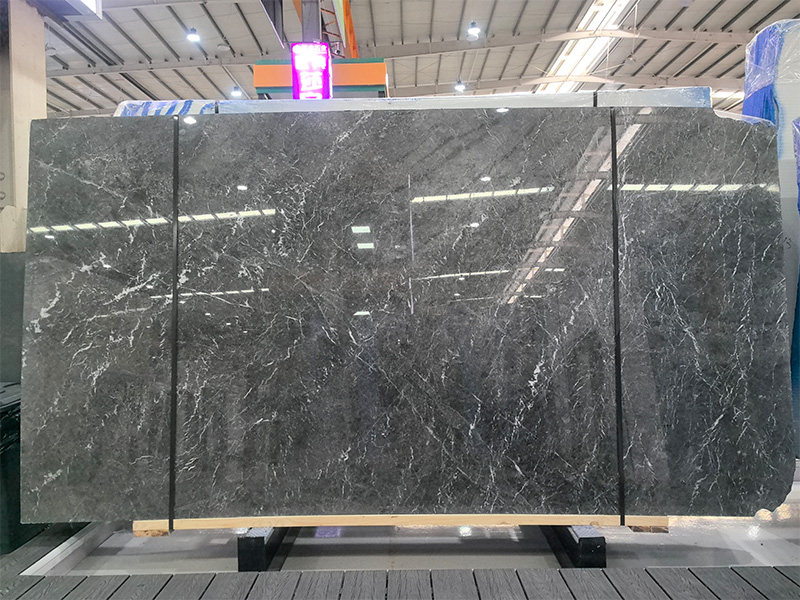
02 Hermes Grey Marble

Hermes Grey Marble


Keywords: Luxury Grey / Commercial Space / Minimalism

Hermes Grey comes with a blue-grey or dark grey base, combined with white veining or crack-like textures, offering a clean and refined visual effect.

Applications: Suitable for commercial flooring, wall cladding, kitchens, and bathrooms.


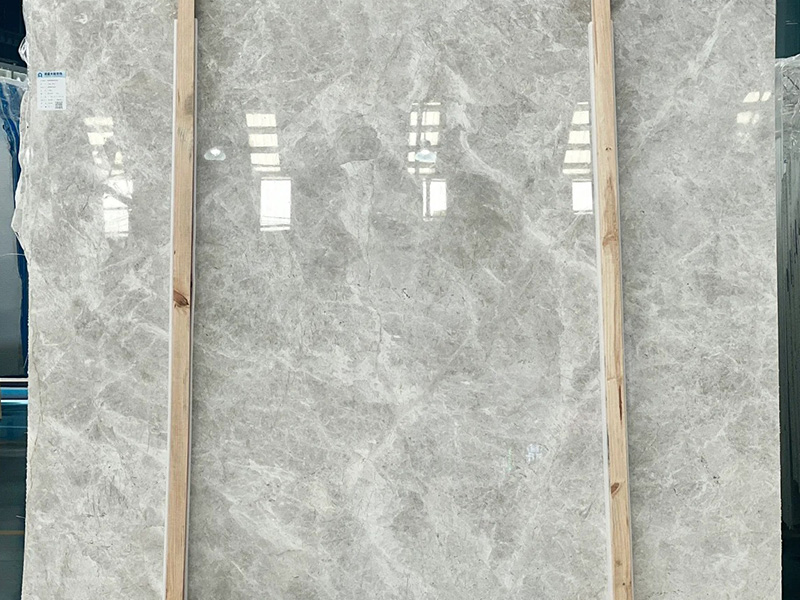
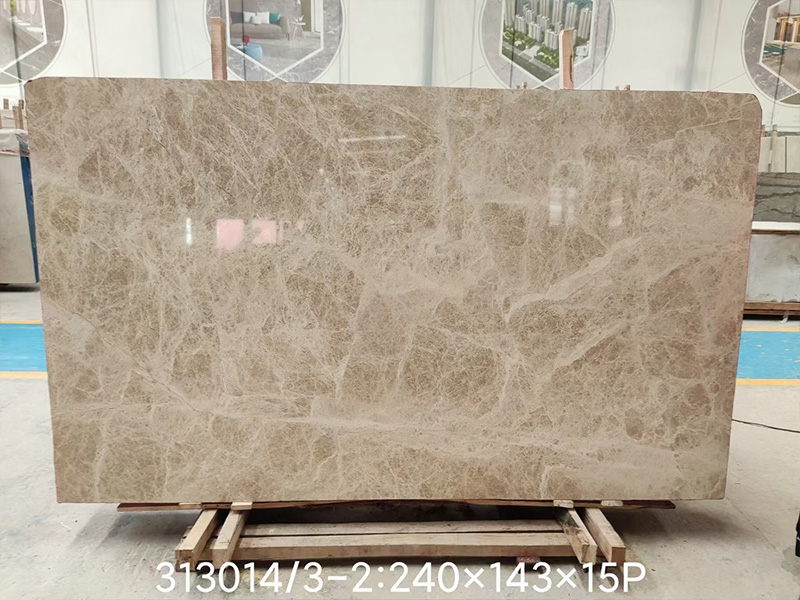
03 Tundra Grey Marble

Tundra Grey marble


Keywords: Soft Texture / Residential Use / Large Area

Tundra Grey is known for its cloud-like natural patterns and soft tones, available in both light and dark variations.

Applications: Perfect for flooring, bathrooms, and open-plan residential spaces.


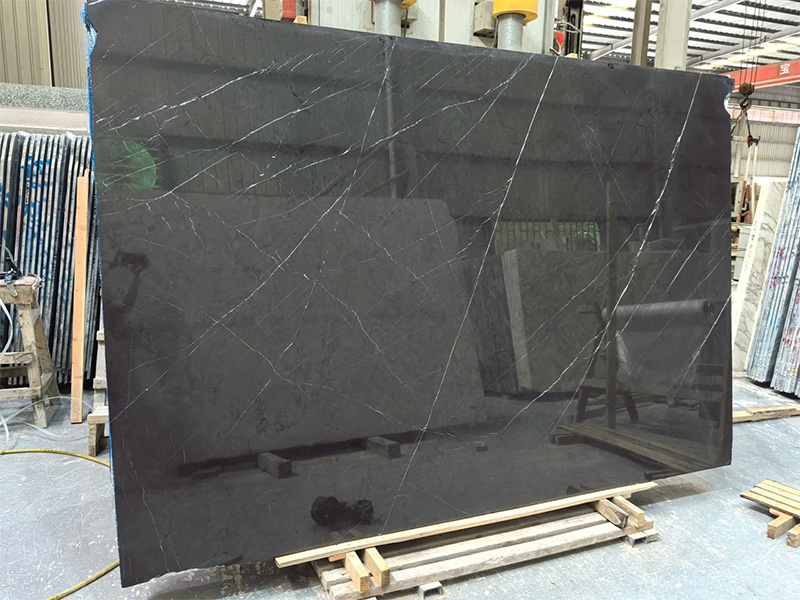
04 Pietra Grey Marble

Pietra Grey Marble


Keywords: Deep Grey / Structured Look / Architectural Use

Pietra Grey features a deep grey base with fine white veins, creating a strong and elegant visual presence.

Applications: Ideal for hotel lobbies, office buildings, and public areas.


05 Grigzo Carnico Marble

Grigzo Carnico Marble


Keywords: Bold Texture / Artistic Look / Statement Spaces

Grigzo Carnico Marble is characterized by its irregular and dramatic veining, offering strong visual impact and rich layering.

Applications: Best for feature walls, display areas, and artistic interiors.


06 Ultraman Grey Marble

Ultraman Grey Marble


Keywords: Neutral Tone / Versatile / Project-Friendly

Ultraman Grey shares a similar pattern structure with Ultraman Beige Marble, but with a grey tone, making it highly adaptable.

Applications: Suitable for apartments, residential developments, and large-scale projects.


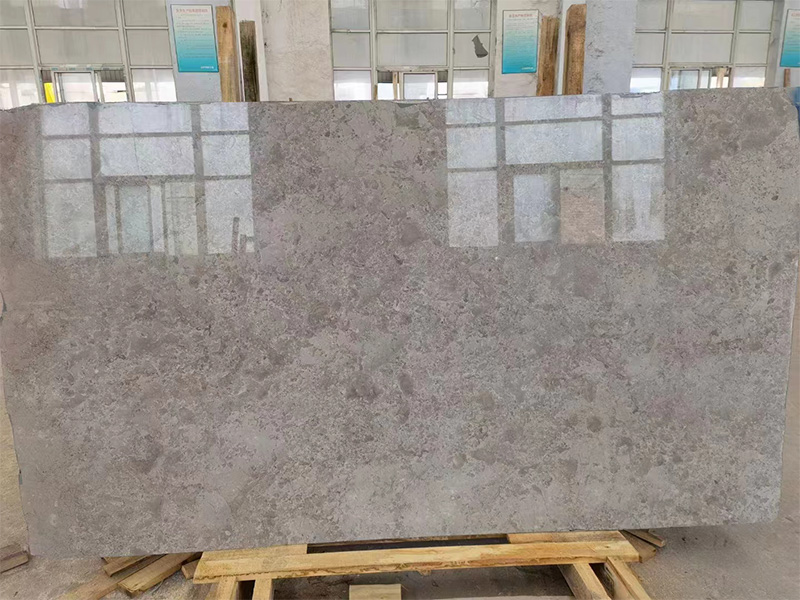
07 Cyprus Grey Marble

Cyprus Grey Marble


Keywords: Grey & White Contrast / Light Luxury / Classic Style

Cyprus Grey combines a grey base with white veining, creating a clean and elegant contrast.

Applications: Ideal for bathrooms, countertops, and residential interiors.


08 Modern Grey Marble

Modern Grey Marble


Keywords: Light Grey / Continuous Surface / Spatial Unity

Modern Grey features a light grey base with naturally scattered white veins, offering a warm and cohesive look.

Applications: Perfect for living room flooring and open-plan spaces.


09 Star Gray Marble

Star Gray Marble


Keywords: Refined Texture / Custom Projects / Subtle Luxury

Star Gray Marble presents a balanced grey tone with delicate and refined veining, delivering a subtle yet premium feel.

Applications: Suitable for custom furniture, bathrooms, and high-end interiors.


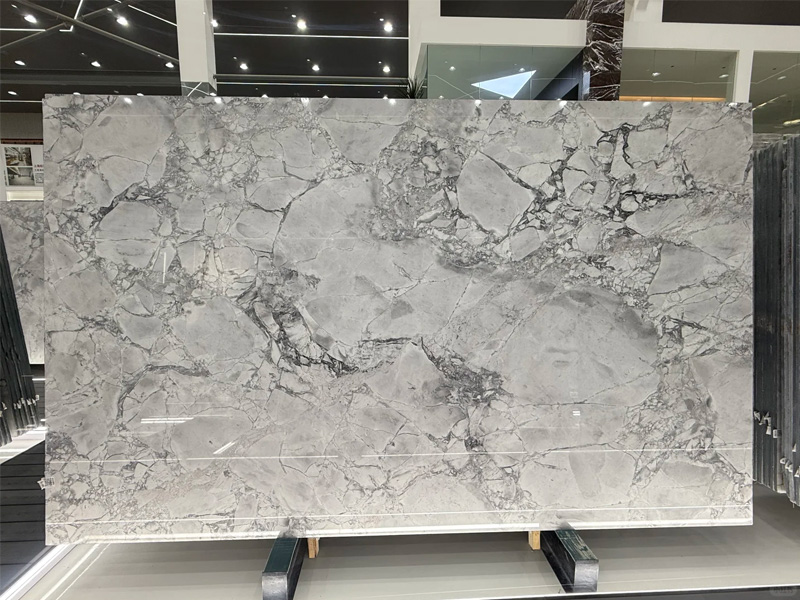
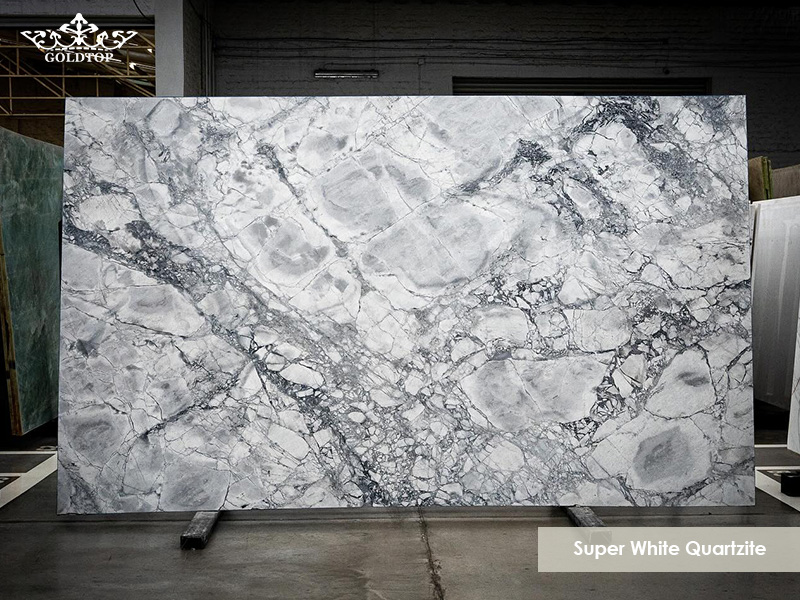
10 Super White Quartzite

Super White Quartzite


Keywords: Classic Veining / Multi-Application / Natural Flow

Super White Quartzite features patterns similar to Calacatta White Marble, with flowing grey veins and a bright, elegant appearance.

Applications: Ideal for countertops, walls, and flooring in various spaces.


3 Key Grey Marble Trends for 2026

Based on these project applications, three major trends can be identified:

◆ From “Color Selection” to “Texture Expression”

Designers are no longer focusing only on the color grey itself, but increasingly on natural textures and visual depth.

◆ From “Accent Material” to “Large-Scale Application”

Grey marble is now widely used across floors, walls, and even entire spaces to create visual consistency.

◆ From “Single Style” to “Multi-Scenario Adaptability”

Grey marble is now suitable for a wide range of spaces, from commercial projects to residential and apartment designs.


Conclusion

As design trends evolve, grey marble is no longer just a stylistic choice, but a fundamental material in spatial design. From commercial projects to residential interiors, its application continues to expand.

For designers and project buyers:
Choosing the right grey marble is not just about material selection—it is an essential part of spatial expression.


Quartzite Trends 2026: Popular Colors, Styles & Design Ideas


Quartzite Trends 2026: Popular Colors, Styles & Design Ideas

As demand for premium materials continues to grow in residential and commercial projects, quartzite is quickly becoming one of the most preferred natural stones.

From 2025 into 2026, the shift is clear: Quartzite is no longer just an alternative to marble or granite — it is becoming a mainstream design material.

So, what quartzite styles and colors will dominate in 2026


1. Market Insight: Quartzite Demand Is Rising

Recent industry trends show a strong upward trajectory for quartzite:

● Designers are increasingly choosing quartzite over marble

● Developers are specifying quartzite in multi-family and high-end residential projects

● More projects are prioritizing natural aesthetics + durability

Why quartzite?
✔ Natural veining similar to marble
✔ Higher hardness and durability
✔ Better performance for high-use areas


2. Key Quartzite Trends for 2026 

1. Warm Tones Are Taking Over

Beige, cream, and soft gold tones are replacing cooler whites

2. Stronger Natural Veining

◆ Flowing patterns  ◆ Bookmatched slabs  ◆ Becoming a key design feature

3. Matte & Textured Finishes

◆ Honed  ◆ Leathered

More natural look, easier maintenance

4. From Countertops to Statement Surfaces

Quartzite is now widely used for:

◆ Kitchen islands  ◆ Feature walls  ◆ Full-height applications


3. Popular Quartzite Types in 2026 

Below are the most relevant quartzite categories based on current trends and project demand.


1. Warm White & Beige Quartzite (Top Trend for 2026)

Representative options:

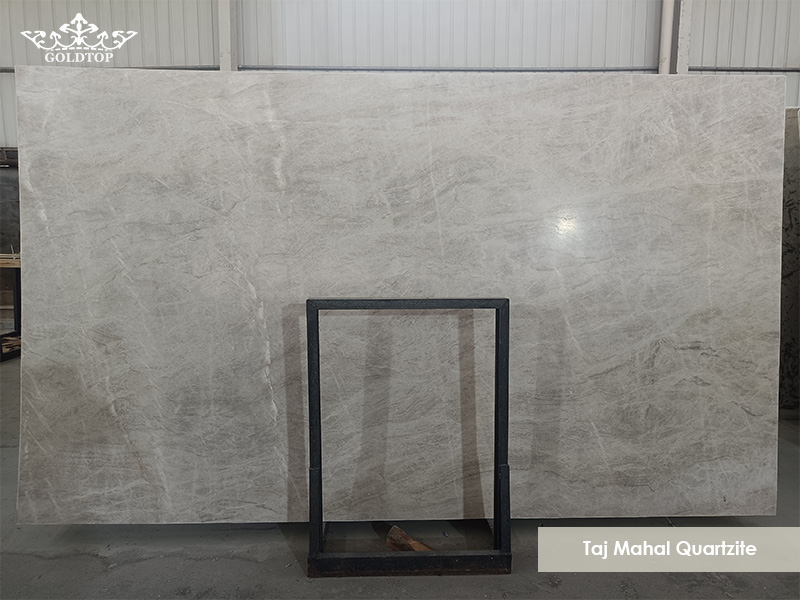
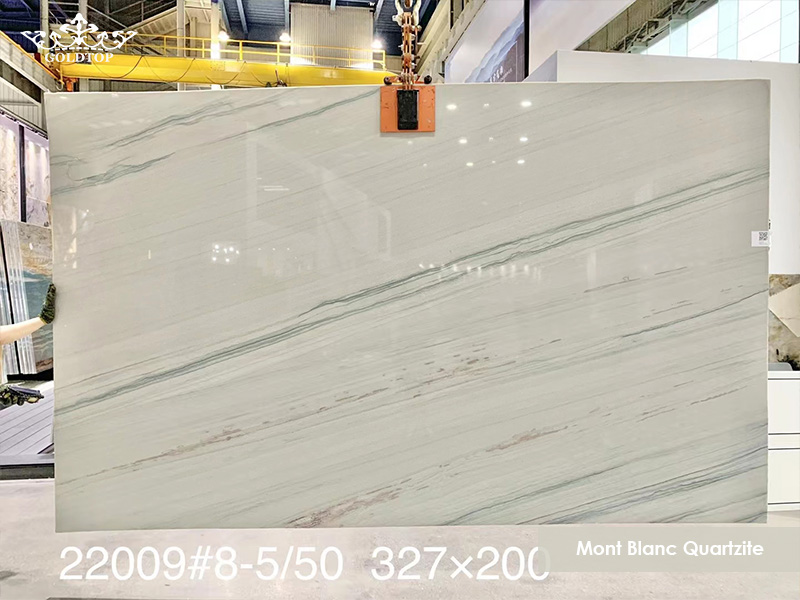
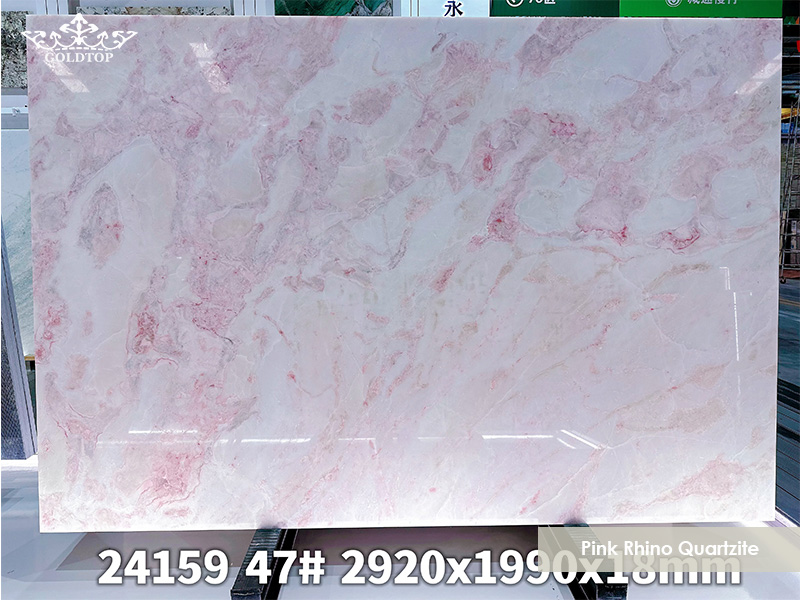
★ Taj Mahal Quartzite  ★ Mont Blanc Quartzite  ★ Pink Rhino Quartzite


Taj Mahal Quartzite


Mont Blanc QuartzitePink Rhino Quartzite

Available in slabs & cut-to-size for projects


Key features:

● Soft, warm tones (cream, beige)  ● Subtle, elegant veining  ● Timeless and highly versatile

Best for:

◆ Multi-family projects  ◆ Modern kitchens  ◆ Large-scale applications


2. Translucent White Quartzite (Luxury Segment)

Representative option:

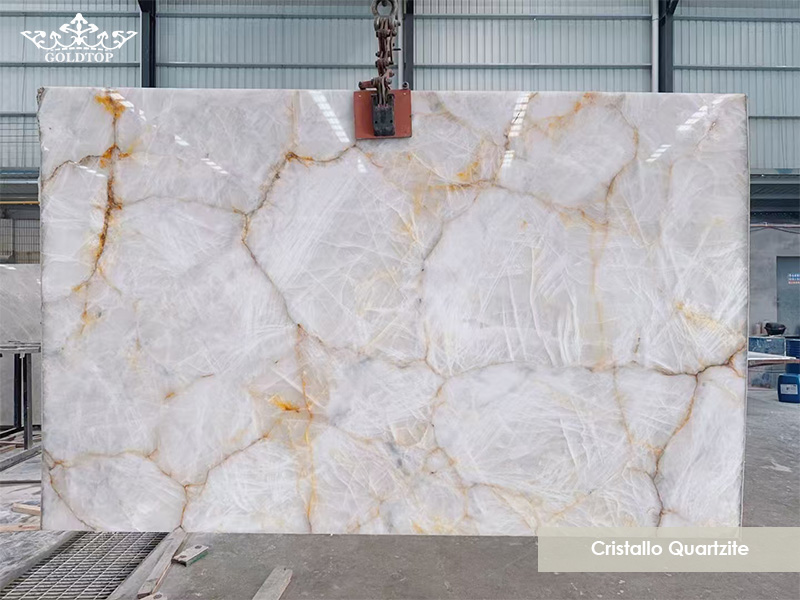
★ Cristallo Quartzite


Cristallo Quartzite

Available in slabs & cut-to-size for projects


Key features:

● Translucent effect  ● Crystal-like appearance  ● High-end visual impact

Best for:

◆ Luxury residential projects  ◆ Backlit islands or feature areas


3. Grey Quartzite (Stable & Practical Choice)

Representative option:

★ Super White Quartzite


Super White Quartzite

Available in slabs & cut-to-size for projects


Key features:

● Grey-white veining  ● Marble-like look with better durability

Best for:

◆ Commercial spaces  ◆ Minimalist interiors


4. Exotic & Dramatic Quartzite (Design-Driven Trend)

Representative options:

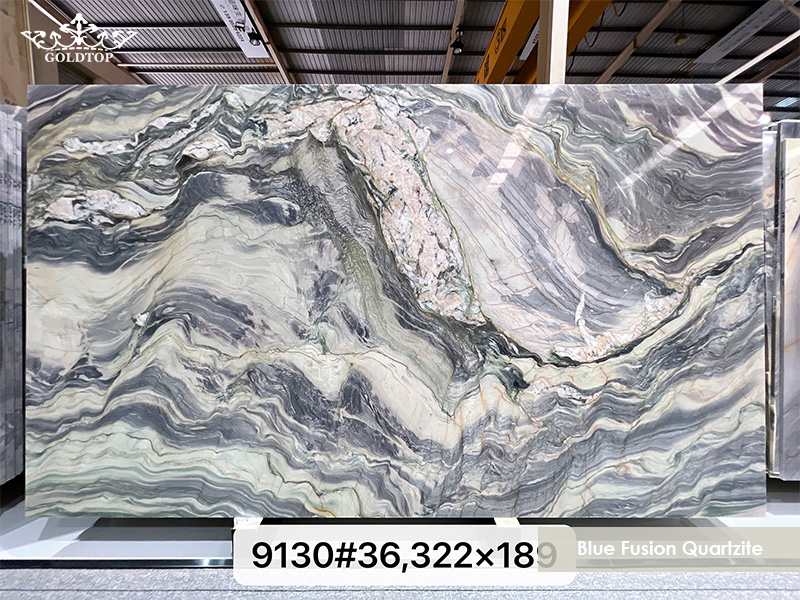
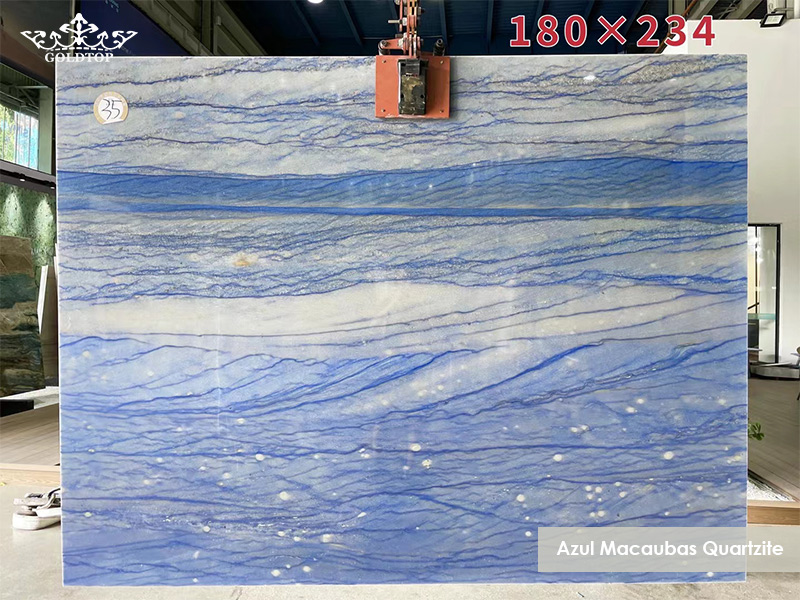
★ Patagonia Quartzite  ★ Fusion Quartzite  ★ Azul Macaubas Quartzite


Patagonia Quartzite


Blue Fusion QuartziteAzul Macaubas Quartzite

Available in slabs & cut-to-size for projects


Key features:

● Bold patterns  ● High contrast  ● Each slab is unique

Best for:

◆ Statement walls  ◆ Luxury interiors  ◆ Hospitality projects


5. Gold & Brown Quartzite (Warm Luxury Trend)

Representative options:

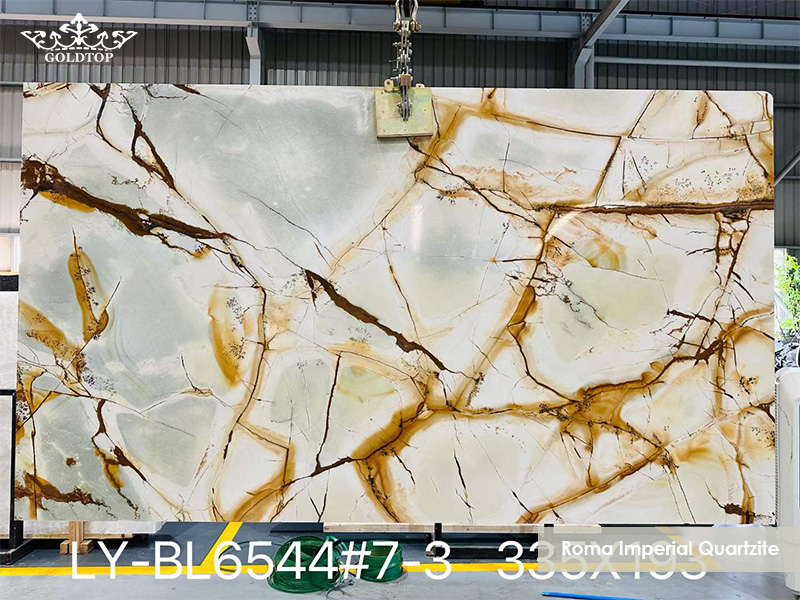
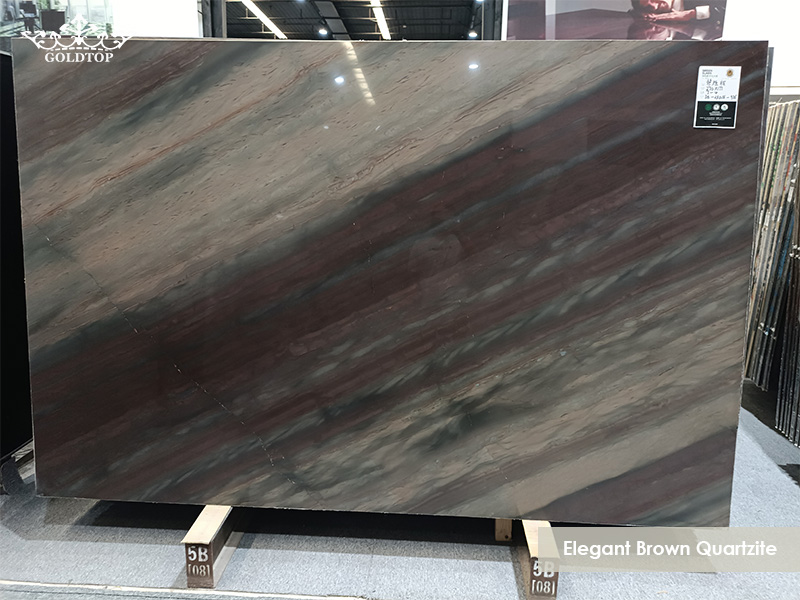
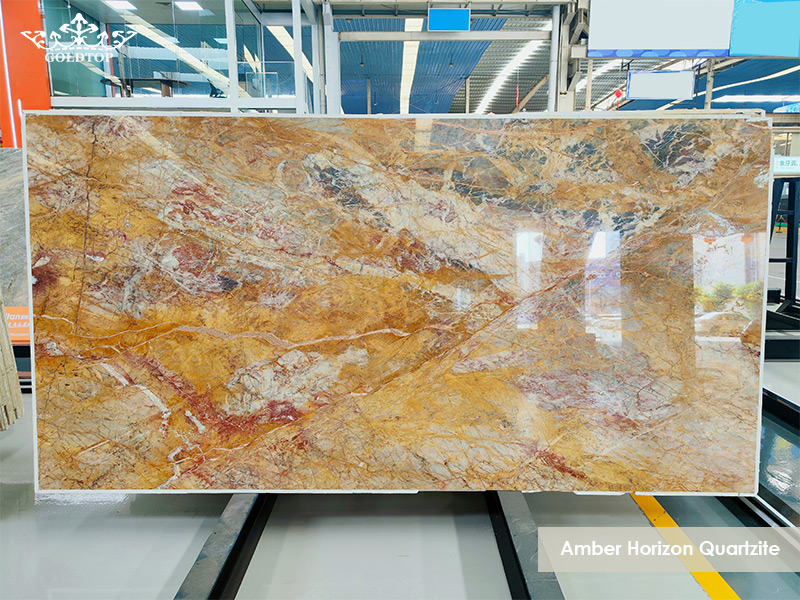
★ Roma Imperial Quartzite  ★ Elegant Brown Quartzite  ★ Amber Horizon Quartzite


Roma Imperial Quartzite


Elegant Brown QuartziteAmber Horizon Quartzite

Available in slabs & cut-to-size for projects


Key features:

● Warm, rich tones  ● Premium and elegant look

Best for:

◆ High-end residential  ◆ Transitional and luxury styles


6. Green Quartzite (Emerging Niche Trend)

Representative options:

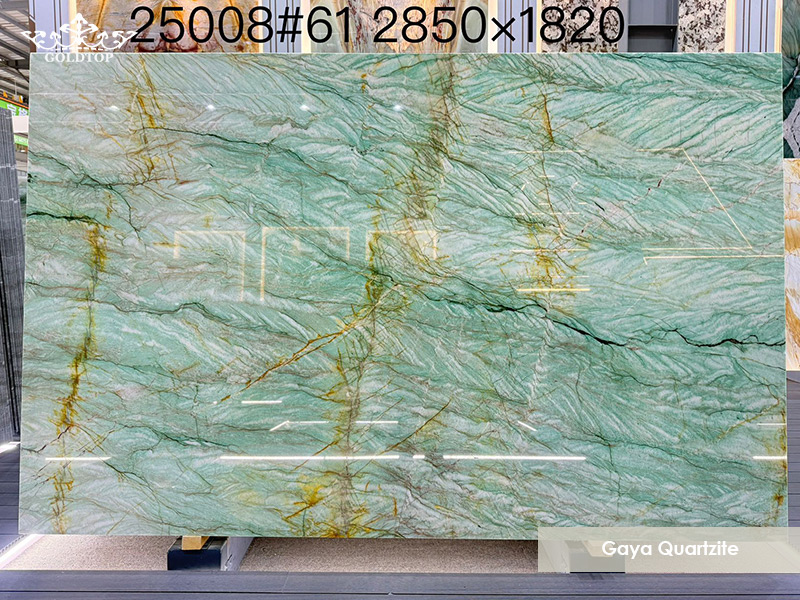
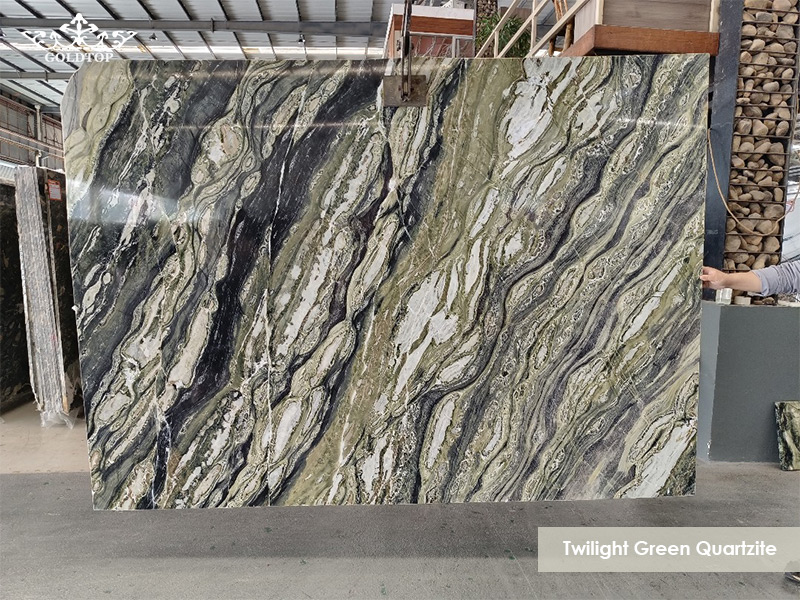
★ Gaya Quartzite  ★ Twilight Green Quartzite


Gaya Quartzite Twilight Green Quartzite

Available in slabs & cut-to-size for projects


Key features:

● Natural, organic tones  ● Unique and design-forward

Best for:

◆ Custom design projects  ◆ Feature applications


4. Trend Summary

In 2026, quartzite can be defined in one phrase:

“Natural Luxury with Performance”

Key directions:

● Warmer colors  ● More expressive veining  ● Stronger role in overall design


5. Recommendations for Project Buyers

If you are:

● Cabinet manufacturers  ● Developers / multi-family builders  ● Stone importers

You should focus on:

✔ Warm-tone quartzite inventory
✔ Large slab availability
✔ Bookmatching & fabrication capabilities
✔ Stable supply for projects


6. Conclusion

Quartzite is entering a new phase:

 Not just a material — but a design statement

Its balance of natural beauty and durability makes it one of the most important materials for upcoming projects.


Looking for trending quartzite for your next project?
We supply a wide range of quartzite slabs and cut-to-size solutions for residential and commercial applications.

Contact us to get:

Latest quartzite collections  Project quotations  ▶ Sample support

This article is based on 2025–2026 North American kitchen & bath industry reports, design trend studies, and stone supply chain insights.


Does Natural Stone Fade?

A practical guide to marble, granite, and long-term color performance


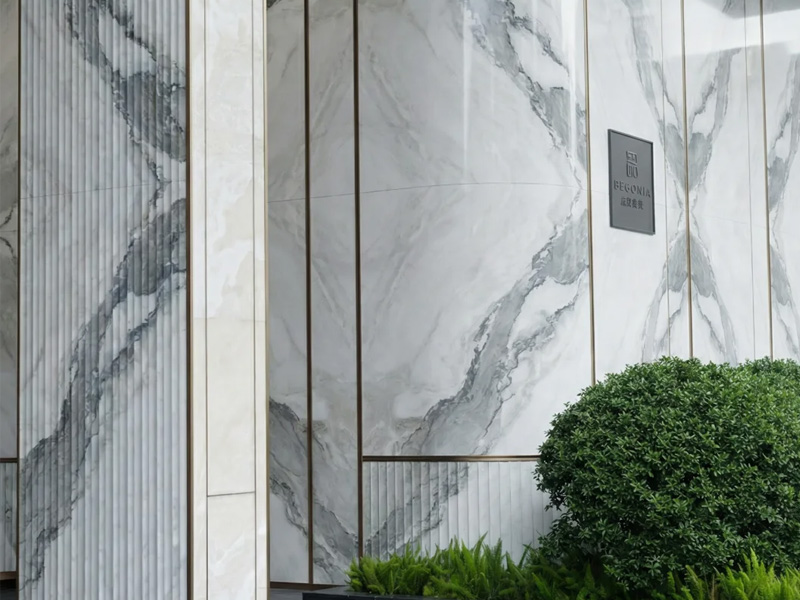
marble hotel lobbymarble hotel lobby


Natural stone is widely valued for its timeless beauty, but one question often comes up in both residential and commercial projects: does natural stone fade over time?

The short answer is: yes—but not all stone behaves the same, and the reasons are more complex than simple “fading.” Understanding the science behind stone composition helps explain what really happens.


Why Natural Stone Can Change Color

Natural stone is not chemically inert. Its appearance can evolve due to environmental exposure, mineral composition, and chemical reactions.

1. Marble: More Reactive, More Vulnerable


fendi white marble wall


Marble is primarily composed of calcite (CaCO₃) and sometimes dolomite (CaMg(CO₃)₂). These minerals contain carbonate ions, which are relatively reactive. When exposed to air and moisture, especially in outdoor environments, marble can undergo:

Reaction with sulfur dioxide (SO₂) in the atmosphere

→ forming gypsum (CaSO₄·2H₂O), which appears as a dull, cloudy layer on the surface

Interaction with water

→ forming calcium bicarbonate (Ca(HCO₃)₂), which can dissolve and later recrystallize

These processes lead to:

Surface dulling→ Loss of polishGradual lightening or uneven discoloration

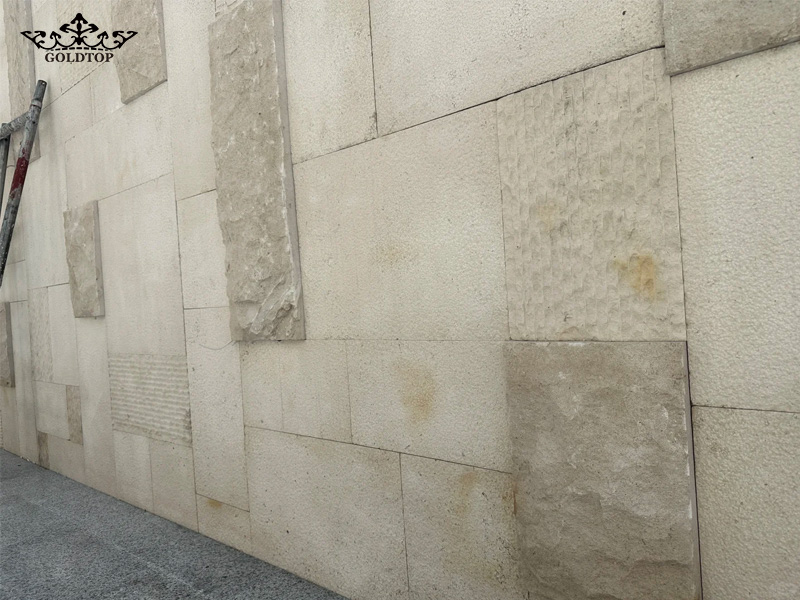
This is why marble is generally not recommended for exterior applications. In many cases, marble used on façades may show noticeable fading or weathering within 2–3 years.


2. Granite: More Stable, But Not Immune


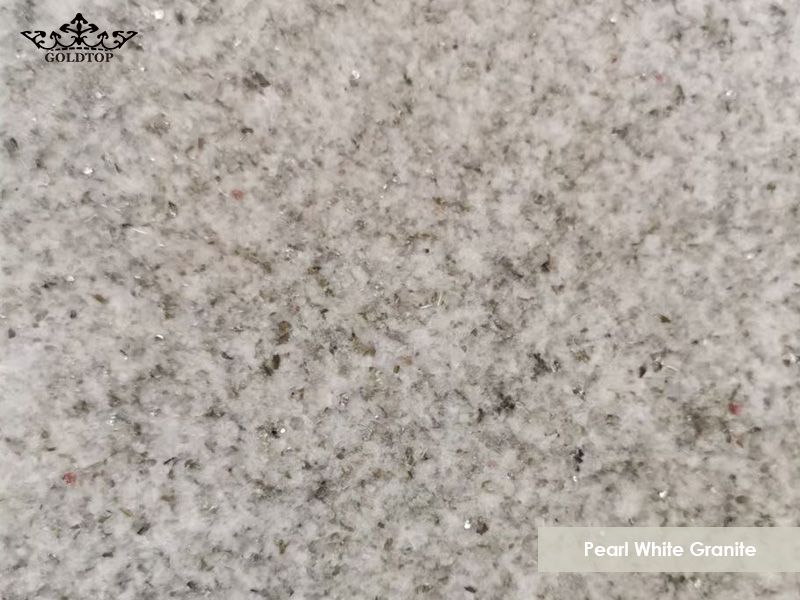
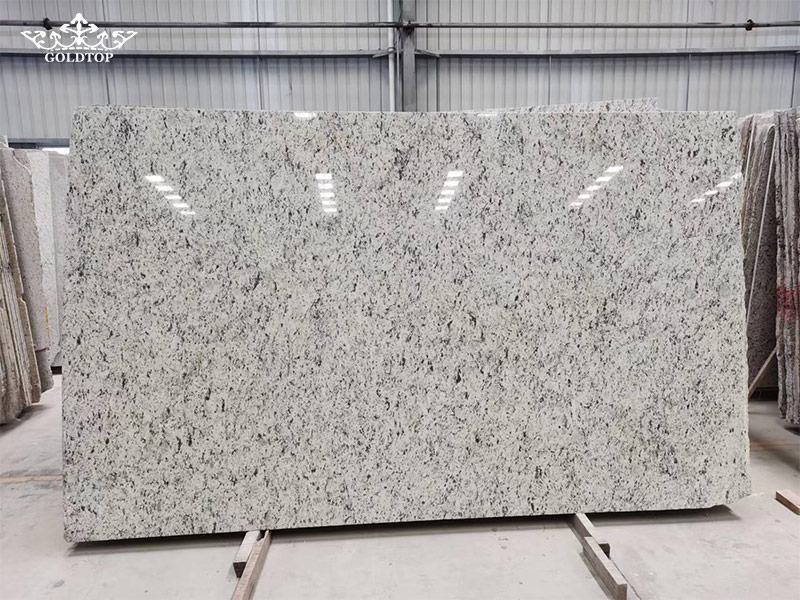
pearl white granite


Compared to marble, granite is significantly more stable.

Granite is an igneous rock composed mainly of:

◆ Feldspar  Quartz  Mica  Amphibole or pyroxene

These are silicate minerals, built on a strong silicon-oxygen tetrahedral structure, which gives granite:

★ High chemical stability

★ Strong resistance to acids

★ Excellent weather resistance

Because of this, granite is often described as “non-fading” in practical terms.

However, that’s not entirely absolute.


3. Long-Term Changes Still Happen


natural material is completely immune to change


No natural material is completely immune to change—not even granite.

Over very long periods, stone can undergo:

◆ Weathering   Hydrothermal alteration   Mineral transformation

For example:

● Feldspar and mica can transform into kaolinite (clay minerals) or limonite

● Pyroxene may alter into epidote or chlorite

● Olivine can become serpentine or magnesite

These transformations can eventually affect color and texture.

That said:

These changes occur over extremely long geological timescales—often far beyond the lifespan of buildings or human observation.


So, Does Natural Stone Fade?

Here’s a practical summary:

Material Fading Risk Main Cause Typical Timeline
Marble High Chemical reaction & weathering 2–3 years (outdoor visible change)
Granite Low Very slow mineral alteration Decades to centuries


Key Factors That Influence Fading

Regardless of stone type, several external factors accelerate visible changes:

● UV exposure (sunlight)

● Air pollution (SO₂, acid rain)

● Moisture and humidity

● Surface finish (polished vs honed)

● Maintenance and sealing

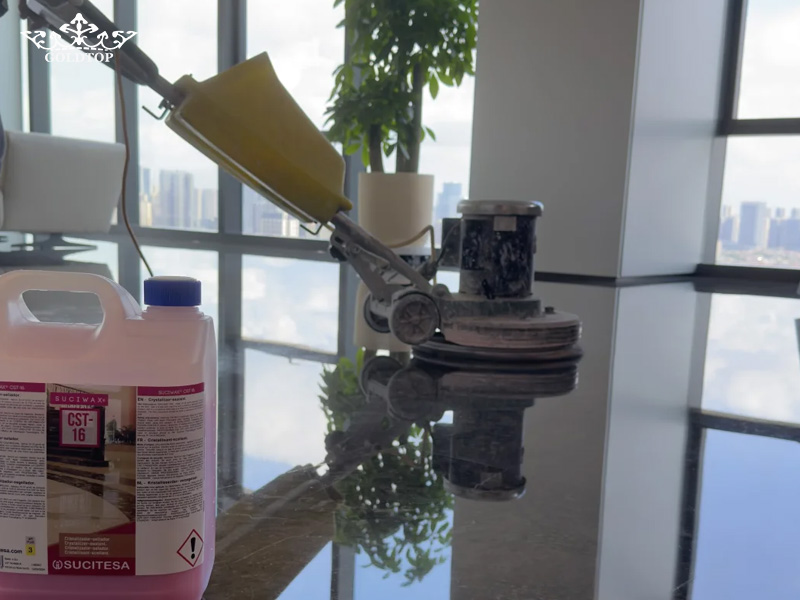
Proper sealing and maintenance can significantly slow down visible fading.


How to Minimize Fading


natural stone How to Minimize Fading


To preserve the original appearance of natural stone:

● Use marble indoors, especially for countertops, walls, and vanities

● Choose granite or quartz for exterior applications

● Apply a high-quality stone sealer

● Perform regular cleaning and maintenance

● Avoid prolonged exposure to harsh chemicals or acidic environments


FAQ

How long will marble last?

Marble can last decades or even centuries when properly maintained, especially in indoor environments. However, its surface appearance may change over time if exposed to moisture, acids, or outdoor conditions.

Does marble fade over time?

Yes. Marble can lose its polish and appear lighter or duller, especially when exposed to air pollutants, moisture, and outdoor weathering.

How often should I reseal a natural stone?

Typically, natural stone should be resealed every 6–12 months, depending on usage, exposure, and stone type. High-traffic or wet areas may require more frequent sealing.

Does marble fade in sunlight?

Yes. Prolonged exposure to UV rays and heat can accelerate surface degradation, leading to fading or discoloration—especially in outdoor or sun-exposed areas.


If you're selecting materials for a project and want long-term color stability, choosing the right stone—and using it in the right environment—is just as important as the design itself.

Explore our natural stone product range and real project case studies to see how different materials perform in actual applications. Whether you're working on residential, hospitality, or multi-family developments, our team can help you choose the most suitable solution.

Contact us today for material recommendations, free samples, and project support.


In high-end interior design, natural stone is more than just a material—it is a form of visual expression. Especially in focal areas such as TV feature walls, hotel lobbies, and villa living spaces, the use of marble bookmatch transforms natural stone patterns into unique works of art.

From the classic panda white marble bookmatch to the luxurious and bold calacatta gold marble bookmatch, these applications continue to redefine spatial aesthetics.
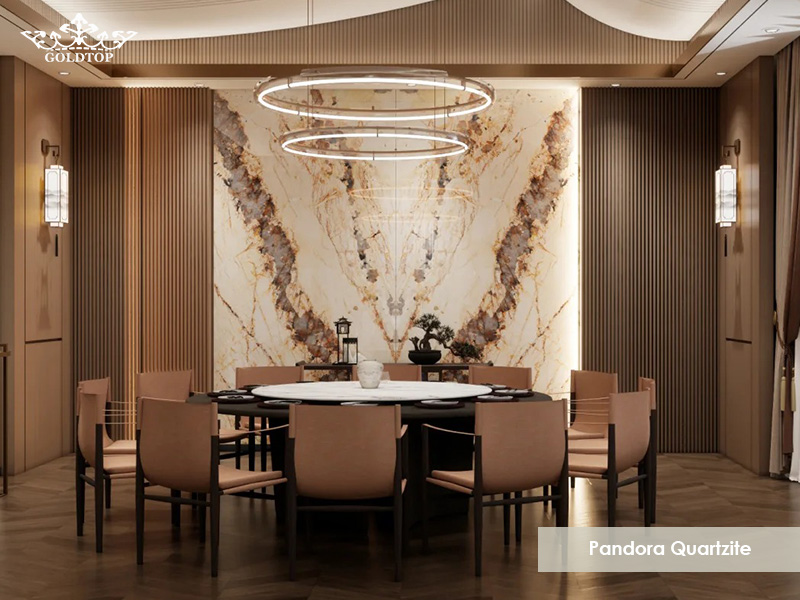
 

pandora quartzite bookmatching


What is Marble Bookmatch?

Marble bookmatch refers to the process of cutting a single block of stone into consecutive marble bookmatch slabs, then arranging them in a mirrored layout—like the pages of an open book—to create symmetrical patterns. The final effect is often visually striking, resembling a piece of natural artwork.


Common Marble Pattern Matching Methods

1. Bookmatch (Two-Way Matching)

This is the most classic application of book match marble tiles, where two slabs are mirrored.

Features:  ◇ Strong visual focal point  ◇ Patterns resemble butterfly wings or landscape paintings  ◇ Commonly used in white marble bookmatch and black book match marble

Typical materials:

★ panda white marble bookmatch ★ black calacatta bookmatch
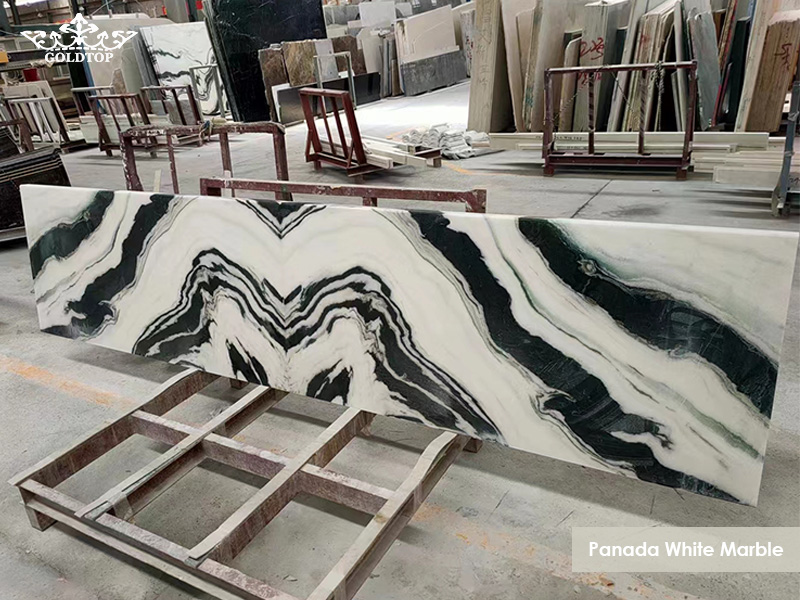
 

panda white marble bookmatch


2. Quad Match (Four-Way Matching)

An extension of bookmatching, creating more complex geometric layouts such as:  ◇ Diamond shapes  ◇ Radial patterns  ◇ Kaleidoscopic effects

Common applications:

▶ Luxury hotel lobbies

▶ Large-scale bookmatched marble wall

Typical materials:

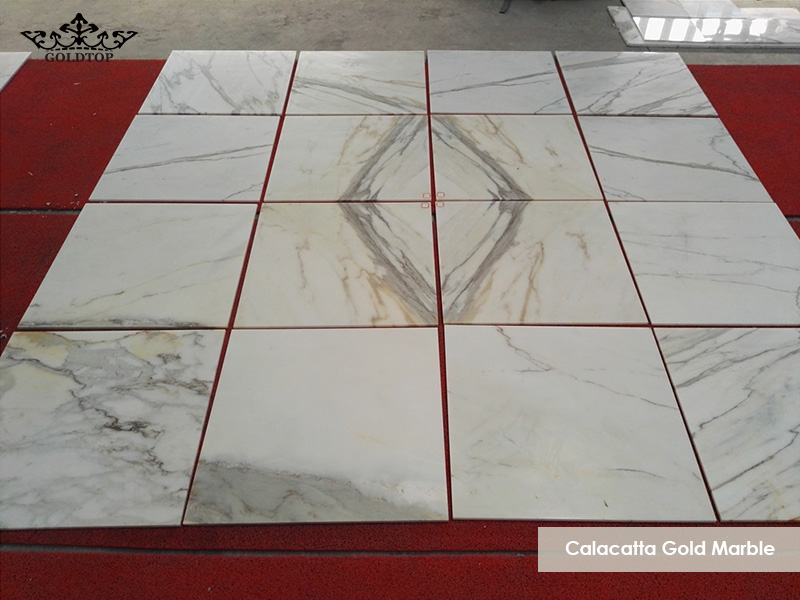
★ calacatta marble bookmatch

★ calacatta gold marble bookmatch

★ Athens Black Gold Marble bookmatch
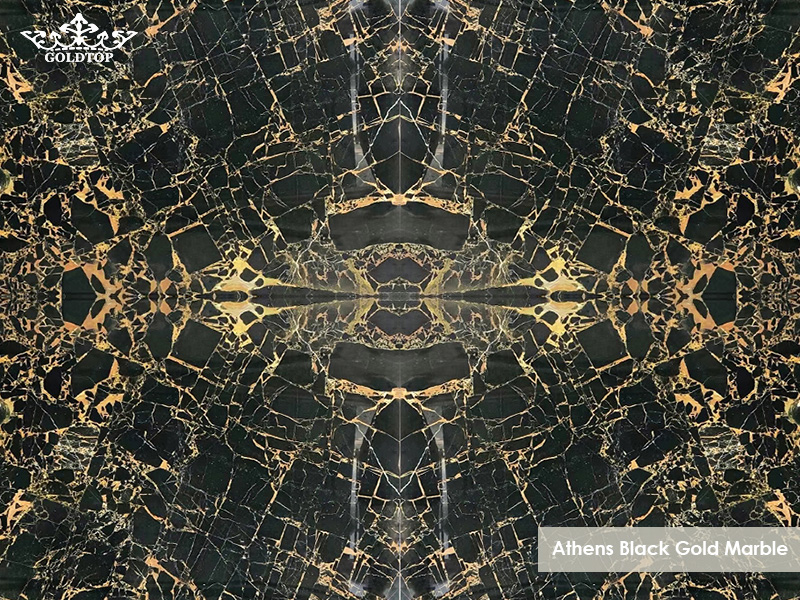
 

Athens Black Gold Marble bookmatch Calacatta Gold Marble Bookmatch


3. Vein Matching

This method follows the natural cutting sequence of the stone to maintain continuous veining.

Features:  ◇ Natural flow  ◇ Strong sense of spatial continuity  ◇ Ideal for flooring and long wall applications

Applicable products:

▶ book matched marble slabs

▶ book matched marble tiles

▶ book matched marble stair
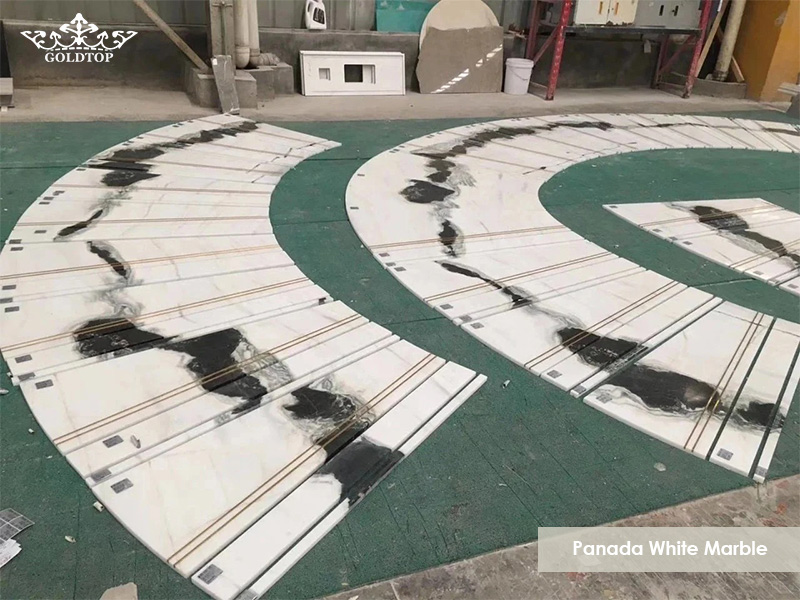
 

panda white marble vein matching


4. Random Pattern Matching

Favored in modern minimalist design, this method emphasizes natural randomness.

Features: ◇ No intentional symmetry  ◇ Closer to the raw beauty of nature  ◇ Requires high-level design and layout expertise

If not executed properly, it may compromise the overall aesthetic, making craftsmanship critical.
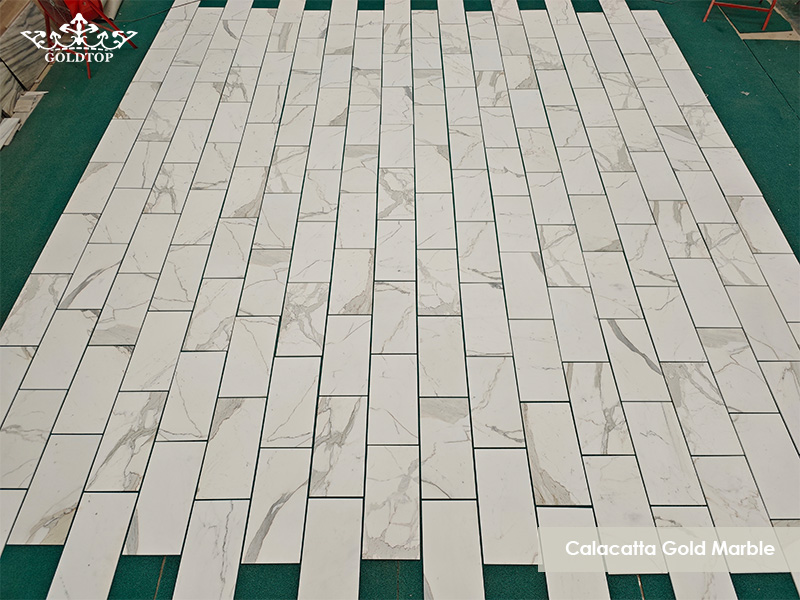
 

Calacatta Gold Marble


Popular Marble Bookmatch Materials

In real projects, the following marble bookmatch materials are highly sought after:

● White Marble Bookmatch

★ calacatta gold marble bookmatch

★ statuario marble bookmatch

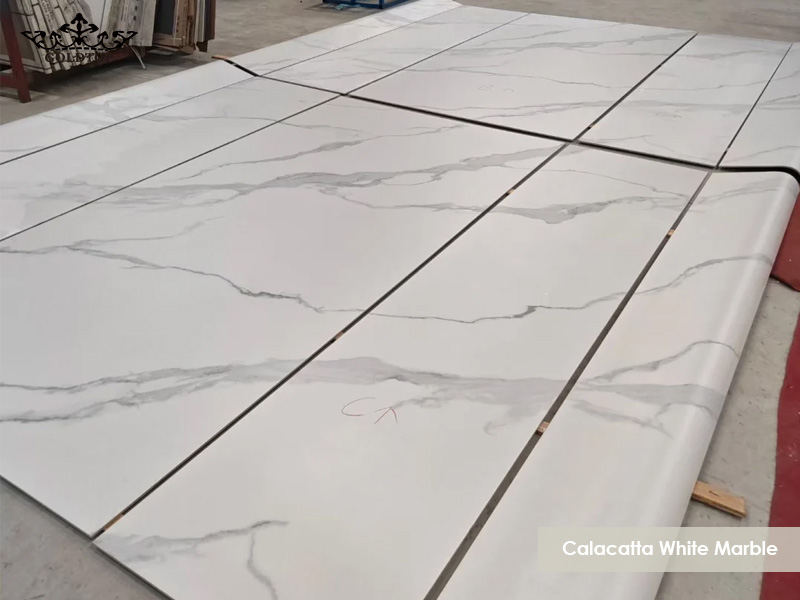
★ calacatta white bookmatch

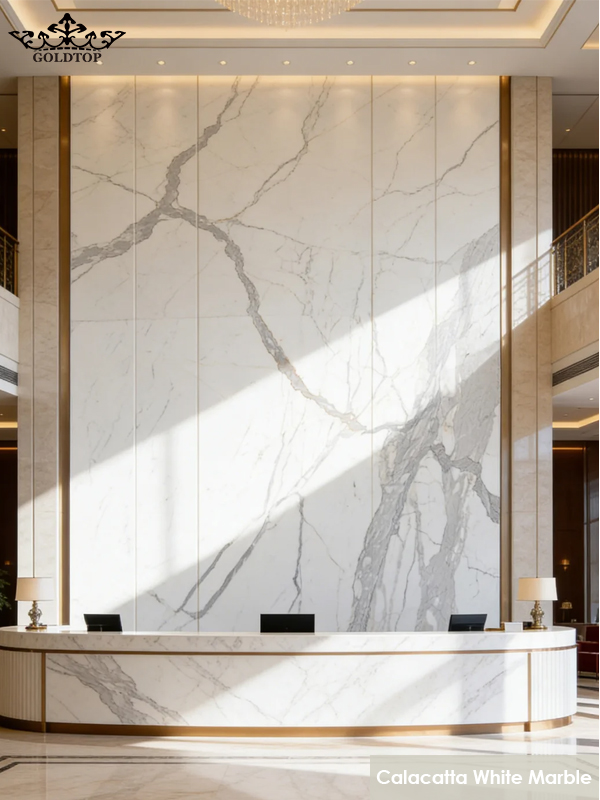
Calacatta White Marble Bookmatch calacatta white marble

Clean and elegant, ideal for modern and luxury interiors


● Premium Veining 

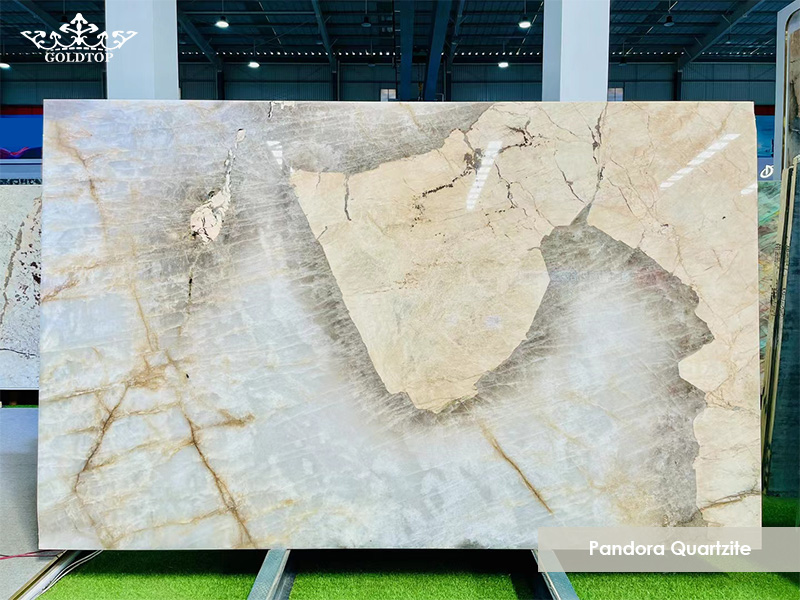
★ Cloudy Wave Marble

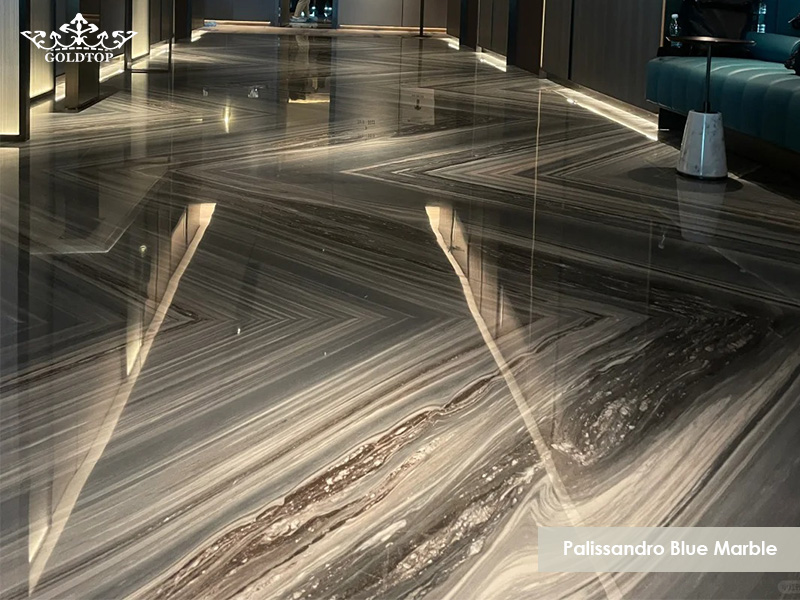
★ Palissandro Blue Marble

★ Pandora Quartzite
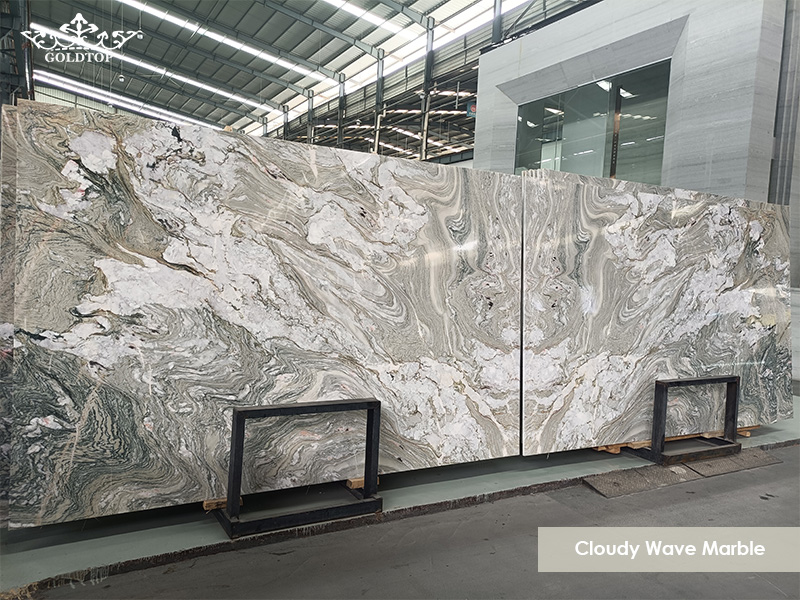
Cloudy Wave Marble Book Matching Palissandro Blue Marble Book matching

Bold veining with strong visual impact, perfect for high-end residential and hospitality projects


Black Marble Bookmatch

★ black book match marble

★ black calacatta bookmatch
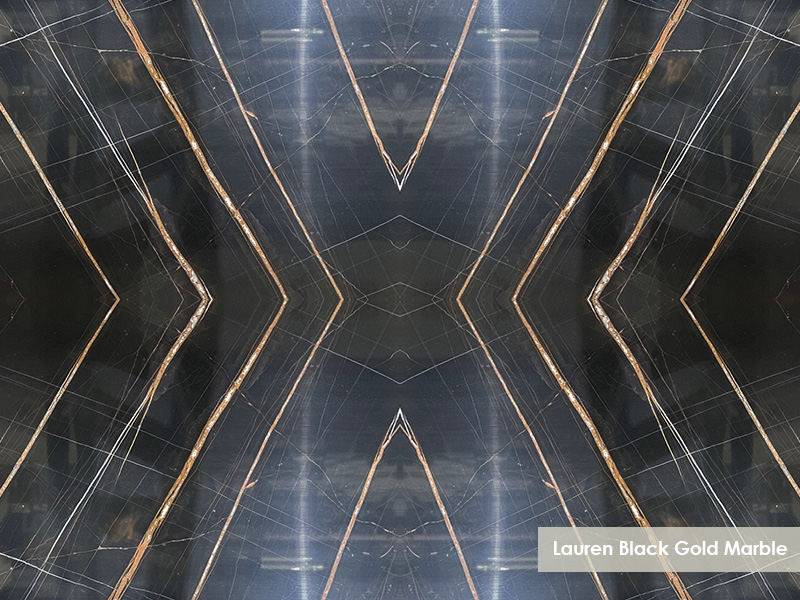
Lauren Black Gold Marble

High contrast and dramatic aesthetics


Applications of Bookmatched Marble

● Living room TV feature walls (bookmatch marble wall)

● Bathroom walls and floors (book matched marble bathroom)

● Hotel lobby statement walls

● Commercial art walls

● Flooring patterns (book match marble tiles)

With thoughtful design, stone can be elevated from a building material to a true work of art.


Bookmatched Marble Cost

Many clients are concerned about bookmatched marble cost, which is typically higher than standard installations due to:

● Selection of continuous veined raw blocks

● Higher material wastage during cutting

● Increased layout and fabrication complexity

● More demanding installation requirements

In general, bookmatching can cost 20%–50% more than conventional installation, depending on the material and design complexity.


FAQ

1. Is book matched marble expensive?

Yes, bookmatched marble cost is usually higher due to material selection, cutting precision, and installation complexity.


2. How to book match marble?

The process includes:

● Selecting continuous marble blocks

● Cutting slabs in sequence

● Mirroring slabs during layout

● Careful installation to align veins perfectly


3. What is the difference between slip match and book match marble?

Book match: mirrored symmetry with strong visual impact

Slip match: slabs are aligned in sequence without mirroring, maintaining continuity but not symmetry


Conclusion

From bookmatched marble tiles to full bookmatched marble wall installations, marble bookmatching is not just a technique—it is a reinterpretation of nature’s beauty.

When a slab is “opened” the right way, it becomes a masterpiece.
 

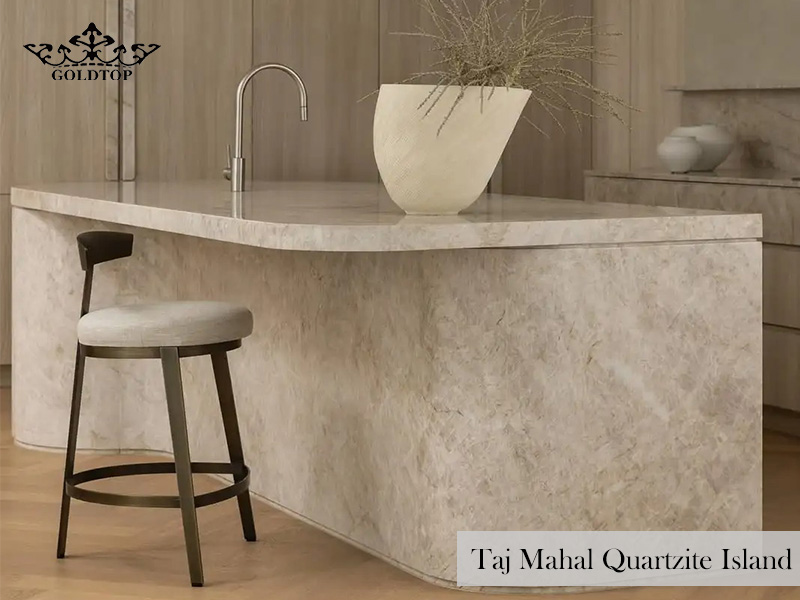
Taj Mahal Quartzite Island

When people think about an open kitchen, the kitchen island is often the first feature that comes to mind.

More than just a worktop, a kitchen island has become the social center of modern living — a space for cooking, dining, storage, working, gathering, and everyday interaction.

As a result, stone kitchen islands are now widely used in luxury homes, villas, apartment projects, and hospitality-style residences. Materials such as natural marble, quartz, and quartzite bring a level of texture, visual impact, and sophistication that other countertop materials often cannot achieve.

Of course, not every kitchen is suitable for an island. A well-designed island should balance layout, circulation, functionality, material selection, and real-life usage habits.

In this article, we’ll look at kitchen island dimensions, common layouts, material considerations, and real project applications to help you design a functional and visually balanced stone island.

Why Are Stone Kitchen Islands So Popular?

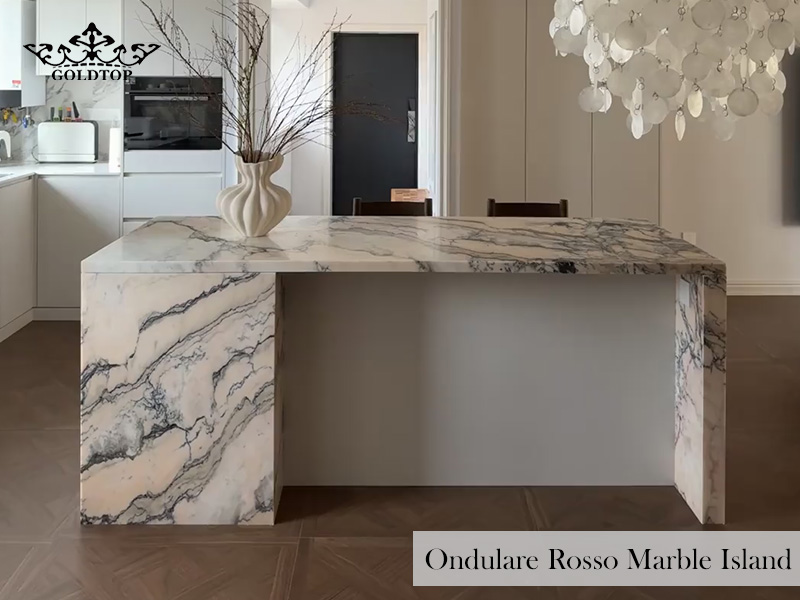
Ondulare Rosso Marble island

Traditional kitchens focus mainly on functionality, while modern open kitchens place greater emphasis on spatial experience.

In many contemporary homes, the kitchen is no longer just a cooking area — it has become a shared living space. The island naturally creates more possibilities within that environment.

Common functions of a kitchen island include:

● Food preparation and cooking

● Casual dining and bar seating

● Social interaction

● Additional storage

● Dining table integration

● A visual centerpiece for the kitchen

Compared with standard countertop materials, stone surfaces create a stronger sense of texture, scale, and luxury.

For example:

● Marble highlights natural veining and artistic character

● Quartz offers durability and low maintenance

● Quartzite combines natural texture with strong performance

In many high-end projects, a large-format stone island becomes the focal point of the entire kitchen space.

Before Designing an Island, Check the Available Space

Although kitchen islands are highly desirable, they are not suitable for every layout.

In smaller kitchens, forcing an island into the space can create issues such as:

● Restricted circulation

● Cabinet doors that cannot open fully

● Limited walking space

● A crowded visual effect

In general:

● Homes over 100㎡ are more suitable for island layouts

● Open kitchens work best with islands

● A circulation space of around 90cm is recommended

If the kitchen is compact, a peninsula layout is often a more practical solution.

Simply put:

A kitchen island should improve the space, not make it feel cramped.

Recommended Kitchen Island Dimensions

The size of an island directly affects both usability and comfort.

1. Standard Kitchen Island Dimensions

Item Recommended Size
Countertop Width ≥50cm
Island Height 85cm–95cm
Distance to Cabinets ≥75cm
Comfortable Walkway Around 90cm
Side Clearance ≥75cm


A 90cm walkway generally provides a more comfortable experience, especially in kitchens used by multiple people.

2. Island + Dining Table Layout Dimensions

Integrated island dining tables have become increasingly popular in modern residential projects.

This design creates a stronger connection between the kitchen and living space while improving functionality.

Recommended dimensions:

Item Recommended Size
Island Length 1.5m–2m
Minimum Length At least 1.3m
Island Width 80cm–90cm
Recommended Width 90cm+
Island Height 93cm
Dining Table Height 75cm
Height Difference Around 18cm


The split-level design improves both aesthetics and practicality, while also allowing hidden outlets and functional details to be integrated more naturally.

Additional recommendations:

● Bar stool seat height: around 65cm

● Recessed seating depth: around 20cm

● Toe kick height: around 10cm

These details can significantly improve daily comfort and usability.

Common Kitchen Island Layout Types

1. Freestanding Island (Most Common)

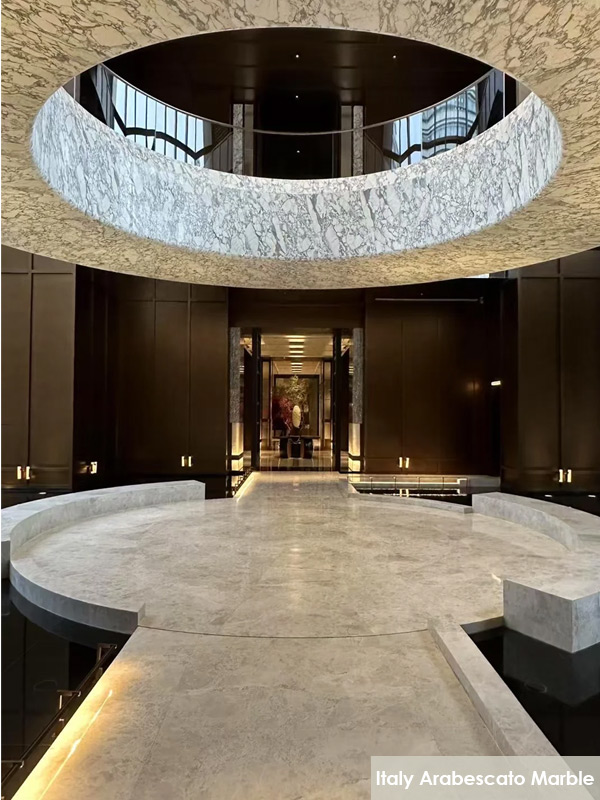
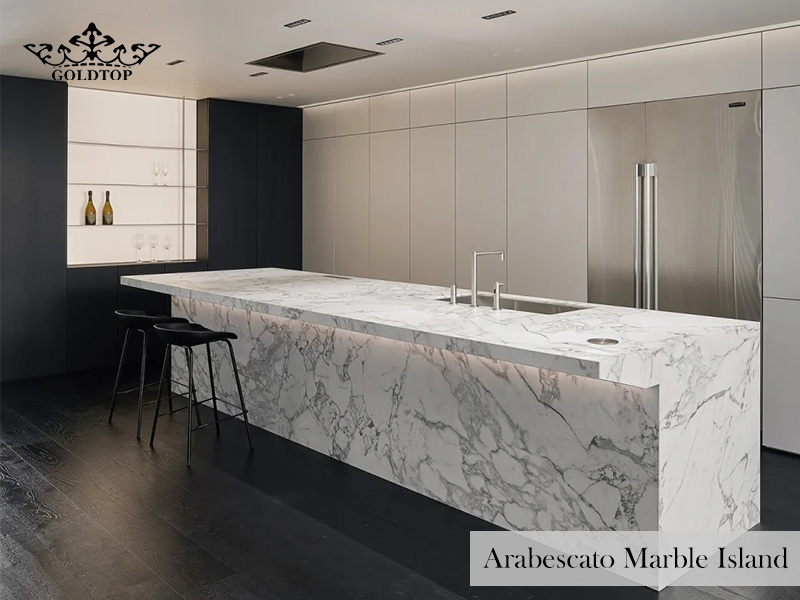
Arabescato Marble freestanding Island

This is the classic island layout.

The island is separated from the main cabinetry, making it ideal for larger open kitchens.

Advantages:

● Stronger sense of space

● More premium visual effect

● Flexible circulation

● Better for social interaction

【Insert Case Study: Marble Freestanding Island】

Large-format stone slabs are recommended to create a stronger visual centerpiece.
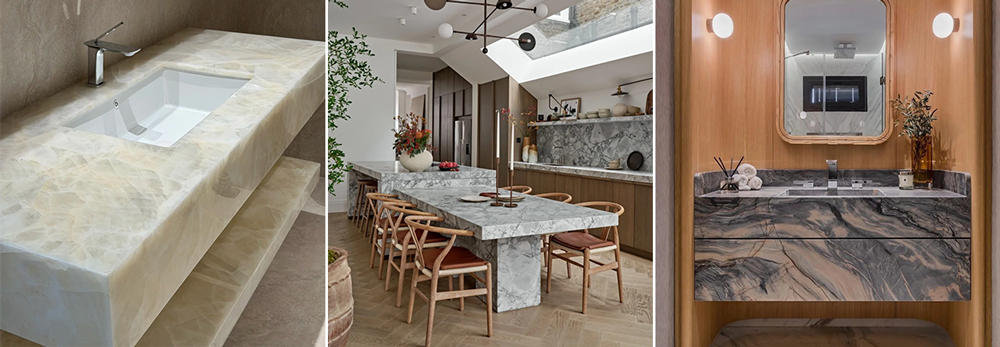
2. Extended Island with Dining Table

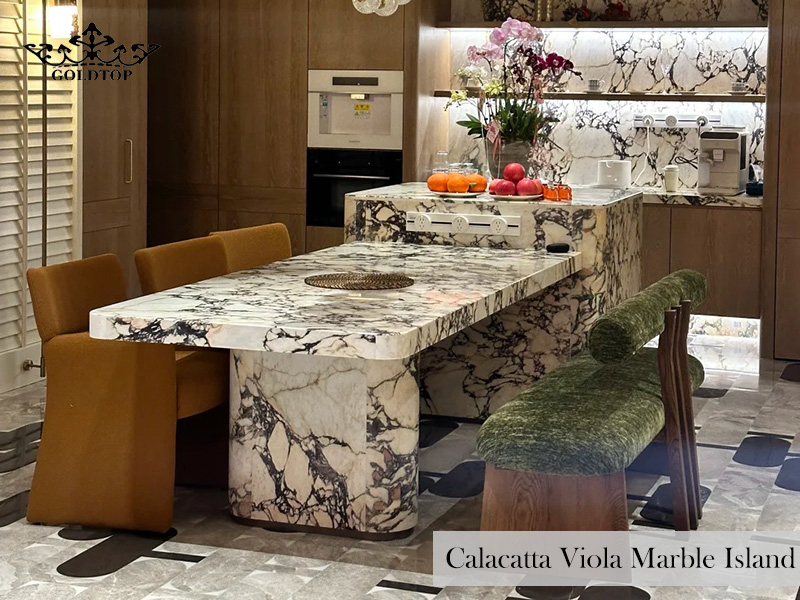
Calacatta Viola Marble extended Island with dining table

This layout combines the island with a dining table or suspended tabletop.

It has become a popular choice in modern residential design.

Advantages:

● Multi-functional use

● Better family interaction

● Improved space efficiency

【Insert Case Study: Stone Island with Wood Dining Table】

This type of design works especially well in high-end custom residential projects.

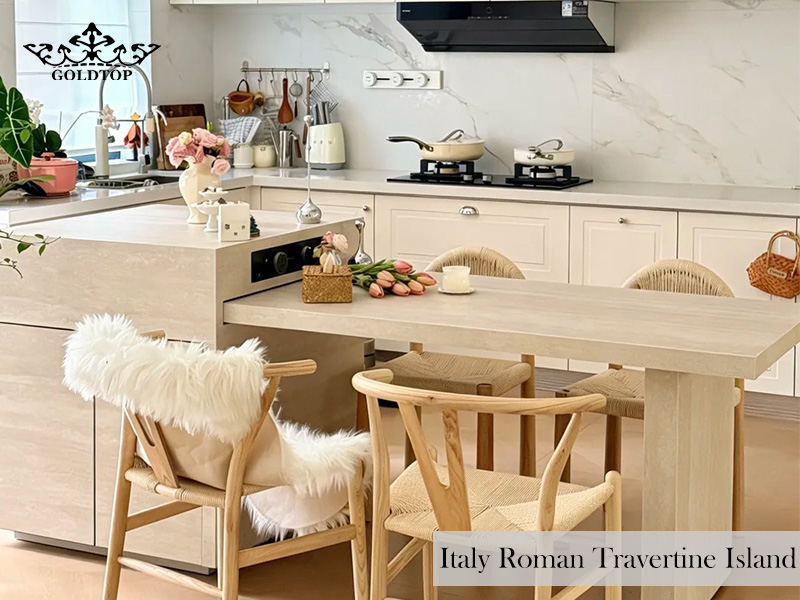
3. Peninsula Layout (Better for Smaller Kitchens)

Italy Roman Travertine Island

A peninsula is essentially an extension of the cabinetry.

It is suitable for:

● Small apartments

● Narrow kitchens

● Compact spaces that still require island functionality

Advantages:

● Space-saving

● Maintains interaction within the kitchen

● More efficient circulation

【Insert Case Study: Compact Peninsula Kitchen】

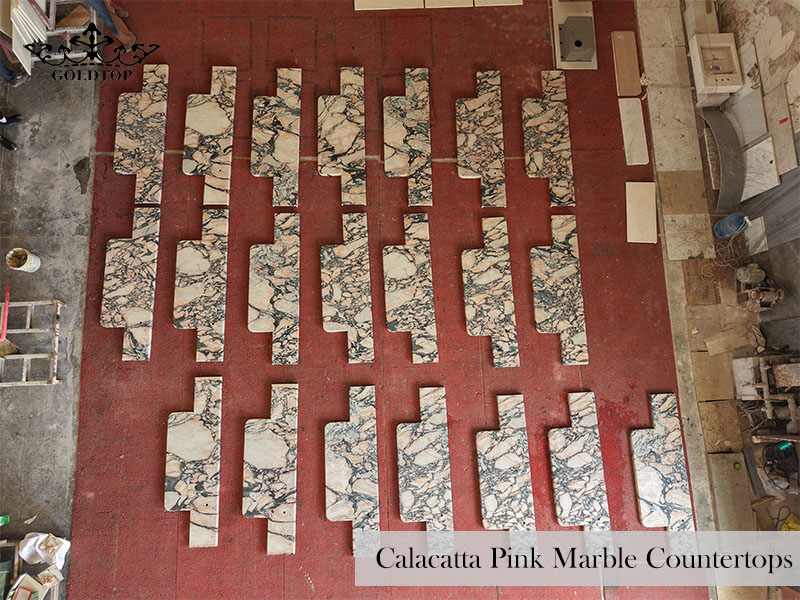
A High-Quality Island Depends on More Than the Material

Calacatta Pink Marble contertops

Many people assume that selecting a beautiful stone slab is enough.

In reality, a premium kitchen island also depends on:

● Slab selection

● Vein matching and layout planning

● Fabrication precision

● Edge detailing

● Installation quality

● Packaging and transportation protection

For overseas projects in particular, handling and transporting large-format island tops requires significant experience.
That is why experienced stone suppliers provide more than just raw materials. They also offer:

● Project coordination

● Countertop fabrication

● Cabinet integration support

● Export packaging solutions

Final Thoughts

A kitchen island is no longer just a countertop.

It has become part of a modern lifestyle.
A well-designed stone island can enhance both the appearance and functionality of a kitchen while creating a more refined living experience.
If you are looking for stone kitchen island solutions for residential or commercial projects, feel free to explore our:

Stone product collections

Stone project case studies

Stone catalog download page

Free sample request service


From material selection and slab detailing to fabrication and export packaging, we provide complete stone solutions for apartments, villas, hotels, and high-end residential projects.


keyboard_arrow_up