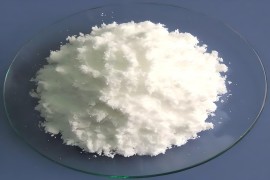
Are you fascinated by the vast potential of bismuth salt compounds? If you’re a passionate enthusiast seeking to harness the power of bismuth ingot 4N5 purity, look no further! In this blog post, we will provide you with valuable tips and tricks to help you make the most of this extraordinary material.

1. Understand the Importance of Purity

When it comes to bismuth ingot, purity is of utmost importance. Bismuth Ingot 4N5 Purity refers to a purity level of 99.995%, making it one of the highest quality bismuth available. This high purity level ensures better performance and greater reliability in various applications.

2. Handling and Storage

To maintain the quality and integrity of your bismuth ingot, proper handling and storage are essential. Follow these guidelines:

  • Always wear gloves when handling bismuth ingot to prevent contamination.

  • Store the ingot in a cool, dry place away from direct sunlight and sources of heat.

  • Use airtight containers to protect the purity of the material and prevent oxidation.

3. Melting Bismuth Ingot

Melting bismuth ingot requires careful attention to detail. Follow these steps to ensure a successful process:

  • Use a clean melting pot made of a non-reactive material such as stainless steel or ceramic.

  • Heat the pot gradually to avoid sudden temperature changes that could lead to cracking.

  • Stir the molten bismuth gently to even out the temperature and ensure uniform melting.

  • Be cautious, as molten bismuth is extremely hot, and contact can cause severe burns.

4. Explore Bismuth Salt Compound Applications

Bismuth salt compounds offer a wide range of exciting applications, including:

  • Pharmaceuticals: Bismuth compounds have antimicrobial properties and are used in medications for treating stomach ulcers and gastrointestinal disorders.

  • Cosmetics: Bismuth oxychloride is a common ingredient in cosmetics, providing a pearlescent and reflective effect.

  • Electronics: Bismuth compounds are used in the manufacturing of superconductors, thermoelectric devices, and semiconductors.

5. Experiment with Bismuth Salt Compounds

Don’t be afraid to experiment with different bismuth salt compounds and explore their properties. Here are a few suggestions:

  • Striking Crystal Formations: Recrystallize bismuth nitrate or bismuth subnitrate to create stunning crystal formations.

  • Colorful Oxides: Try heating bismuth subcarbonate or bismuth trioxide to observe their vibrant color changes.

  • Rainbow Patina: Apply a mixture of acids to bismuth metal, creating a beautiful, iridescent patina.

Conclusion

As a passionate bismuth salt compounds enthusiast, the high purity and versatility of bismuth ingot 4N5 purity will undoubtedly elevate your projects and experiments. Remember to prioritize purity, handle and store your ingot correctly, and unleash your creativity through various applications and experiments. Enjoy exploring the fascinating world of bismuth salt compounds and let your imagination run wild!

Samarium(III) Oxide, commonly known as Sm2O3, is a fascinating compound with a wide range of applications. With its exceptional properties, it has emerged as a crucial material in various industries. In this article, we will explore the incredible world of Samarium(III) Oxide and its nanoparticle form, highlighting its significance and potential uses.

Sm2O3 Powder: A Versatile Powerhouse

Samarium(III) Oxide powder, also referred to as Sm2O3 powder, is renowned for its versatility and exceptional quality. With a chemical formula of Sm2O3 and a CAS number of 12060-58-1, this fine powder possesses remarkable properties that make it indispensable in several technological advancements.

One of the key characteristics of Sm2O3 Powder is its high purity level. With a purity of 99.9%, it ensures the reliability and consistency needed in various industries. This premium grade powder is carefully manufactured to meet stringent quality standards, allowing for superior performance in different applications.

Unveiling the Potential of Samarium(III) Oxide Nanoparticles

Samarium(III) Oxide nanoparticles, derived from Sm2O3 Powder, take the versatility of this compound to a whole new level. With their small particle size and enlarged surface area, Sm2O3 nanoparticles exhibit unique properties and enhanced reactivity.

These nanoparticles find extensive use in catalysts, fuel cells, and optical devices. They are also employed in the production of high-performance ceramics, magnets, and phosphors. With Sm2O3 nanoparticles playing a vital role in various cutting-edge technologies, their significance cannot be understated.

Harnessing the Power of Samarium(III) Oxide

Samarium(III) Oxide, in both powder and nanoparticle forms, offers an array of applications across multiple industries. Let’s delve into a few notable uses of this remarkable compound:

1. Ceramic Industry

Samarium(III) Oxide finds application in producing high-quality ceramics due to its excellent refractive properties. This compound acts as a dopant in ceramic materials, imparting desirable qualities such as enhanced conductivity, improved coloration, and increased strength.

2. Electronics and Optics

In the field of electronics, Sm2O3 Powder is utilized as a key component in capacitors and resistors. Its unique electrical properties contribute to the efficient operation of electronic devices. Moreover, in optics, Sm2O3 nanoparticles facilitate the production of innovative optical devices, including lasers and solid-state lighting.

3. Magnetic Materials

Due to the strong magnetic properties of Sm2O3 Powder, it serves as a crucial ingredient in the manufacturing of high-performance magnets. These magnets find applications in fields such as aerospace, automotive, and renewable energy, contributing to efficient machinery, motors, and generators.

In conclusion, Samarium(III) Oxide, in its various forms, proves to be a powerhouse of possibilities. Whether in the form of Sm2O3 powder or its nanoparticle counterpart, this compound showcases its versatility and exceptional properties across a range of industries. With continued research and development, the potential of Samarium(III) Oxide is set to grow, unlocking new frontiers of innovation and application.

Cerium carbonate is an inorganic compound produced by reacting cerium oxide with carbonate. It possesses excellent stability and chemical inertness and is extensively utilized in various sectors such as nuclear energy, catalysts, pigments, glass, etc. According to market research institutions' data, the global cerium carbonate market reached $2.4 billion in 2019 and is projected to reach $3.4 billion by 2024. There are three primary production methods for cerium carbonate: chemical, physical, and biological. Among these methods, the chemical method is predominantly employed due to its relatively low production costs; however, it also poses significant environmental pollution challenges. The cerium carbonate industry exhibits vast development prospects and potential but must also confront technological advancements and environmental protection challenges. UrbanMines Tech. Co., Ltd., a leading enterprise in China specializing in research & development as well as production & sales of cerium carbonate products aims to promote sustainable industry growth through intelligent prioritization of environmental protection practices while implementing high-efficiency measures intelligently. The UrbanMines’ R&D team has compiled this article to respond to our customer's questions and concerns.


1.What is cerium carbonate used for?  What are the applications of cerium carbonate?


Cerium carbonate is a compound composed of cerium and carbonate, primarily utilized in catalytic materials, luminescent materials, polishing materials, and chemical reagents. Its specific application areas include:

(1) Rare earth luminescent materials: High-purity cerium carbonate serves as a crucial raw material for preparing rare earth luminescent materials. These luminescent materials find extensive usage in lighting, display, and other fields, providing essential support for the advancement of the modern electronic industry.

(2) Automobile engine exhaust purifiers: Cerium carbonate is employed in manufacturing automobile exhaust purification catalysts that effectively reduce pollutant emissions from vehicle exhausts and play a significant role in improving air quality.

(3) Polishing materials: By acting as an additive in polishing compounds, cerium carbonate enhances the brightness and smoothness of various substances.

(4) Colored engineering plastics: When used as a coloring agent, cerium carbonate imparts specific colors and properties to engineering plastics.

(5) Chemical Catalysts: Cerium carbonate finds wide-ranging applications as a chemical catalyst by enhancing catalyst activity and selectivity while promoting chemical reactions.

(6) Chemical reagents and medical applications: In addition to its use as a chemical reagent, cerium carbonate has demonstrated its value in medical fields such as burn wound treatment.

(7) Cemented carbide additives: The addition of cerium carbonate to cemented carbide alloys improves their hardness and wear resistance capabilities.

(8) Ceramic Industry: The ceramic industry utilizes cerium carbonate as an additive to enhance the performance characteristics and appearance qualities of ceramics.

 In summary, due to its unique properties and a broad range of applications across various industries, cerium carbonates play an indispe.


2. What is the color of cerium carbonate?


The color of cerium carbonate is white, but its purity may slightly affect the specific color, resulting in a slight yellowish tint.


3. What are 3 common uses of cerium?


Cerium has three common applications:

(1) It is utilized as a co-catalyst in automobile exhaust purification catalysts to maintain the oxygen storage function, enhance catalyst performance, and reduce the usage of precious metals. This catalyst has been widely adopted in automobiles, effectively mitigating pollution from vehicle exhaust emissions to the environment.

(2) It serves as an additive in optical glass to absorb ultraviolet and infrared rays. It finds extensive use in automotive glass, providing protection against UV rays and reducing car interior temperature, thereby saving electricity for air conditioning purposes. Since 1997, cerium oxide has been incorporated into all Japanese automotive glass and is also extensively employed in the United States.

(3) Cerium can be added as an additive to NdFeB permanent magnet materials to enhance their magnetic properties and stability. These materials are widely applied in electronics and electrical machinery such as motors and generators, improving equipment efficiency and performance.


4. What does cerium do to the body?


The effects of cerium on the body primarily involve hepatotoxicity and osteotoxicity, as well as potential impacts on the optic nervous system. Cerium and its compounds are detrimental to the human epidermis and optic nervous system, with even minimal inhalation posing a risk of disability or life-threatening conditions. Cerium oxide is toxic to the human body, causing harm to the liver and bones. In daily life, it is crucial to take proper precautions and avoid inhaling chemicals.

Specifically, cerium oxide can reduce prothrombin content rendering it inactive; inhibit thrombin generation; precipitate fibrinogen; and catalyze phosphate compound decomposition. Prolonged exposure to items with excessive rare earth content can result in hepatic and skeletal damage.

Additionally, polishing powder containing cerium oxide or other substances can directly enter the lungs through respiratory tract inhalation leading to lung deposition potentially resulting in silicosis. Although radioactive cerium has a low overall absorption rate in the body, infants have a relatively high fraction of 144Ce absorption in their gastrointestinal tracts. Radioactive cerium primarily accumulates in the liver and bones over time.


5. Is cerium carbonate soluble in water?


Cerium carbonate is insoluble in water but soluble in acidic solutions. It is a stable compound that does not change when exposed to air but turns black under ultraviolet light.


6.Is cerium hard or soft?


Cerium is a soft, silvery-white rare earth metal with high chemical reactivity and a malleable texture that can be cut with a knife.

The physical properties of cerium also support its soft nature. Cerium has a melting point of 795°C, a boiling point of 3443°C, and a density of 6.67 g/mL. Additionally, it undergoes color changes when exposed to air. These properties indicate that cerium is indeed a soft and ductile metal.

  • #
  • #
  • 99.999% Cerium Carbonate


7. Can cerium oxidise water?


Cerium is capable of oxidizing water due to its chemical reactivity. It reacts slowly with cold water and rapidly with hot water, resulting in the formation of cerium hydroxide and hydrogen gas. The rate of this reaction increases in hot water compared to cold water.


8. Is cerium rare?


Yes, cerium is considered a rare element as it constitutes approximately 0.0046% of the earth's crust, making it one of the most abundant among the rare earth elements.


9. Is cerium a solid liquid or gas?


Cerium exists as a solid at room temperature and pressure conditions. It appears as a silver-grey reactive metal that possesses ductility and is softer than iron. Although it can be transformed into liquid under heating conditions, at normal circumstances (room temperature and pressure), it remains in its solid state due to its melting point of 795°C and boiling point of 3443°C.


10. What does cerium look like?


‌‌‌Cerium exhibits the appearance of a silver-grey reactive metal belonging to the group of rare earth elements (REEs). Its chemical symbol is Ce while its atomic number is 58. It holds the distinction of being one of the most abundant REEs.Ceriu powder has high reactivity towards air causing spontaneous combustion, and also easily dissolves in acids. It serves as an excellent reducing agent primarily used for alloy production.

The physical properties include: density ranges from 6.7-6.9 depending on crystal structure; melting point stands at 799℃ while boiling point reaches3426℃. The name "cerium" originates from the English term "Ceres", which refers to an asteroid. The content percentage within Earth's crust amounts to approximately0.0046%, rendering it highly prevalent among REEs.

Ceriu mainly occurs in monazite, bastnaesite, and fission products derived from uranium-thorium plutonium. In industry, it finds wide applications such as alloy manufacturing catalyst utilization.
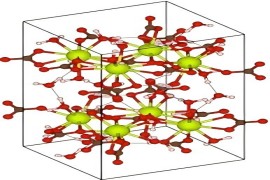
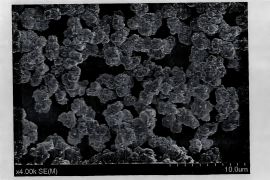
Are you intrigued by rare metal materials and compounds? Are you a hot products enthusiast, always on the lookout for the next big thing? Look no further than Caesium Chloride (CsCl) Powder 7647-17-8. This remarkable compound possesses unique features and benefits that make it a game-changer in various industries.

1. Unparalleled Purity and Stability

Caesium Chloride (CsCl) Powder 7647-17-8 is known for its exceptional purity. With a purity level of over 99%, this compound guarantees high performance and consistent results. Its stability ensures reliable performance, making it a top choice for scientific research, industrial applications, and more.

2. Versatile Applications

The versatility of Caesium Chloride (CsCl) Powder 7647-17-8 knows no bounds. From its use as a catalyst in organic synthesis to its applications in biochemistry and biophysics, this compound has a wide range of potential uses. Its unique properties and benefits make it an indispensable component in various industries, including pharmaceuticals, electronics, and energy.

3. Enhanced Optical Properties

One of the most captivating features of Caesium Chloride (CsCl) Powder 7647-17-8 is its impressive optical properties. It is transparent to a wide range of wavelengths, making it ideal for optical applications such as lenses and prisms. Its low refractive index and high transmittance ensure optical accuracy and efficiency, making it a sought-after material in the manufacturing of high-quality optics.

4. Revolutionary Energy Storage Solutions

In the pursuit of sustainable energy, Caesium Chloride (CsCl) Powder 7647-17-8 has emerged as an exceptional candidate for energy storage applications. Its ability to store and release energy efficiently makes it a reliable choice for advanced batteries, fuel cells, and supercapacitors. With its remarkable energy storage capabilities, Caesium Chloride (CsCl) Powder 7647-17-8 has the potential to revolutionize the energy industry.

5. Cutting-edge Research and Development

Caesium Chloride (CsCl) Powder 7647-17-8 plays a vital role in cutting-edge research and development projects. Its unique properties and stability make it a preferred compound for scientists and researchers exploring new frontiers. Whether it’s developing new pharmaceuticals, advancing nanotechnology, or researching quantum computing, this compound is the driving force behind countless breakthroughs.

6. Future Prospects

As technology continues to evolve, the demand for rare metal compounds like Caesium Chloride (CsCl) Powder 7647-17-8 is expected to soar. With its wide range of applications and numerous benefits, this compound presents exciting opportunities across various industries. The future prospects for Caesium Chloride (CsCl) Powder 7647-17-8 are promising, and investing in its potential can yield substantial returns.

In conclusion, Caesium Chloride (CsCl) Powder 7647-17-8 is a rare gem that offers unique features and benefits in the world of rare metal materials and compounds. Its incredible purity, versatility, and revolutionary properties make it invaluable in countless industries. This compound has the power to transform energy storage, advance scientific research, and shape the future of multiple fields. Embrace the power of Caesium Chloride (CsCl) Powder 7647-17-8 and unlock its limitless potential.

Beryllium, a lightweight and incredibly strong metal, has found its way into various industries due to its exceptional properties. In particular, beryllium beads or beryllium metal beads have gained significant attention for their versatility and high purity. These tiny, spherical wonders play a crucial role in magnetic and radiation window applications, paving the way for the advancement of cutting-edge technologies.

Unleashing the Potential of Beryllium Beads

The use of beryllium metal beads has revolutionized the fields of magnetism and radiation shielding. Due to their unique properties, they are highly sought after for various applications where stability, conductivity, and transparency are paramount.

Shaping the Future: Beryllium Metal Beads for Magnetic Applications

In the realm of magnets, beryllium metal beads offer unparalleled benefits. Their excellent thermal conductivity combined with high electrical resistivity makes them ideal for use as fillers in magnet assemblies. By incorporating beryllium beads into magnetic structures, engineers can enhance the overall performance of these systems. Moreover, the use of beryllium beads allows for improved cooling and reduces the risk of overheating, thereby increasing the lifespan and reliability of the magnets.

Protecting Against Radiation: Beryllium Metal Beads as Radiation Windows

Beryllium metal beads also find extensive use in radiation windows. These windows act as a protective barrier, allowing radiation to pass through while minimizing the impact on the surrounding environment. Thanks to its low atomic number and high tensile strength, beryllium is an ideal candidate for radiation windows. Beryllium beads, with their exceptional purity, ensure the transparency and efficiency needed for critical applications such as medical imaging and nuclear research.

The Quest for Purity: High Purity Beryllium Beads

In advanced technologies, the requirement for high purity materials becomes essential. To meet these demands, manufacturers have developed high purity beryllium beads with minimal impurities. This level of purity eliminates the risk of contamination and ensures optimal performance in sensitive applications. As a result, high purity beryllium beads have become the go-to choice for industries where the highest standards are a necessity.

Conclusion

Beryllium metal beads, with their exceptional properties and versatility, continue to shape the future of advanced technologies. Whether in magnetic assemblies or radiation windows, their unique characteristics make them indispensable. As the demand for precision and efficiency increases, beryllium beads will undoubtedly play an even more significant role in the development of innovative solutions. The journey of beryllium metal beads, driven by the pursuit of excellence, is poised to push the boundaries of what is possible in various industries.

Manganese dioxide (MnO2) 13113-13-9 is an exceptional rare metal material and manganese salt compound that offers a wide range of unique features and benefits. As a hot product in the industry, it serves as a valuable component with diverse applications. In this article, we will explore the remarkable qualities of MnO2 13113-13-9 and uncover why it has gained such popularity among rare metal materials and compound enthusiasts.

Enhanced Catalytic Properties:

One of the key features of MnO2 13113-13-9 is its exceptional catalytic properties. It is widely recognized for its ability to accelerate chemical reactions, making it highly sought after in various industrial processes. MnO2 13113-13-9 acts as an efficient catalyst and significantly enhances the performance of reactions, resulting in improved productivity and cost-effectiveness.

Excellent Stability and Durability:

When it comes to selecting materials for long-term use, stability and durability are crucial factors, and MnO2 13113-13-9 excels in both areas. It boasts excellent stability under extreme temperatures and harsh conditions, making it an ideal choice for applications that require high-performance materials. Additionally, its remarkable durability ensures longevity, reducing the need for frequent replacements and minimizing downtime in industrial processes.

Versatile Applications:

MnO2 13113-13-9 finds application in a wide range of industries due to its versatility. It is commonly used in the production of batteries, water treatment systems, pigments, ceramics, and various chemical processes. The compound’s unique properties make it an invaluable component for these applications, contributing to improved performance and efficiency.

Environmental Friendliness:

As the world embraces sustainable practices, finding eco-friendly materials has become paramount. MnO2 13113-13-9 satisfies this requirement as it is environmentally friendly. It offers a favorable alternative to hazardous substances commonly used in industrial processes, reducing the overall environmental impact. Moreover, its long lifespan and durability further contribute to sustainability as it reduces waste generation.

Cost-Effective Solution:

In addition to its remarkable features and eco-friendliness, MnO2 13113-13-9 is a cost-effective solution. Its enhanced catalytic properties, excellent stability, and long lifespan result in improved efficiency and reduced maintenance costs. By choosing MnO2 13113-13-9, businesses can optimize their processes while minimizing expenses, contributing to overall profitability.

Conclusion:

Manganese dioxide (MnO2 13113-13-9) is a rare metal material and manganese salt compound with exceptional properties. Its outstanding catalytic properties, stability, versatility, environmental friendliness, and cost-effectiveness make it a top choice for various industries. Whether it is used in batteries, water treatment systems, pigments, ceramics, or other applications, MnO2 13113-13-9 consistently delivers outstanding results. By incorporating this remarkable compound into their processes, businesses can achieve improved performance, sustainability, and profitability.

Success and failure are two sides of the same coin. They go hand in hand, and it is often said that failure is a stepping stone to success. But is it really possible to achieve success without experiencing failure along the way? Can we truly reach our goals without encountering obstacles and setbacks?

In our quest for success, we often idolize those who have achieved great things. We look up to entrepreneurs, athletes, and pioneers in their fields, marveling at their accomplishments. However, what we often fail to see is the immense effort, determination, and failures they encountered on their journey.

Failures, both big and small, serve as valuable lessons. They mold us, challenge us, and push us outside our comfort zones. Each failure brings an opportunity for growth and self-reflection. It forces us to reassess our methods, refine our strategies, and learn from our mistakes. Without failure, we remain stagnant and complacent, never truly reaching our full potential.

Failure also builds resilience and character. It teaches us how to persevere when faced with adversity. The path to success is seldom a straight line; it is a winding road filled with ups and downs. It is during the difficult moments, when we have fallen down, that we find the strength to get back up and keep going. Failure fuels our determination and ignites the fire within us to prove ourselves.

Moreover, failure humbles us. It reminds us that success is not guaranteed, and that we are fallible human beings. It prevents arrogance and keeps us grounded. When we experience failure, we gain empathy and understanding for others who are facing similar challenges. It teaches us to support and uplift one another instead of tearing each other down.

It is essential to reframe our perspective on failure. Instead of fearing it, we should embrace it as an integral part of the journey. Failure is not a sign of weakness; it is a stepping stone towards success. It is the necessary catalyst for growth and personal development.

That being said, it is important to note that failure alone does not guarantee success. It is how we respond to failure that truly matters. We must learn from our failures, adapt our approaches, and persevere with renewed determination. Failure should not discourage us, but rather inspire us to strive for greatness.

So, can we achieve success without failure? The answer is no. Failure is not our enemy; it is our greatest teacher. It shapes us, challenges us, and propels us forward. Success and failure are intertwined, and we must embrace both on our journey towards achieving our dreams.

Holmium Oxide, also known as Holmium(III) Oxide or Ho2O3, is a remarkable compound with a bright future in various industries. This inorganic chemical, with the CAS number 12055-62-8, boasts a purity level of 99.9%. Its common name, Holmia Powder, reflects its importance in scientific and technological advancements.

Unveiling the Properties

Holmium Oxide has captured the attention of researchers, engineers, and product developers due to its exceptional characteristics. One of its key features is its vivid light yellow color, which adds aesthetic value to various applications. This inorganic compound boasts high thermal stability, allowing it to withstand extreme temperatures without degradation.

Applications in the Technological Landscape

Holmia Powder’s unique properties make it highly sought after in the tech industry. Its high refractive index makes it an excellent material for manufacturing specialized optical lenses and filters. These components find applications in laser systems, spectrophotometers, and other scientific instruments, enabling precise measurements and analysis.

Moreover, Holmium Oxide serves as a dopant in optical fibers, enhancing their performance in telecommunications networks. Its ability to amplify specific signals in fiber-optic amplifiers revolutionizes long-distance data transmission, allowing faster and more reliable communication.

Holmium Oxide in Magnetic Materials

Holmium Oxide plays a crucial role in the development of advanced magnetic materials. Due to its unique electronic structure, it exhibits distinctive magnetic properties. As a result, it is widely used in neodymium iron boron (NdFeB) magnets, which are essential in various modern technologies.

These magnets find applications in motors, speakers, computer hard drives, and even medical devices like MRI machines. By incorporating Ho2O3 powder into the magnetic alloy, engineers can fine-tune the magnetic properties to suit specific requirements, leading to improved performance and efficiency.

Beyond Technological Applications

The significance of Holmium Oxide extends beyond just technological advancements. It has found application in nuclear reactors as a burnable poison, regulating the reactivity of the fuel and ensuring safe operation. Additionally, Holmia Powder is instrumental in the production of specialty glass and ceramics, contributing to the creation of aesthetically pleasing and durable products.

Conclusion

Holmium Oxide, with its versatility and exceptional properties, continues to captivate the scientific and industrial community. As we delve further into the intricacies of this compound, we uncover new possibilities and applications that shape our technological landscape. From high-tech optical components to advanced magnetic materials, Holmia Powder plays a vital role in driving progress and innovation across various domains.

Manganese salt compounds have long been valued for their diverse applications in various fields. Among these compounds, Manganese(II) Chloride Tetrahydrate (MnCl2 13446-34-9) stands out with its remarkable features and numerous benefits. In this article, we will explore the unique aspects of this chemical compound and delve into the advantages it offers to manganese salt compound enthusiasts.

Understanding Manganese(II) Chloride Tetrahydrate

Manganese(II) Chloride Tetrahydrate, with the molecular formula MnCl2 · 4H2O, is a hydrate form of manganese chloride. This compound is a pink crystalline solid that has attracted immense interest due to its versatile properties. It is highly soluble in water, making it easily dispersible in various solutions and applications.

Catalyst and Chemical Synthesis

One of the significant benefits of Manganese(II) Chloride Tetrahydrate is its efficacy as a catalyst in chemical reactions. This compound plays a crucial role in redox reactions, organic synthesis, and the production of specialty chemicals. Its ability to act as an efficient catalyst in a wide range of reactions makes it a valuable tool for chemists and researchers.

Electrochemistry and Battery Applications

Manganese(II) Chloride Tetrahydrate has found extensive use in the field of electrochemistry, particularly in battery applications. Due to its unique electrochemical properties, it has been employed in the development of rechargeable batteries, such as lithium-ion batteries. The compound’s stability, conductivity, and reversible redox reactions facilitate efficient energy storage and power transmission, making it an essential component of modern battery technologies.

Agricultural and Nutritional Uses

Another noteworthy benefit of Manganese(II) Chloride Tetrahydrate is its role in agriculture and nutrition. Manganese is an essential micronutrient for plants, contributing to crucial physiological processes and aiding in the synthesis of important enzymes. As such, Manganese(II) Chloride Tetrahydrate is utilized in the formulation of fertilizers and plant growth supplements to ensure optimal crop health and productivity.

Industrial Applications

The versatility of Manganese(II) Chloride Tetrahydrate extends to various industrial applications as well. It is used in the production of dyes, pigments, and paints, providing vivid and long-lasting coloration. Additionally, the compound is employed in the manufacturing of ceramics and glazes, contributing to their resilience and aesthetic appeal.

Safety and Handling

In any discussion regarding chemical compounds, safety is of paramount importance. Manganese(II) Chloride Tetrahydrate should be handled with care and in compliance with appropriate safety procedures. It is crucial to wear protective equipment, such as gloves and goggles, and work in a well-ventilated area to minimize potential risks associated with handling chemicals.

Conclusion

Manganese(II) Chloride Tetrahydrate (MnCl2 13446-34-9) offers a myriad of unique features and benefits that make it a valuable compound for enthusiasts of manganese salt compounds. Its versatility as a catalyst, its significance in electrochemistry and batteries, its agricultural and nutritional uses, and its industrial applications all contribute to its indispensability. However, it is essential to handle this compound responsibly and ensure adherence to safety protocols. Embrace the potential unlocked by Manganese(II) Chloride Tetrahydrate and explore the boundless possibilities it offers in various fields.

Meditation has been gaining popularity in recent years, but what exactly is it and how can it benefit us?

The Origins of Meditation: Where Did it Come From?

Discover the ancient roots of meditation and how it has evolved over time.

Types of Meditation: Which Practice Is Right for You?

Explore the various forms of meditation, from mindful breathing to guided imagery, and find the perfect fit for your needs.

Unlocking the Benefits: How Does Meditation Improve our Well-being?

Learn about the numerous advantages of meditation, such as stress reduction, improved focus, and enhanced mental clarity.

The Science Behind Meditation: What Does Research Say?

Uncover the scientific evidence supporting the positive impact of meditation on our physical and mental health.

Overcoming Common Challenges: How to Establish a Consistent Meditation Practice?

Get valuable tips and strategies to overcome obstacles and create a sustainable meditation routine.

Meditation and Mindfulness: What’s the Connection?

Understand the relationship between meditation and mindfulness and how they complement each other in achieving inner peace.

Meditation for Beginners: Where to Start?

Find simple yet effective techniques and resources to kick-start your meditation journey.

Integrating Meditation into Daily Life: How to Maintain Mindfulness Off the Cushion?

Discover practical ways to incorporate meditation into your everyday activities for continuous mindfulness and self-awareness.

The Future of Meditation: What Lies Ahead?

Explore the potential advancements and innovations in the field of meditation, and envision how it may shape our future.

Meditation has the power to transform our lives, promoting overall well-being and inner harmony. Are you ready to embark on a journey of self-discovery and tranquility? Join the movement and experience the incredible benefits of meditation today.

keyboard_arrow_up